
































The burial of Charles Kwadwo Fosu, popularly known as Daddy Lumba, should have been a moment of collective mourning, cultural dignity, and national reflection.


As one of Ghana’s most celebrated musical icons, Daddy Lumba deserved a farewell anchored firmly in Akan tradition and the values that guide funerals of such stature.
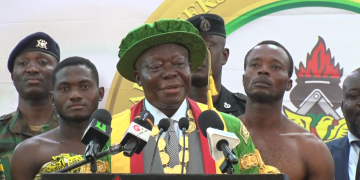
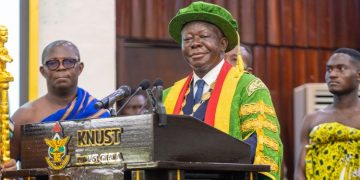
Unfortunately, events at the burial raised troubling questions about leadership, judgment, and respect for custom—particularly the conduct of the Kofi Owusi Abusuapanin, the (family head).
Within Akan culture, the Abusuapanin occupies a position of moral authority and restraint. At funerals, especially those of prominent family members, the role demands solemnity, wisdom, and a commitment to preserving dignity. It is not a platform for personal visibility or theatrics. Yet, at Daddy Lumba’s burial, that cultural expectation appeared to have been set aside.
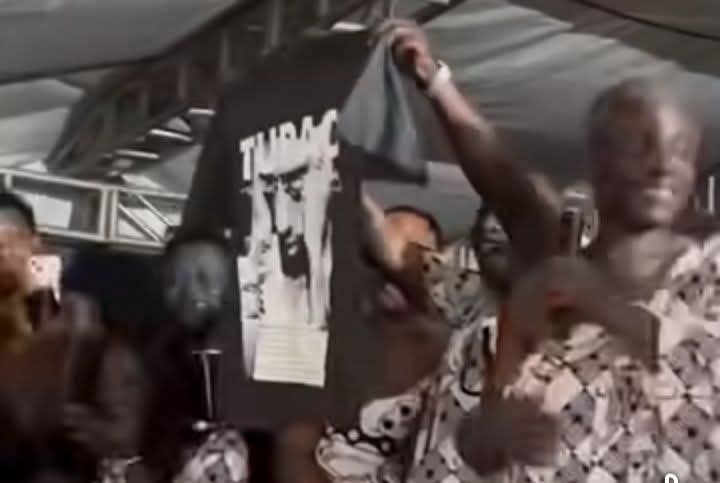
The decision by the Abusuapanin to publicly promote and embrace a nickname reportedly associated with him during the funeral rites struck many observers as deeply inappropriate. A funeral is not an arena for self-branding or personal elevation. It is a sacred space reserved for honouring the dead, comforting the bereaved, and reaffirming communal values. This deviation from tradition diminished the solemnity of the occasion and distracted from the purpose of the rites.
Daddy Lumba was not merely a private individual; he was a national figure whose music shaped generations and whose influence transcended social and cultural boundaries. His burial, therefore, carried symbolic weight—not only for his family, but for the wider Ghanaian public. Actions that appeared flippant or self-centred at such a moment inevitably attracted criticism and disappointment.
Equally concerning was the apparent silence or acquiescence of individuals expected to offer counsel and restraint.
Collins Owusu Amankwaah, fomer MP for Manhyia North an educated and respected figure present at the funeral, was widely expected to caution against conduct that undermined the dignity of the ceremony. Unfortunately he was the real Jama leader an architect behind all the unfortunate development at the funeral.
His apparent tolerance of the situation only deepened public concern and reinforced perceptions of poor leadership at a critical moment.
In retrospect, these developments lend credibility to earlier calls by Daddy Lumba’s sister for the maternal family to take greater control of the funeral arrangements.
What may have once seemed like internal family disagreement now appears rooted in legitimate concerns about cultural propriety, leadership, and respect for tradition.
Funerals in Akan society are not merely events; they are cultural statements. They reflect who we are, what we value, and how we honour those who came before us.
When tradition is sidelined especially at the burial of a national icon it sends an unsettling message about the erosion of values and the failure of leadership.
Daddy Lumba’s legacy remains intact, written indelibly in Ghana’s musical history.
Yet his burial serves as a cautionary tale: that even in death, dignity can be compromised when those entrusted with responsibility forget the weight of culture, the demands of tradition, and the solemnity of the moment.
A legend deserved better and the nation is right to ask why that standard was not met.
Source :www.kumasimail.com