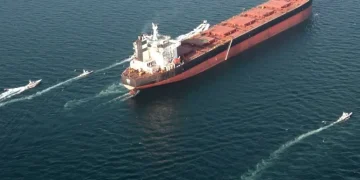


































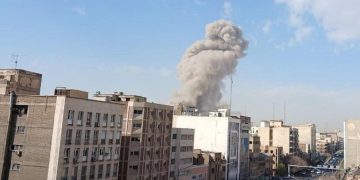


The World Bank Group says the ongoing conflict in the Middle East is already affecting commodity prices, global shipping and economic stability in several emerging market countries.


In a statement issued on the situation, the institution said a number of its client countries had reached out for support as the conflict begins to disrupt logistics and raise the cost of key goods. It said it is working closely with governments, the private sector and regional partners to help countries manage the economic impact.
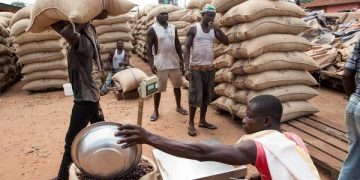
According to the World Bank Group, disruptions to shipping routes are increasing costs while supply risks are spreading beyond energy to fertilisers and other essential agricultural inputs. The statement said crude oil prices rose by nearly 40 percent between February and March, while the cost of liquefied natural gas shipments to Asia increased by almost two-thirds. Prices of nitrogen-based fertilisers also rose by nearly 50 percent in March.
The institution said it is closely monitoring developments in global markets and is in direct contact with the most affected countries to assess conditions on the ground.
The World Bank Group added that it is preparing a large-scale response that will combine immediate financial support with policy assistance and private sector financing to help countries protect jobs and economic growth. It said support measures would include emergency financing, trade finance, working capital for businesses and assistance for governments and households.
However, the organisation cautioned that the situation remains uncertain and warned that prolonged conflict or damage to key infrastructure could further worsen economic conditions for affected countries.
The World Bank Group said it remains committed to helping vulnerable economies cope with the crisis and safeguard recent economic gains.