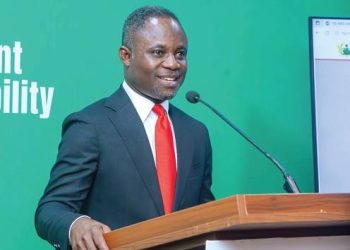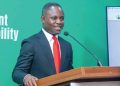


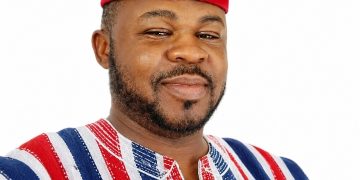





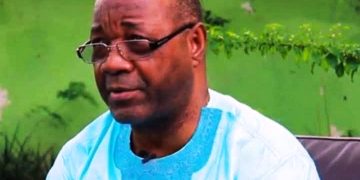



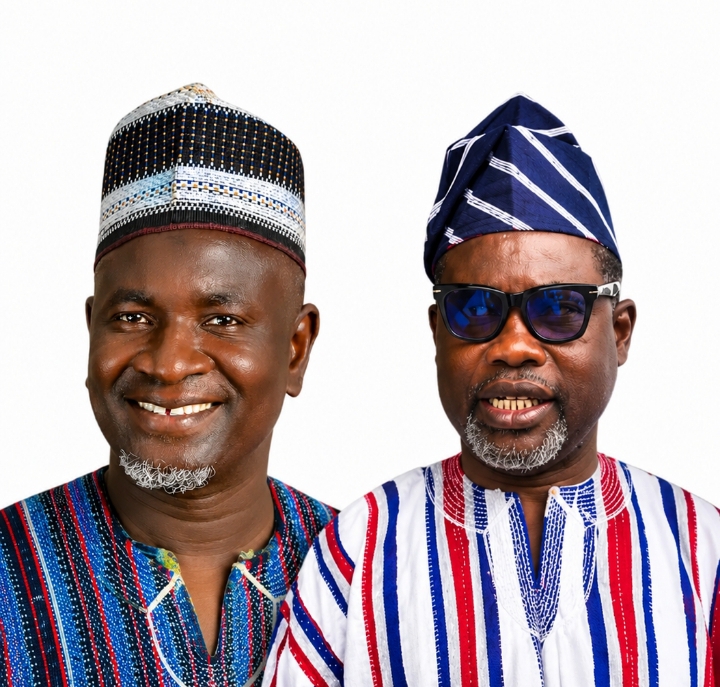
The battle for the Savannah Regional Chairmanship of the opposition New Patriotic Party (NPP) has officially begun, with incumbent chairman Alhaji Iddrisu Sulemana, popularly known as Prof. Kalamonia, facing a formidable challenge from former Managing Director of the Ghana Water Company Limited, Dr. Ing. Clifford Braimah, in what is shaping up to be a defining contest over the party’s future in the region.


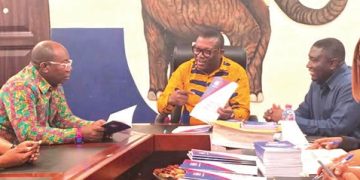
The two leading contenders filed their nominations at the NPP’s Savannah Regional Office in Damongo on Friday, each presenting delegates with a distinct roadmap for rebuilding the party following its disappointing performance in the 2024 general elections.
While Prof. Kalamonia is asking delegates to reward his record with another mandate, Dr. Braimah is making the case that the party needs experienced but fresh leadership to restore unity and recapture lost parliamentary seats ahead of the 2028 elections.
For the incumbent, the campaign is built on continuity, grassroots mobilisation and party cohesion.
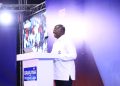
Addressing journalists after filing his nomination, Prof. Kalamonia disclosed that his decision to seek re-election followed persistent appeals from polling station executives, constituency officers, youth groups, religious leaders and traditional authorities across the region.
“Unity is the key to victory,” he declared, urging party faithful to close ranks and work together to reclaim the party’s electoral fortunes.
The incumbent defended his stewardship by pointing to what he described as measurable progress in the party’s parliamentary fortunes during his tenure. He recalled that the NPP increased its parliamentary representation in the Savannah Region from one seat to three before the 2024 elections.
Although the party eventually lost two of those seats during what he described as a nationwide “political tsunami,” Prof. Kalamonia maintained that retaining the Damongo Constituency in President John Dramani Mahama’s home region demonstrated the strength of the party’s organisation under his leadership.
“That tells you the level of work we did here,” he said, noting that the NPP failed to win a single parliamentary seat in four of Ghana’s sixteen regions, unlike Savannah which still maintained a foothold in Parliament.
Beyond electoral performance, Prof. Kalamonia cited his efforts to strengthen the party’s communication and research directorates, empower the youth wing and deepen grassroots engagement.
He also highlighted what he described as his contribution to regional development, including facilitating the establishment of a technical and vocational institution and the Savannah College of Education.
As part of his re-election campaign, he said he had sought the blessings of the Wasipewura, the Chief Imam of Wasipe and other traditional and religious leaders within the Wasipe Traditional Area.
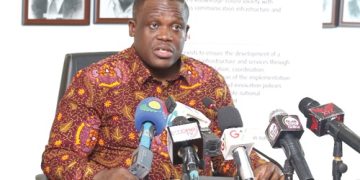
But Dr. Braimah believes the NPP cannot afford to rely on continuity alone.
The former Ghana Water Company boss argued that the party’s decline from three parliamentary seats to one reflects deeper organisational weaknesses that require decisive leadership and renewed internal cohesion.
He singled out divisions among constituency executives as one of the major obstacles confronting the party and pledged to reunite its rank and file if elected.
Dr. Braimah expressed confidence that all seven constituencies in the Savannah Region—Damongo, Salaga North, Salaga South, Daboya, Bole, Sawla and Yapei-Kusawgu—remain competitive for the NPP under the right leadership.
He argued that the region’s previous success in winning four parliamentary seats demonstrates that the electoral potential still exists.
Responding to suggestions that younger party members should be given the opportunity to lead, Dr. Braimah offered a striking analogy.
“When a patient is in the intensive care unit, you don’t call a trainee surgeon. You call an experienced surgeon,” he remarked, insisting that the NPP’s current circumstances require tested leadership capable of rebuilding confidence and restoring electoral competitiveness.
He also rejected suggestions that he is merely a financier of the party, describing his financial support over the years as his way of giving back after the opportunities he received while serving under an NPP administration.
Dr. Braimah pointed to his credentials as former Northern Regional Secretary of the party, a current member of the NPP National Council and Co-Chair of the party’s Water and Sanitation Subcommittee as evidence of the experience he brings to the race.
He further pledged to strengthen the party’s structures by empowering the youth and women’s wings through mentorship, leadership development and expanded opportunities.
The emerging contest has effectively framed the Savannah NPP chairmanship race as a choice between continuity and change.
On one side stands Prof. Kalamonia, who argues that his record of organisational growth, grassroots engagement and resilience during the party’s most difficult electoral period deserves another mandate. On the other is Dr. Braimah, who believes only renewed leadership anchored on experience, unity and organisational restructuring can return the NPP to electoral dominance in the Savannah Region.
With regional executive elections fast approaching, party delegates now hold the responsibility of deciding which vision will best position the NPP to recover from its 2024 defeat and mount a stronger challenge in the 2028 general elections.
Source: www.kumasimail.com