



































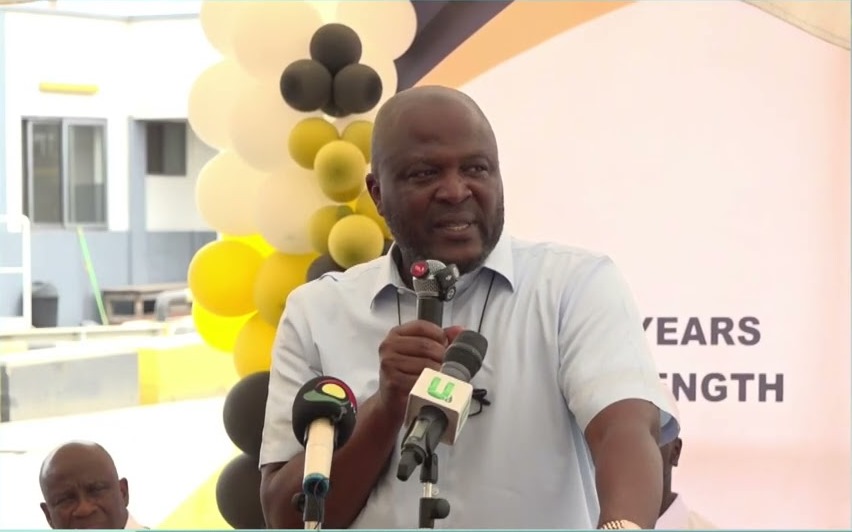
Ghanaian businessman Ibrahim Mahama’s takeover of the Damang gold mine is beginning to deliver employment gains for surrounding communities, with the mine more than doubling its permanent workforce to 426 in six months under local ownership.


The increase from 207 employees inherited from Gold Fields Ghana in April 2026 includes 120 workers who were moved from labour-hire arrangements onto the permanent payroll, offering greater employment security to workers previously engaged under those contracts.
The mine, operated by Mr Mahama’s Engineers and Planners (E&P), now has approximately 2,300 workers when contractors are included, according to figures reported by the company.
The development comes as Ghana seeks to increase local participation in the mining industry and ensure that communities hosting the country’s mineral resources benefit more directly from their exploitation.
Joseph Nana Ansah Banful, the mine’s People Manager for Human Resources, said about 62 per cent of its permanent employees came from the 10 communities within its catchment area, exceeding the company’s 60 per cent local recruitment target.
The company expects its permanent workforce to exceed 500 by the end of 2026, potentially increasing the number of households benefiting from regular employment and income.
Mining activity expands
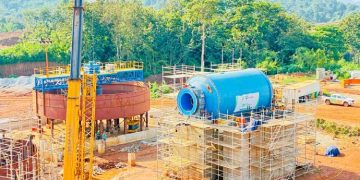
Operational activity has also increased since E&P took over the mine on April 18, 2026, following the government’s decision not to renew Gold Fields’ lease and the subsequent tender process restricted to Ghanaian-owned companies.
Monthly mining volumes rose from 1.4 million tonnes in May to three million tonnes in September, with the company reporting approximately 11.1 million tonnes moved since the takeover.
Frank Dankyi Agyei, the mine’s manager responsible for mining, said freshly mined material accounted for about 60 per cent of the material entering the processing plant, with the remainder coming from existing stockpiles.
The increase in activity could create further demand for workers and contractors while supporting businesses supplying goods and services to the mine.
However, the volumes reported represent material moved, rather than gold produced, and do not by themselves establish the mine’s profitability or the wider economic returns from the takeover.
Communities demand wider benefits
Beyond direct employment, the transition has raised expectations that the mine will generate broader economic opportunities through infrastructure, procurement contracts and improved social amenities.
Traditional leaders and residents have welcomed the retention of workers and the commencement of road projects, including work on the Damang-Subri road, which forms part of a planned route towards Cape Coast.
At a community forum, residents also called for more jobs for women and National Service personnel, while community representatives stressed the need for transparent recruitment, fair compensation for affected farmers and improved opportunities for local businesses.
The company is also pursuing plans for a hospital and other community infrastructure, although the extent and timing of these proposed investments remain important considerations for residents.
A proposed airport near the mine, however, has missed the six-month deadline announced by Mr Mahama at the April handover ceremony.
The project has expanded from an airstrip into a runway of approximately two kilometres, designed to accommodate Boeing 737 and 787 aircraft. Construction is expected to cost at least US$80 million, with earthworks slowed by hard rock at the site.
Farmers affected by the project are expected to be compensated and relocated, but the company has not disclosed the number of people affected or the compensation arrangements.
$740m dispute with Gold Fields
The mine’s expansion is unfolding alongside a major financial dispute between E&P and its former business partner, Gold Fields.

E&P is pursuing approximately US$740 million in arbitration over alleged underpayments for mining contract work at the Tarkwa and Damang mines. The claim comprises about US$474.9 million relating to Tarkwa and US$264.7 million relating to Damang.
Gold Fields disputes the claims, and the outcome remains unresolved.
For Ghana, the Damang transition offers an important test of whether indigenous ownership of large-scale mining operations can translate into sustained employment, stronger local businesses and lasting community development.
While the early employment and operational figures point to progress, the broader socioeconomic impact will depend on the mine’s long-term performance and whether its development commitments translate into measurable improvements in the lives of surrounding communities.
Source: www.kumasimail.com with files from billionaires.africa