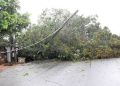


































For years, communities in Ghana’s Upper East Region have endured the devastating effects of annual flooding associated with the spillage of the Bagre Dam in neighbouring Burkina Faso. Homes and properties are destroyed, farmlands are submerged, and livelihoods are disrupted, leaving residents to grapple with the consequences of recurring disasters.


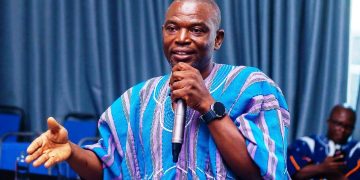
But the Upper East Regional Minister, Hon. Akamugri Donatus Atanga, believes the region can turn this recurring challenge into an economic opportunity through an innovative water harvesting initiative.
The minister is therefore seeking support from the National Disaster Management Organisation (NADMO) to implement a proposed project that will capture and store excess floodwater for use during the dry season.
The initiative, which forms part of the region’s 10-year development framework, known as PEARL, is expected to reduce the destructive impact of flooding while improving agricultural production and creating employment opportunities for young people.
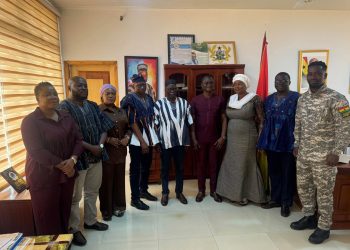
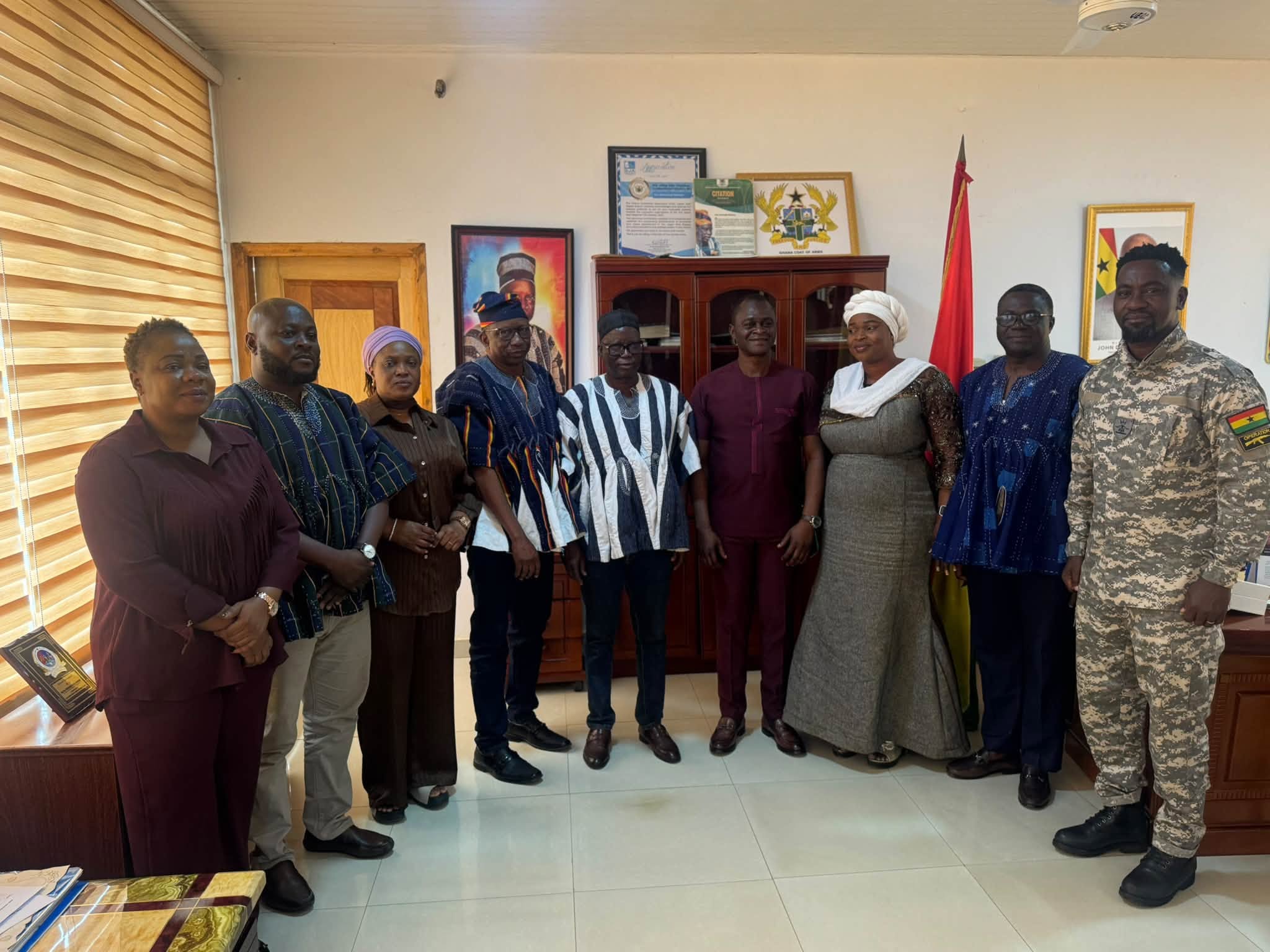
Hon. Atanga made the appeal when the Director-General of NADMO, Major (Rtd) Dr Joseph Bikanyi Kuyon, paid a visit to the Upper East Regional Coordinating Council.
Explaining the concept, the minister said the project would involve constructing water collection ponds at strategic locations away from the banks of the White Volta and developing channels to divert excess water into the ponds for storage.
The stored water would then be used for livestock production and irrigation during the dry season, helping farmers maintain agricultural activities beyond the rainy season.
The minister said the region could no longer afford to depend largely on emergency responses after every episode of flooding, stressing the need for sustainable interventions that would address the problem at its source.
“When we talk about disasters in Ghana, everybody knows that the Upper East Region is disaster-prone because of the Bagre Dam. Perennially, we face this challenge every year,” he said.
He explained that the regional administration was exploring ways to harness the water flowing from Burkina Faso into Ghana and transform what has traditionally been a source of destruction into a resource for development.
Hon. Atanga called on the NADMO Director-General to help mobilise development partners and donors to support the implementation of the project, expressing optimism that it could significantly improve the region’s resilience to flooding.
From disaster response to preparedness
Beyond the proposed water harvesting initiative, the engagement also highlighted the need to strengthen the region’s overall disaster preparedness, particularly as it approaches the dry season.
The Chief Director of the Upper East Regional Coordinating Council, Mr Bless Kwame Darkey, drew attention to the growing risk of bushfires and other fire-related emergencies during the period.
He also identified logistical constraints as a major challenge confronting NADMO’s regional and district operations, explaining that emergency responses sometimes depended on support from a limited number of private companies.
Despite these difficulties, Mr Darkey expressed confidence in the existing collaboration between NADMO, the Regional Coordinating Council and the Regional Security Council in managing disasters.
NADMO signals support for water harvesting
Responding to the minister’s appeal, Major (Rtd) Dr Kuyon said water harvesting was already among NADMO’s priority interventions, with the organisation pursuing proposals submitted to development partners for financial support.
He described the construction of water reception ponds as a key component of efforts to address the imbalance between periods of excess water and water shortages.
“Water is supposed to be a blessing, not a curse,” he said, emphasising the importance of developing sustainable mechanisms to regulate water availability throughout the year.
Dr Kuyon expressed optimism that some of the proposals submitted to donors would receive favourable responses, suggesting that the Upper East Region could be considered for an initial intervention.
He noted that the project would not only benefit communities affected by flooding but could also contribute to addressing downstream water management challenges.
Strengthening emergency response
In a related development, the NADMO Director-General disclosed plans to establish strategically located outfield warehouses across the country to improve emergency response and the distribution of relief supplies.
He said the proposed warehouses had been captured in NADMO’s budget, subject to the necessary approvals.
According to him, decentralising emergency supplies currently concentrated in Accra would enable the organisation to respond more quickly to disasters by positioning relief materials closer to vulnerable communities.
For the Upper East Region, the proposed water harvesting project represents an opportunity to rethink its long-standing relationship with the annual Bagre Dam spillage.
If successfully implemented, the initiative could help communities move beyond recurring flood losses towards a system in which excess water is captured, conserved and put to productive use, particularly in agriculture.
The success of the proposal, however, will depend on securing the necessary funding, technical support and partnerships to translate the vision into reality.
Source: www.kumasimail.com