































The Bank of Ghana (BoG) has engaged families of distinguished national figures featured on its new Ghana Cedi Heritage Series banknotes, following public controversy over the accuracy of some of the portraits selected for the redesigned currency.


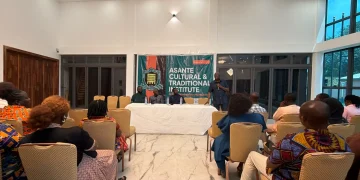
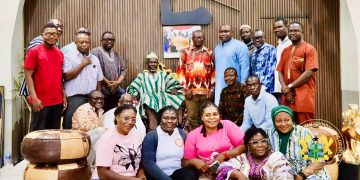
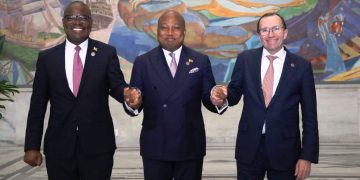
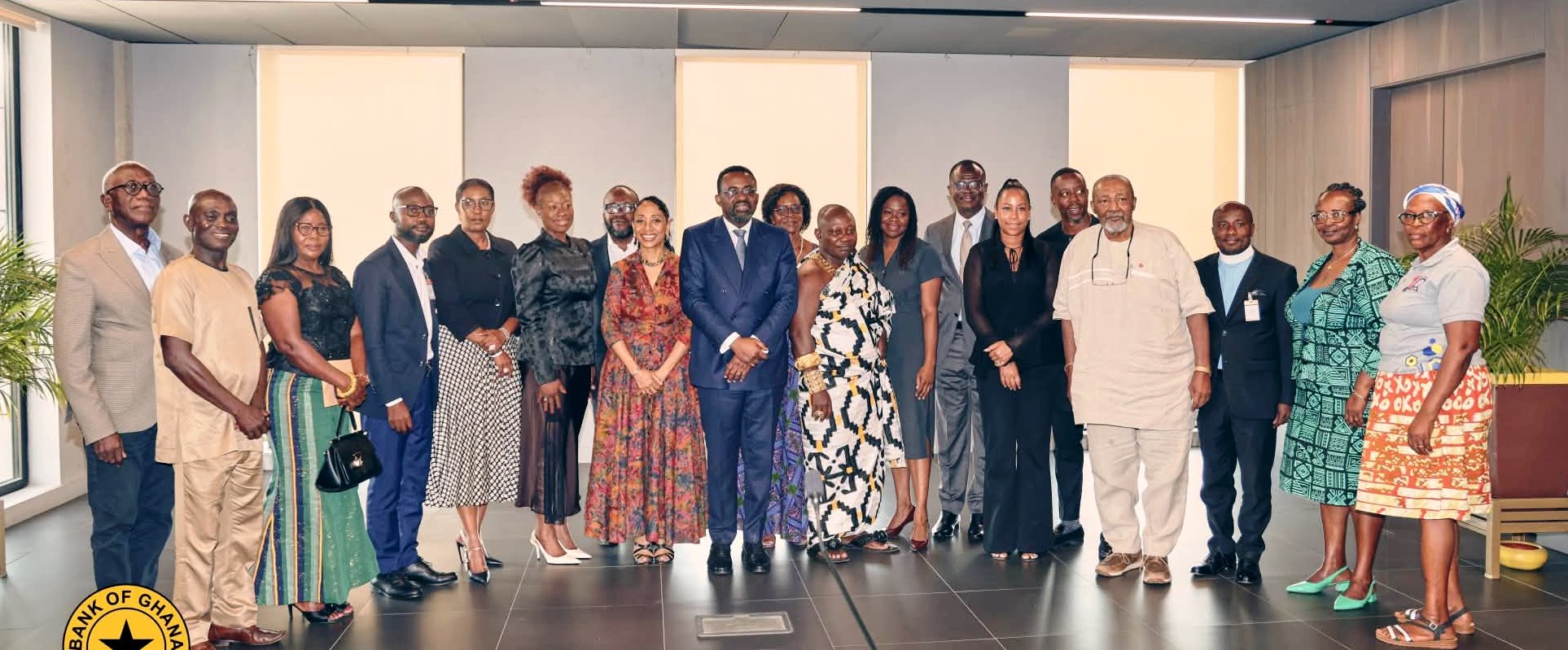
The meeting, held on Wednesday, November 25, 2026, at Bank Square in Accra, brought together the Governor of the Bank of Ghana, Dr Johnson Pandit Asiama, First Deputy Governor Dr Zakari Mumuni and relatives of the national heroes and heroines whose portraits appear on the new banknotes.
The engagement comes barely a month after the unveiling of the Heritage Series triggered questions about the identities of some personalities depicted on the notes, particularly the portrait of Ghana’s national flag designer, the late Mrs Theodosia Salome Okoh, on the GH¢50 denomination.
At the meeting, Dr Asiama explained the processes involved in selecting the personalities and their portraits for the new currency, stressing that the initiative was intended to celebrate their contributions to Ghana’s development and preserve their legacies for future generations.
He maintained that the selected personalities deserved the recognition because of their distinguished contributions to the country.
The families, in response, expressed appreciation to the Governor and the Bank of Ghana for honouring their relatives, describing the gesture as a fitting tribute to their memories and achievements.
They also expressed pride in seeing their loved ones recognised on the national currency and commended the central bank for using the redesigned banknotes to showcase Ghana’s history and heritage.
Portrait controversy casts shadow over Heritage Series
The engagement comes against the backdrop of public criticism that greeted the unveiling of the new banknotes on November 12, particularly allegations that the wrong portrait had been used to represent Mrs Theodosia Salome Okoh.
The controversy erupted after Prof Eddie Obeng, son of Dr Letitia Obeng and nephew of Mrs Okoh, publicly questioned the identity of the woman depicted on the GH¢50 note.
Prof Obeng argued that the portrait bore a striking resemblance to his late mother, Dr Letitia Obeng, rather than his aunt, Mrs Okoh, who designed Ghana’s national flag.
The concerns generated considerable public discussion, with questions raised about the verification procedures used by the Bank of Ghana before approving the portraits.
In response, the central bank issued a clarification on November 13, insisting that the portrait was developed from different photographs of Mrs Okoh and not from a photograph of her sister.
The Bank explained that the photographs were used to produce an engraved artistic representation suitable for banknote printing. It acknowledged, however, that certain modifications, including replacing Mrs Okoh’s familiar head-tie with a hairstyle common during that period, contributed to the perceived differences in her appearance and the resemblance to Dr Obeng.
The Bank also said it appreciated the family’s constructive engagement and reaffirmed its commitment to ensuring that distinguished personalities featured on Ghana’s currency were represented with dignity and respect.

Beyond the GH¢50 controversy, further questions emerged on social media about the identity of the personality depicted on the GH¢5 note, with some commentators suggesting that the portrait resembled Gold Coast surveyor George Ekem Ferguson rather than the educationist Dr James Emman Kwegyir Aggrey, whom the Bank says the denomination honours.
Other unverified claims also questioned the identity of a woman featured in the market scene on the reverse of the GH¢1 note. The Bank had not publicly confirmed those allegations as of the latest reports on the matter.
Although the November 25 engagement provides an opportunity for the central bank to explain its selection process and strengthen its relationship with the families, the Bank’s account of the meeting does not indicate whether the specific concerns surrounding the disputed portraits were discussed or whether any further changes to the designs are being considered.
The Ghana Cedi Heritage Series is scheduled to enter circulation on December 1, 2026.
The new currency series features portraits of distinguished Ghanaian personalities alongside historical landmarks, monuments and cultural symbols intended to reflect the country’s national identity and heritage.
Source: www.kumasimail.com