
































The Eastern Regional Health Directorate has raised concern over reluctance of many women to access breast cancer screening and diagnoses services in the region resulting in a decline in cases at various health facilities.


The region recorded 289 breast cancer cases in 2023, 150 in 2024, 117 in 2025 and 99 cases as of June 2026, according to the Eastern Regional Director of Health Service, Dr Damien Punguyire.
He cautioned against interpreting the declining figures as evidence of progress, warning that some women could be living with breast cancer without seeking medical attention.
“A falling number in a register is not the same as a falling disease. The more worrying explanation is that fewer women are being screened, examined and diagnosed.”Dr.Punguyire said .
He added: “Those women have not gone away. They are in our communities and our homes, and some may be living with a lump they have told no one about.”
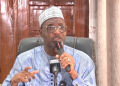
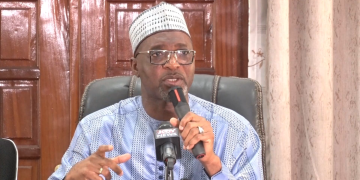
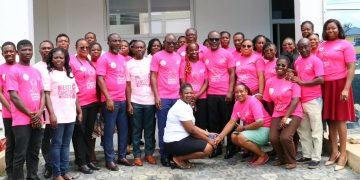
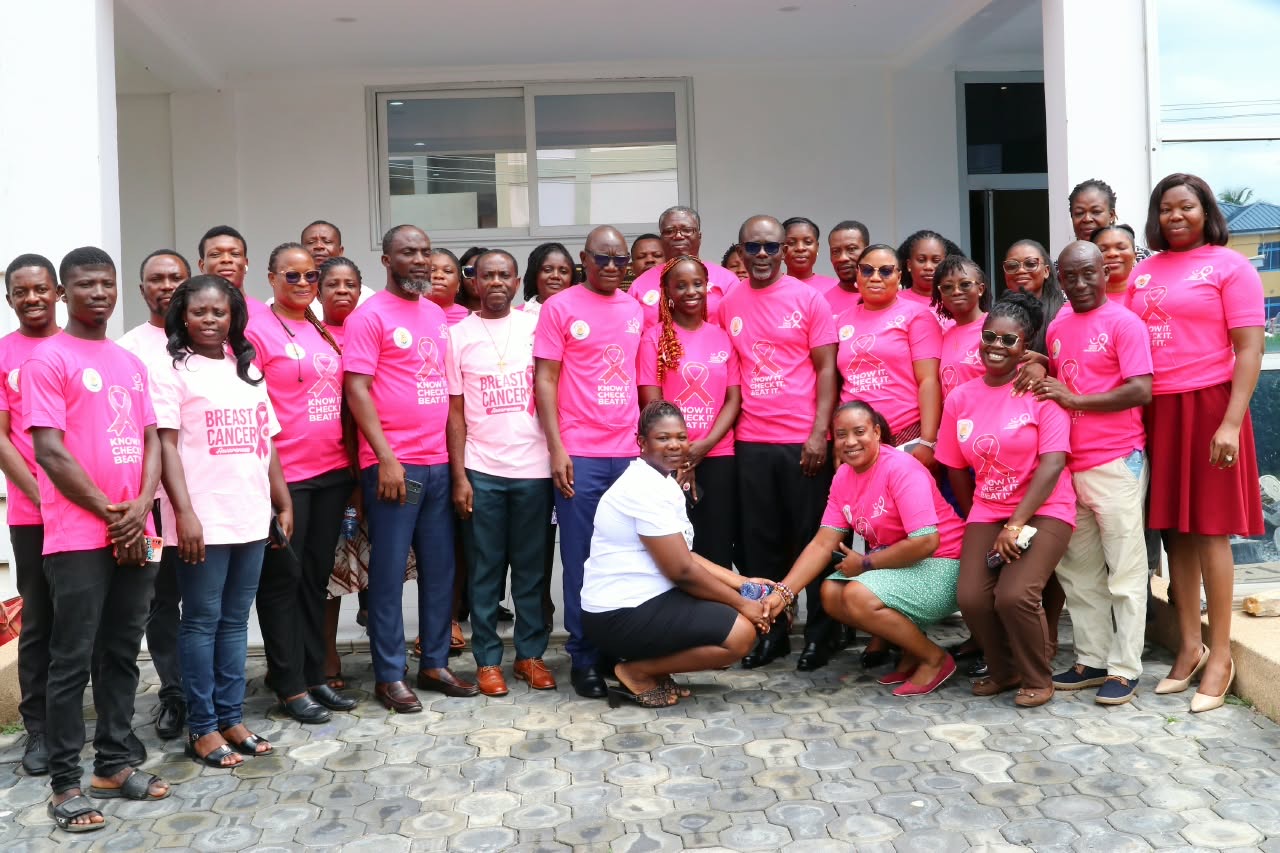
Dr Punguyire said this Wednesday October 21 during a press briefing and the regional launch of the 2026 Breast Cancer Awareness Month campaign, which is being observed under the theme “Early Action, Better Outcome.”
The campaign will cover all 33 districts of the Eastern Region, with the Ghana Health Service seeking to improve early detection, encourage screening and address misconceptions that prevent women from seeking medical care.
Dr Punguyire said approximately 5,000 Ghanaian women are diagnosed with breast cancer every year, with nearly 2,000 dying from the disease.
He explained that six or seven out of every ten women diagnosed with breast cancer arrive at health facilities late, when treatment becomes more difficult and the chances of survival are poorer.
“Put plainly, on an average day in Ghana, about fourteen women are told they have breast cancer, and about five will not survive it,” he said.
He stressed that the figures underscore the need for concerted efforts to ensure women seek medical attention as soon as they notice unusual changes in their breasts.
“The question before us this morning is not only, ‘How do we treat breast cancer?’ It is this: why are so many of our mothers, sisters and daughters reaching us late, and what will it take to meet them earlier?” he asked.
According to him, fear, shame and misconceptions about the disease, in addition to distance and cost, continue to prevent some women from accessing timely medical care.
As part of the campaign, the Eastern Regional Health Directorate is targeting misconceptions that breast cancer is caused by curses or witchcraft, as well as beliefs that prayer or herbal remedies alone can cure the disease.
Dr Punguyire emphasised that breast cancer is a medical condition and is not contagious.
“Breast cancer is a disease. It is not a curse, and it is not spiritual punishment,” he said.
He added that people living with the disease require support rather than isolation and urged families and communities to encourage affected women to seek professional treatment.
“We are a people of faith, and no woman should be made to choose between her faith and her health. Prayer can comfort you. But delay in going to hospital is dangerous,” he said.
“So pray, and go. Do not pray alone. Do not take herbs alone.”
The Regional Director of Health urged women aged 30 and above to take advantage of the awareness campaign to undergo clinical breast examinations.
He recommended checking the breasts every month, a few days after menstruation ends, while women who no longer menstruate should choose a consistent day each month.
He identified new lumps or thickening in the breast or armpit, changes in breast size or shape, skin dimpling, an inward-turning nipple, nipple discharge, rashes and persistent breast pain as signs that require medical assessment.
Dr Punguyire outlined a series of interventions the directorate intends to implement throughout the campaign.
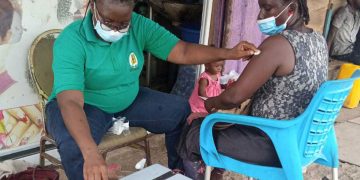
These include breast health education and clinical breast examinations for women aged 30 and above at outpatient departments, integrating breast health information into antenatal, family planning and child welfare clinics, and organising community education sessions, durbars and demonstrations on breast self-examination.
Source : Ghana/Starrfm.com.gh