

































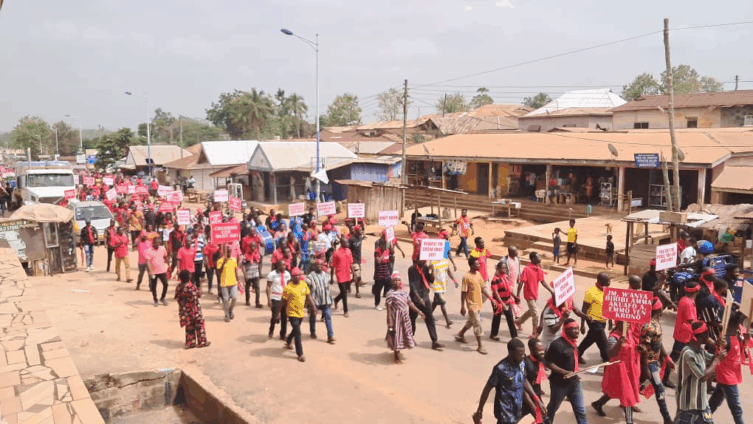
Cocoa farmers in Ghana’s Western North Region have staged protests after the government reduced the producer price of cocoa by 28%, a move they say threatens their livelihoods.


The farmers marched through the main streets of Sefwi Wiawso, Juaboso and Bia West on Thursday, carrying placards that read “Restore Our Price Now” and “Cocoa Sustains Ghana, Don’t Neglect Farmers.”
Earlier this month, Finance Minister Dr Cassiel Ato Forson announced that the price paid to farmers would fall from GH¢3,625 to GH¢2,587 per 64kg bag for the remainder of the 2025/2026 crop season. The adjustment, which took effect on 12 February, sets the new rate at GH¢41,392 per tonne.
The decision was taken by the government and the Producer Price Review Committee (PPRC), which said it was aligning farmgate prices with a sharp decline in global cocoa prices.
Officials say the cut is necessary to restore liquidity in the sector and ensure timely payments to farmers. Many growers have experienced delays in recent months, amid reports of unsold cocoa stocks and financial pressures at the Ghana Cocoa Board (COCOBOD).
But farmers in the Western North Region say the reduction comes at a time of rising production costs. They argue that higher prices for labour, fertiliser and transport mean the new rate barely covers their expenses.
“We cannot survive on this,” one protester said, adding that the government should reconsider the decision.
The issue has also drawn political reaction. The opposition New Patriotic Party (NPP) Minority in Parliament described the mid-season price cut as a betrayal and called for it to be reversed.
Civic organisations, including the People’s Forum, have launched billboard campaigns in several regions to draw attention to the impact of the decision on cocoa farmers.
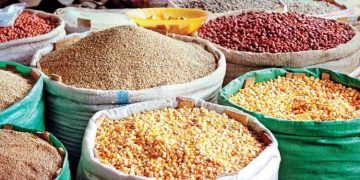
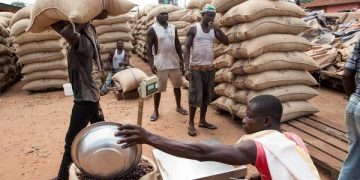
Ghana is the world’s second-largest cocoa producer, and the sector supports hundreds of thousands of farmers. The latest protests highlight growing tensions over pricing policy, market volatility and ongoing reforms at COCOBOD, as the government seeks to stabilise one of the country’s most important export industries.
Source: www.kumasimail.com