


























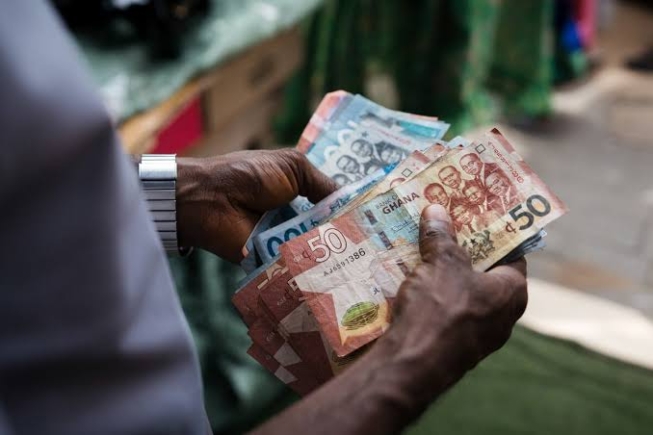
Workers on Ghana’s national minimum wage are set to receive higher daily earnings over the next two years following an agreement to increase the rate to GH¢25.04 in 2027 and GH¢28.79 in 2028.


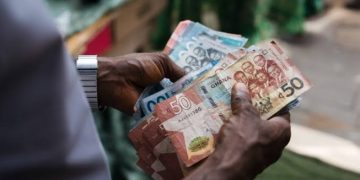
The National Daily Minimum Wage will rise from GH¢21.77 to GH¢25.04 from January 1, 2027, representing an increase of 25.4%.
A further adjustment will take the rate to GH¢28.79 from January 1, 2028, under a two-year wage framework agreed by the National Tripartite Committee.
The Committee announced the decision in a communiqué issued yesterday.
The first increase will give workers currently earning the minimum wage an additional GH¢3.27 for each working day, while the 2028 adjustment will raise their daily earnings by GH¢7.02 compared with the current rate.
The increases are expected to provide some relief to low-income workers facing the cost of food, transport, utilities and other essential goods and services.
However, the extent to which the adjustments will improve workers’ purchasing power will depend on inflation and changes in the prices of goods and services over the period.
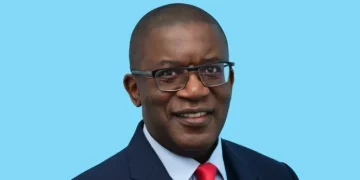
The communiqué was signed by the Minister of Labour, Jobs and Employment, Emmanuel Kwadwo Agyekum; Deputy Finance Minister Thomas Nyarko Ampem; President of the Ghana Employers’ Association, Nana Dr Emmanuel Adu-Sarkodee Afriyie; and Secretary-General of the Trades Union Congress, Joshua Ansah.
Two-year wage agreement
The agreement followed negotiations involving representatives of government, employers and organised labour.
The National Tripartite Committee said the two-year arrangement was intended to provide greater predictability in wage determination and support medium-term economic planning.
It is expected to give employers a clearer basis for planning their wage bills while allowing workers to know the minimum daily rate for the next two years.
The Committee has directed all establishments, institutions and organisations paying below the revised minimum wage to adjust their rates from January 1, 2027.
It has also urged employers to comply with the agreed rates.
As part of the recommendations, the Committee called on the government to make the National Daily Minimum Wage tax-exempt.
However, the agreed rates are not necessarily fixed for the entire period. The Committee said they could be reviewed if there were significant changes in key economic indicators, including inflation, exchange rates and economic growth.
Any proposed adjustment would be discussed by the tripartite partners, using credible economic data, and would require consensus.
What the minimum wage means
The National Daily Minimum Wage is the lowest amount an employer is legally required to pay a worker for a day’s work.
It serves as a basic protection against unduly low wages and provides a minimum earnings threshold for workers.
However, it does not represent the actual salary of every employee. Many formal sector workers earn more, depending on their employment contracts, collective bargaining agreements and sector-specific arrangements.
The rate is determined by the National Tripartite Committee, which brings together government, employers and organised labour to negotiate and agree on minimum wage levels.
Source: www.kumasimail.com