





























Ghana has set 2028 as its target for achieving rice self-sufficiency, as government rolls out an US$18.8 million agricultural project to boost domestic production and reduce the country’s dependence on imported rice.


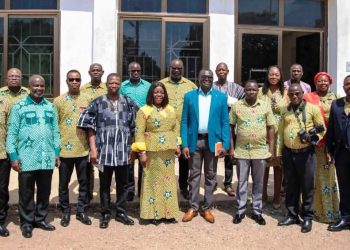
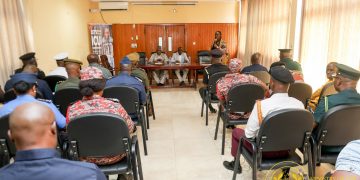
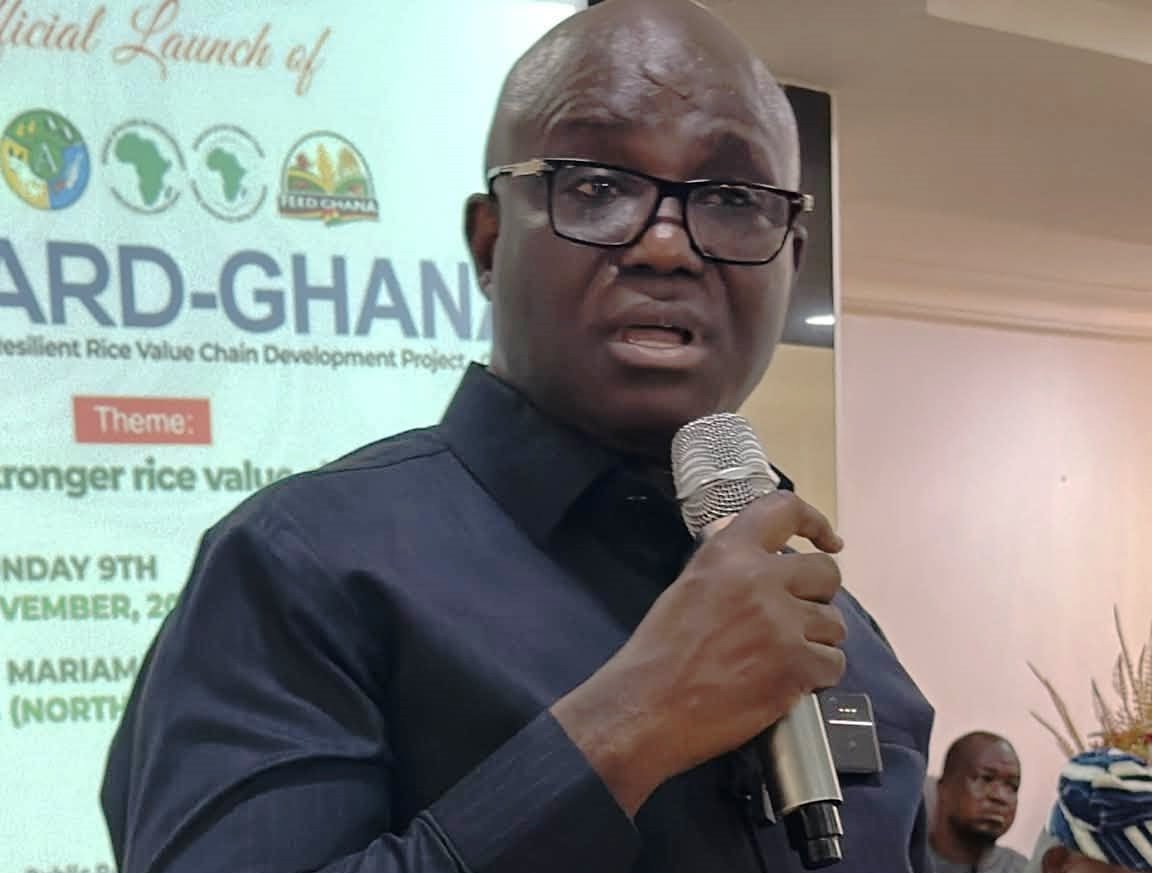
Minister of Food and Agriculture, Eric Opoku, announced the target on Monday, November 9, 2026, at the launch of the Regional West Africa Resilient Rice Value Chains Development (REWARD) Project at the Mariam Hotel in Tamale.
He disclosed that Ghana currently spends approximately US$500 million annually on rice imports, despite recording significant improvements in domestic production.
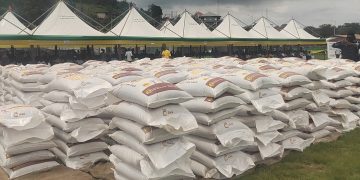
Milled rice production increased from about 685,000 metric tonnes in 2022 to 960,000 metric tonnes in 2025. However, local production currently accounts for only 56 per cent of national consumption, leaving the remaining 44 per cent to imports.
Mr Opoku said government was targeting 3.31 million metric tonnes of paddy rice production as part of efforts to achieve self-sufficiency by 2028.
The US$18.8 million project, supported by a grant from the African Development Bank (AfDB), is expected to directly benefit approximately 20,000 smallholder farmers, including women and young people.
Seven areas have been selected for implementation: Tamale Metropolitan, Mion, Savelugu, Mamprugu-Moagduri, West Gonja, Wa Municipal and Nandom.
A major component of the intervention is the development of 3,200 hectares of land for rice cultivation within the Northern Savannah Ecological Zone.
The project will also provide improved seeds, agricultural machinery and processing equipment to address longstanding challenges affecting rice production, productivity and quality.
Among the machinery expected to be deployed are rice transplanters, seed drills, rotary tillers, boom sprayers and mini crawler combine harvesters.
Existing processing facilities will also receive equipment, including colour sorters, destoners and improved parboiling vessels, to enhance the quality and competitiveness of locally produced rice.
Mr Opoku said the intervention was part of government’s flagship Feed Ghana Programme, which seeks to increase food production, strengthen agricultural value chains and create employment opportunities.
He urged private investors to explore opportunities in seed production, mechanisation, processing, packaging, storage and distribution, stressing that sustainable growth in the rice industry required stronger collaboration between government, businesses and farmers.
The minister also appealed to households, restaurants, hotels, schools and public and private institutions to prioritise locally produced rice.

He said increased patronage of Ghanaian rice would support farmers, protect jobs and strengthen businesses across the agricultural value chain.
Earlier, Northern Regional Minister Ali Adolf John described the project as particularly significant to the region, given its potential to contribute substantially to national rice production.
He called for effective collaboration among implementing partners, district authorities, traditional leaders, farmer organisations and private-sector actors to ensure the project achieved its objectives.
Mr Adolf also urged Metropolitan, Municipal and District Chief Executives to align the intervention with existing development plans and avoid duplication of resources.
The Agric Minister, however, stressed that the project’s success would be measured not merely by the resources invested but by tangible improvements in yields, production costs, post-harvest losses, rice quality, market access and farmers’ incomes.
Source: www.kumasimail.com