



































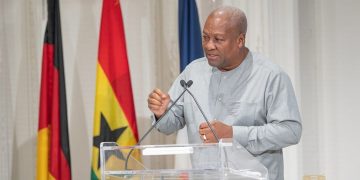



The Northern Regional Coordinating Council (NRCC) has called for urgent reforms in healthcare administration, warning that weak management, poor professional discipline and inefficient resource allocation could undermine Ghana’s efforts to achieve Universal Health Coverage (UHC) by 2030.


Acting Chief Director of the NRCC, Sumaila Ewuntomah Abudu, said Ghana’s UHC coverage stood at 56 per cent, against a national target of 80 per cent by 2030, leaving a 24-percentage-point gap that requires coordinated action across the health sector.
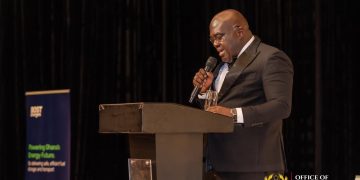
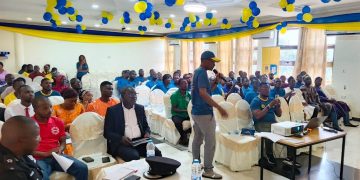
He made the call on Wednesday, October 21, when he addressed the 49th Annual Conference and Continuing Professional Education Programme of the Association of Health Service Administrators, Ghana (AHSAG), at the Modern City Hotel in Tamale.
Speaking on behalf of the Northern Regional Minister, Ali Adolf John, Mr Abudu challenged health service administrators to adopt innovative, efficient and results-oriented management practices to improve access to essential healthcare services.
He said the gap in coverage highlighted the need to strengthen institutional capacity, eliminate operational bottlenecks and ensure that available resources translated into tangible benefits for patients.
The conference was held under the theme, “Building Resilient Free Primary Healthcare Systems for Universal Health Coverage: The Leadership Role of Health Service Administrators.”
Mr Abudu described primary healthcare as the foundation of an equitable and resilient health system, stressing that its effectiveness depended not only on infrastructure, equipment and funding but also on the quality of leadership and administration.
He said administrators were responsible for translating government policies and programmes into practical results through sound financial management, staff discipline, professional ethics and effective service delivery.
“Without competent and committed administrators, even well-designed government policies could remain unimplemented, limiting their intended benefits to the population,” he cautioned.
He urged healthcare administrators to prioritise adequate funding for primary healthcare facilities, strengthen accountability and ensure that patients’ welfare remained central to institutional operations.
According to him, effective primary healthcare would reduce the cost of accessing medical services, improve health outcomes and narrow disparities in healthcare access between rural and urban communities.
Mr Abudu also warned that unprofessional conduct and poor discipline among healthcare personnel could undermine service quality and erode public confidence in health institutions.
He challenged administrators to lead by example, uphold ethical standards and enforce institutional rules consistently, arguing that effective leadership was essential to building a culture of accountability and fairness.

He further urged participants to move beyond identifying challenges confronting the health sector and develop practical, sustainable solutions capable of improving institutional performance and extending services to underserved communities.
The Acting Chief Director said the success of government efforts to expand healthcare access would depend significantly on the quality of administration at national, regional and district levels, as well as within individual health facilities.
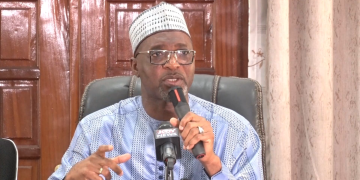
Meanwhile, Director-General of the Ghana Health Service, Dr Samuel Kaba Akoriyea, called for greater attention to staff welfare, inclusivity and fairness across the health service.
He said all employees, regardless of rank, position or professional status, deserved equal treatment, respect and consideration.
Dr Akoriyea maintained that an inclusive working environment was essential to improving staff morale, productivity and commitment, adding that the welfare of health workers remained critical to the overall performance of the Ghana Health Service.
Source: www.kumasimail.com