










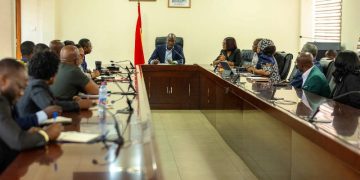






























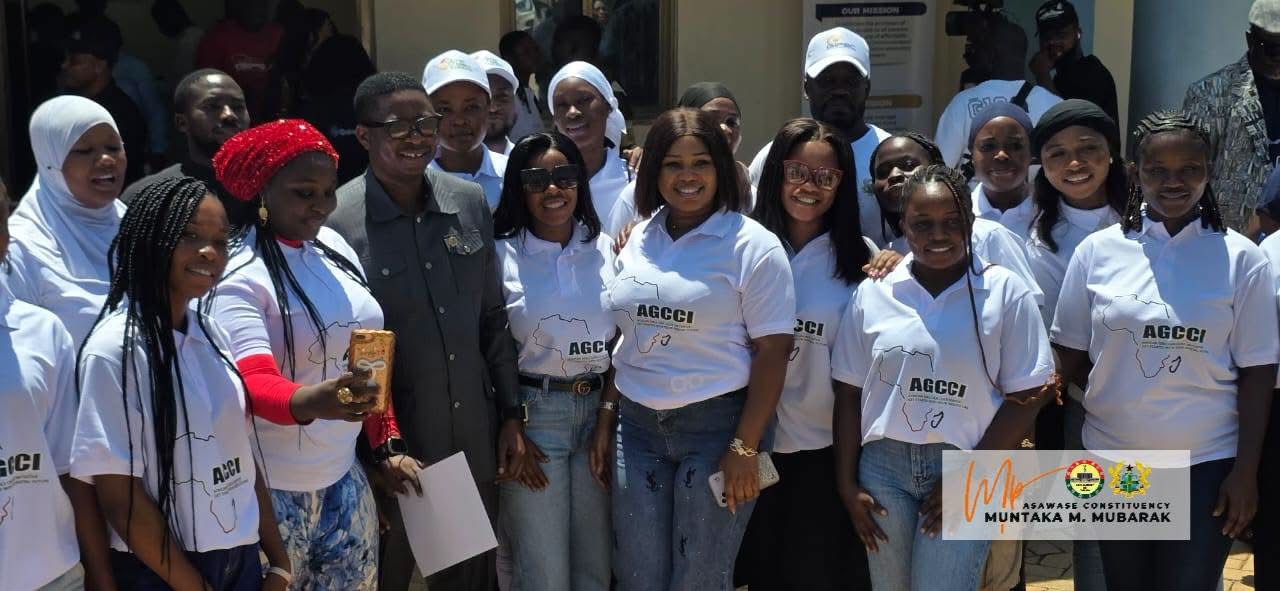
Thirty-two girls from the Asokore Mampong Municipality have benefited from the 2026 Africa Girls Can Code (AGCC) Programme, aimed at equipping young women with digital skills and encouraging greater participation in Science, Technology, Engineering and Mathematics (STEM).


The five-day programme, which began on September 28, 2026, ended on Friday, October 2, at the Ashanti Regional Head Office of the Ghana Investment Fund for Electronic Communications (GIFEC) at Kwadaso.
According to a statement posted on Facebook by the Member of Parliament for Asawase and Minister for the Interior, Muntaka Mohammed-Mubarak, the training brought together 50 girls selected from across the Ashanti Region.
Of the total participants, 32, representing 64 per cent, were from the Asokore Mampong Municipality.
The AGCC programme is designed to promote digital inclusion and ICT literacy while increasing female participation in STEM. Participants received practical exposure to coding and other digital competencies intended to prepare them for opportunities in the technology sector.
Mr Mohammed-Mubarak said the intervention formed part of broader efforts to bridge the gender digital divide, strengthen digital literacy and create sustainable pathways for young women to participate in Ghana’s growing digital economy.
He expressed appreciation to the Government of Ghana, the Municipal Chief Executive for Asokore Mampong, Hon. Ben Abdallah Alhassan, the International Telecommunication Union (ITU), and the Chief Executive Officer and Administrator of GIFEC, Dr Sofo Rashid Tanko Computer.
He also acknowledged the contribution of Salifu Abubakari, popularly known as B. Bala, GIFEC Coordinator for the Asokore Mampong Municipality, as well as other stakeholders involved in the organisation of the programme.
The programme also sought to go beyond technical training by building participants’ confidence and competencies to pursue further education, innovation, entrepreneurship and careers within the information and communications technology (ICT) ecosystem.
The initiative is expected to contribute to efforts to equip more young women with the digital knowledge and skills needed to participate meaningfully in Ghana’s increasingly technology-driven economy.