




































More than 30 per cent of maternal deaths recorded in the Upper West Region in 2026 have been linked to sickle cell disease, prompting health authorities to intensify efforts to improve the management of high-risk pregnancies.


The Deputy Director of Public Health at the Upper West Regional Health Directorate, Dr Collins Boateng Danquah, disclosed that six of the 18 maternal deaths recorded in the region this year were related to sickle cell disease.
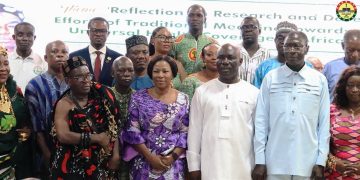
He made the disclosure at a regional dialogue organised by the Department of Obstetrics and Gynaecology of the Upper West Regional Hospital in collaboration with the Regional Health Directorate on November 18, 2026.
The one-day engagement brought together frontline medical officers and midwives from across the region, particularly those serving underserved and deprived communities, to strengthen their capacity to manage pregnancies complicated by sickle cell disease.
Dr Danquah, who addressed participants on behalf of the Regional Director of Health Services, said the dialogue was organised in response to maternal deaths associated with sickle cell crises, particularly during labour.
He stressed the need for stronger clinical interventions and improved management of pregnant women living with the condition to prevent avoidable deaths.
He urged medical officers and midwives to seek assistance whenever they faced uncertainty in clinical decision-making rather than attempting to manage complicated cases without the necessary support.
He also encouraged healthcare professionals in remote and resource-constrained facilities to take advantage of telemedicine to access timely clinical guidance and support.
Leading the technical sessions, Dr Gildas Mbamba Ngman-Wara, a gynaecologist and Clinical Care Coordinator at the Upper West Regional Hospital, described sickle cell disease in pregnancy as a major maternal health challenge but cautioned against treating the condition as an automatic death sentence.
He said early identification, timely referral, multidisciplinary collaboration, emergency preparedness and improved facility capacity were essential to ensuring better outcomes for pregnant women with sickle cell disease.
Dr Ngman-Wara challenged participants to translate the knowledge acquired into improved clinical practice and measurable improvements in maternal health outcomes.

He noted that although healthcare professionals could not change the fact that a woman was born with sickle cell disease, they could significantly influence her pregnancy experience through appropriate medical care and effective health system interventions.
“Let us make maternal survival our collective responsibility,” he charged.
As part of practical recommendations from the dialogue, participants were encouraged to establish and maintain registers of pregnant women identified as high-risk due to sickle cell disease and ensure their timely referral to facilities equipped to provide advanced care.
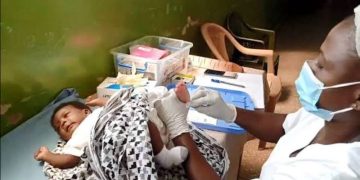
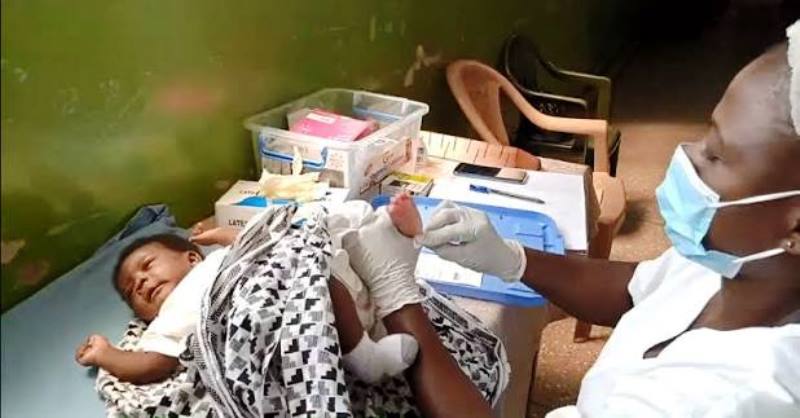
The Upper West Regional Hospital also highlighted its newborn sickle cell screening programme as part of efforts to promote early identification and management of the condition.
The engagement forms part of broader efforts by the regional health authorities to strengthen frontline healthcare delivery and reduce preventable maternal deaths, particularly among women living with sickle cell disease.
The central message from the dialogue was that a diagnosis of sickle cell disease should not deprive any woman of the opportunity to experience safe motherhood.
Source: www.kumasimail.com