













Concerns over the growing influence of money in Ghana’s electoral processes have intensified, with prominent members of the governing National Democratic Congress (NDC) raising alarm over what they describe as the increasing monetisation of internal party elections.


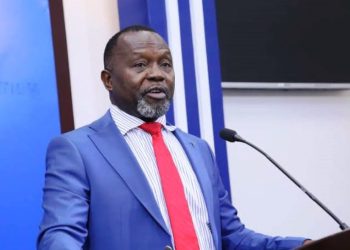
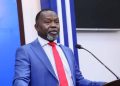
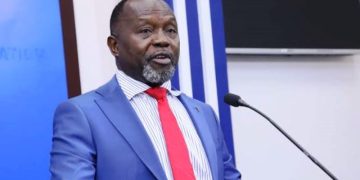
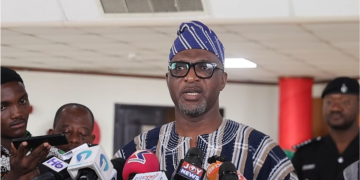
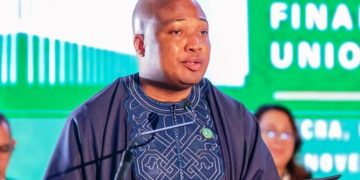
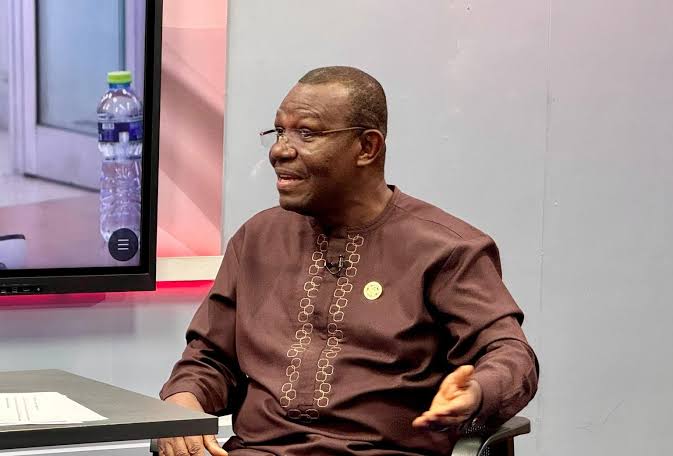
The latest warning has come from the Chairman of the NDC Volta Regional Caucus in Parliament and Member of Parliament for Ho West, Emmanuel Kwasi Bedzrah, who has expressed concern about the alleged excessive use of money during the party’s recent regional elections.
Mr. Bedzrah’s comments come days after Roads and Highways Minister, Kwame Governs Agbodza, also criticised the growing influence of financial inducements in elections, raising questions about the future of democratic competition within political parties and the country at large.
The Ho West MP believes the trend poses a serious threat to the integrity of Ghana’s democratic process, warning that the increasing reliance on financial inducements risks creating the impression that political leadership positions can be bought.
According to him, the perception that Ghana’s democracy is for sale undermines the principles of free choice, accountability and fair political competition.
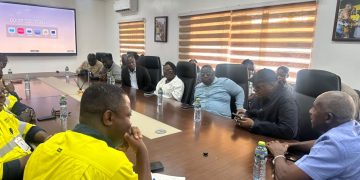
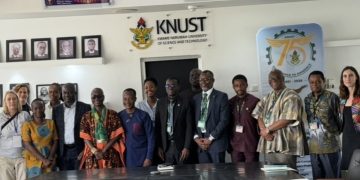
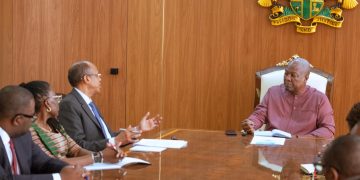
Speaking during an engagement with the United Nations Office on Drugs and Crime (UNODC), Mr. Bedzrah stressed the importance of conducting elections without financial inducements, arguing that electoral decisions should be guided by competence, credibility and the ability of candidates to serve rather than their financial strength.
His concerns have added to growing calls within the NDC for a reassessment of the role of money in internal party contests, particularly following the recent regional executive elections.
The warnings from the two senior NDC figures have also reignited broader discussions about vote buying, political accountability and the need to protect Ghana’s democratic institutions from the influence of money.
The development raises questions about whether candidates with financial resources are increasingly gaining an advantage over individuals with competence and commitment but limited financial capacity.
Political observers have repeatedly warned that excessive monetisation of elections could weaken internal party democracy, discourage capable individuals from seeking leadership positions and undermine public confidence in the electoral process.
The concerns also come at a time when Ghana’s political parties are expected to strengthen their internal democratic structures ahead of the 2028 general elections.
Mr. Bedzrah’s call for elections free from financial inducements adds to the growing debate over the need to preserve the credibility of Ghana’s democracy and ensure that political leadership is determined by the choice of voters rather than the financial influence of contestants.
Source: www.kumasimail.com