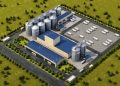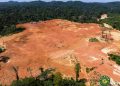




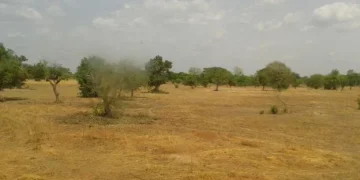









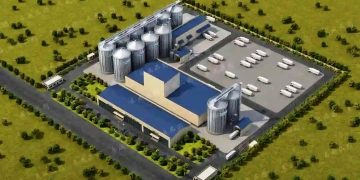





















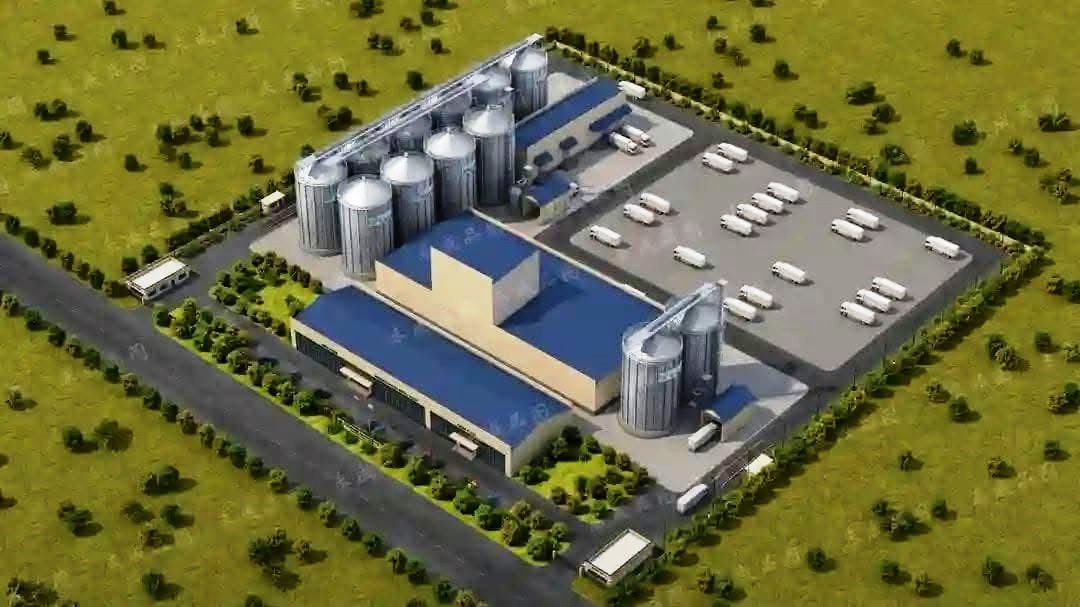
Construction of a 120-tonne-capacity maize and soybean processing factory is expected to begin at Zini in the Sissala West District of the Upper West Region following the release of 20 acres of land by the community for the project.


The land was formally handed over to a special delegation representing President John Dramani Mahama on Wednesday, November 18, 2026, paving the way for construction of the facility, which is expected to be completed by November 2027.
The project is expected to provide an industrial market for maize and soybean farmers in the Sissala area, where agriculture remains a major source of livelihood but commercial opportunities for processing locally produced crops remain limited.
The proposed factory will process maize into flour, extract oil from soybean and convert processing by-products into animal feed.
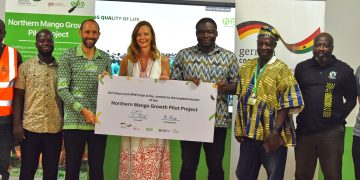
It will also operate an outgrower scheme under which farmers will cultivate and supply the two crops to the facility. Republic Bank is expected to support participating farmers with agricultural credit and access to farm machinery to facilitate production.
According to the project engineer, the facility will have the capacity to process up to 5,000 bags of flour daily.
The Zini facility is the second of five maize and soybean processing plants planned for different parts of Ghana. Construction of the first factory is already underway in Techiman.
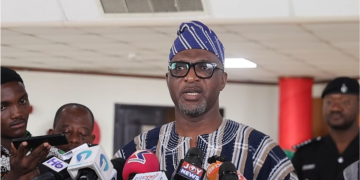
Addressing the gathering during the land handover, Sissala West District Chief Executive, Gbene Abudu Fuseini, urged the contractor to adhere strictly to the project timeline while ensuring that construction meets the required quality standards.
The initiative is particularly significant for the Sissala area, whose agricultural potential has remained largely underexploited despite the availability of extensive arable land.
The Ministry of Food and Agriculture identifies maize, millet, sorghum, rice, groundnuts, cowpea and soybean among the district’s major crops. Its assessment also identifies considerable opportunities for commercial cultivation of soybean and industrial maize.
The Sissala farming belt is estimated to produce more than 100,000 metric tonnes of maize annually, according to a November 2023 report by the Ghana News Agency. However, farmers have repeatedly faced challenges associated with production costs, market access and fluctuations in demand.
The processing factory could help address some of these difficulties by creating a structured market for farmers, reducing dependence on raw commodity sales and introducing opportunities for value addition within the local economy.
The project also aligns with President Mahama’s broader agricultural transformation agenda, which places emphasis on linking agricultural production to industrial processing, expanding commercial farming and creating employment through agribusiness.
Mahama’s interest in agriculture is not merely a policy position. He is himself an established farmer with crop and livestock farming interests in Yapei and Busunu in the Savannah Region.

In December 2024, he showcased his agricultural operations, disclosing that his farms produced maize and soybean supplied directly to Asutuare Farms in the Eastern Region for poultry feed. He also revealed that his livestock enterprise, which started with 300 goats and other small ruminants, had grown to nearly 500 animals.
He has repeatedly described farming as a personal passion and expressed his desire to encourage young people to approach agriculture as a viable business rather than subsistence activity.
His administration has subsequently established the Presidential Initiatives in Agriculture and Agribusiness, built around the Feed Ghana Programme, Feed the Industry Programme and agricultural infrastructure development.
The framework seeks to strengthen local food production, establish reliable raw material supply chains for industries and expand agro-processing opportunities.
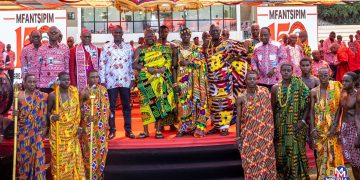
The Zini project is also understood to have a personal connection to the President. During his 2024 election campaign, Mahama was installed as a Development Chief of Zini. Community sources say the factory forms part of his intended contribution to the development of the area.
Source: www.kumasimail.com with files from Sissala Radio