







































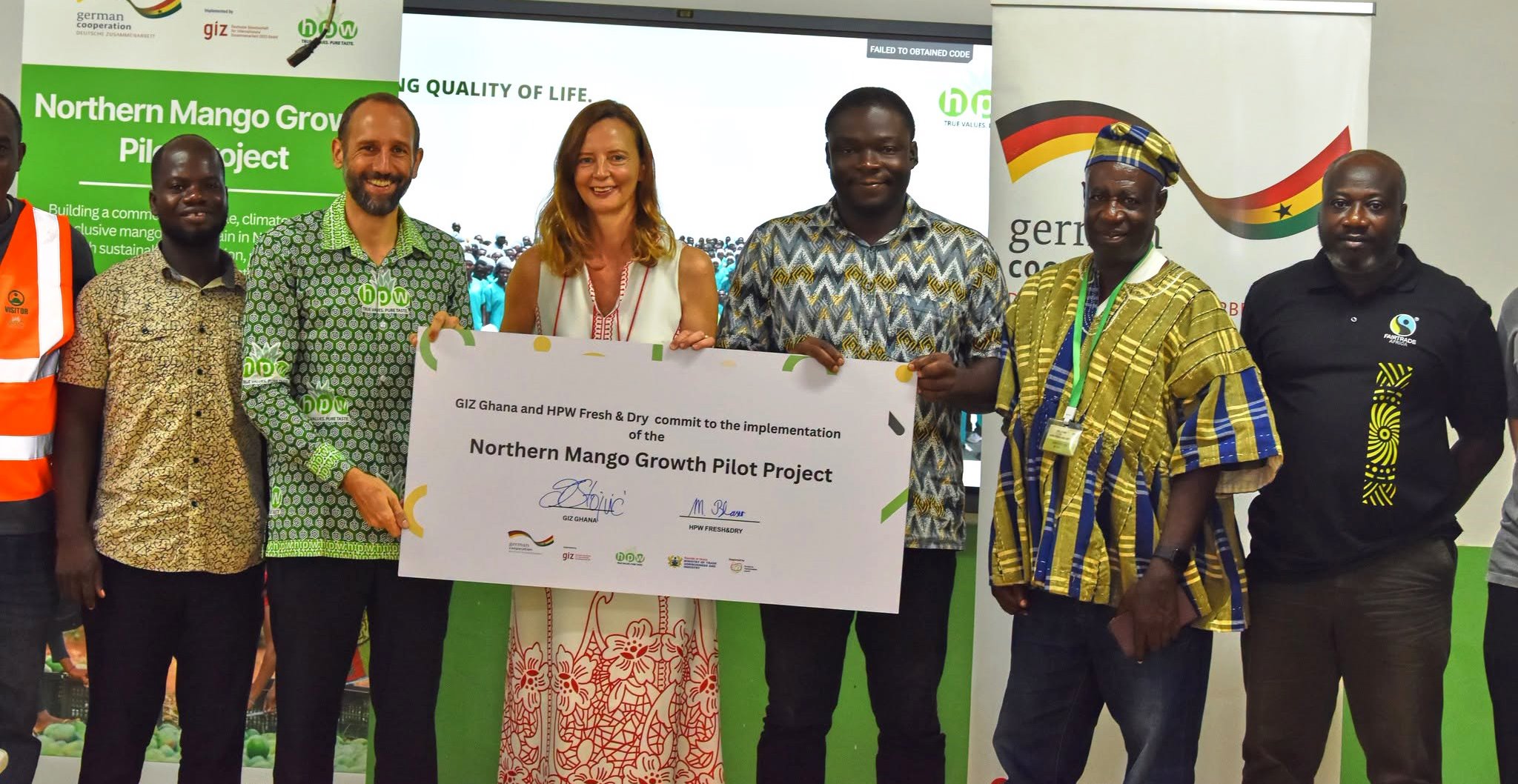
A new partnership between tropical fruit processor HPW Fresh & Dry and Germany’s development agency, GIZ, is targeting the establishment of 900 acres of commercial mango orchards in Northern Ghana in a major push to expand agricultural production, increase farmers’ incomes and create jobs.


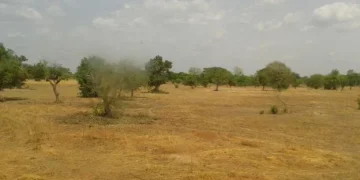
The Northern Mango Growth Pilot Project, officially launched on November 13, 2026, at HPW’s facility in Adeisu in the Eastern Region, aims to establish 360 hectares of commercial mango orchards comprising approximately 54,000 trees.
The initiative seeks to develop a commercially viable, climate-resilient and Bacterial Black Spot-free mango value chain in Northern Ghana, with particular emphasis on improving production standards, strengthening farmer organisations and connecting growers to reliable markets.
Under the project, approximately 100 participating farmers are expected to benefit from interventions targeting a 5 per cent increase in their incomes, while at least 70 jobs are expected to be created across the mango value chain.
The project also targets annual carbon sequestration of approximately 80 tonnes of carbon dioxide equivalent (tCO₂e), adding an environmental and climate-financing dimension to the commercial farming initiative.
A key component is the provision of quality planting materials, promotion of sustainable orchard management practices and support for farmer organisations to improve production and market access.
In collaboration with Esoko Limited, an agricultural technology and digital inclusion company, participating farmers will also be enrolled in the Sika Fields Carbon Programme, creating opportunities to earn additional income through carbon payments.
The initiative is particularly significant for Northern Ghana, where mango cultivation has emerged as an important commercial agricultural activity but continues to face challenges relating to productivity, disease management, access to markets and investment.
A growing export opportunity
Ghana’s mango industry offers considerable commercial opportunities, with export earnings rising significantly in recent years.
According to the Ghana Export Promotion Authority (GEPA), the country earned approximately US$75 million from mango exports in 2024, up from US$62.05 million in 2023.
Ghana exported mangoes to 42 international markets in 2024, ranking 13th globally and second among African mango exporters behind Egypt. The United Kingdom remained the country’s largest export destination.
The figures underline the potential of mango cultivation as an important source of foreign exchange, rural employment and income generation.
However, the industry continues to grapple with production and post-harvest challenges, including pests and diseases, inadequate storage and processing infrastructure, and difficulties in meeting international quality standards.
Bacterial Black Spot (BBS), in particular, has been a major threat to mango production and export competitiveness. Previous interventions by agricultural development organisations have identified the disease as capable of causing substantial yield losses when not properly controlled.
The Northern Mango Growth Pilot Project is therefore placing emphasis on establishing disease-free orchards and promoting improved production practices to strengthen the quality and commercial viability of mango farming.
Beyond fruit production
The partnership also reflects a broader shift towards building agricultural value chains that connect farmers to processing companies, export markets and alternative sources of income.

HPW Fresh & Dry, a tropical dried fruits and snacks processor operating in West Africa, brings private-sector processing and market experience to the initiative, while GIZ provides development cooperation support.
Esoko’s involvement in the Sika Fields Carbon Programme is expected to introduce participating farmers to additional income opportunities linked to carbon sequestration and climate-friendly agricultural practices.
The project is an initiative under the Private Sector and Innovation Promotion in Ghana (PSInno) programme, commissioned by Germany’s Federal Ministry for Economic Cooperation and Development (BMZ) and implemented by GIZ in partnership with Ghana’s Ministry of Trade, Agribusiness and Industry.
Its targets also include incorporating at least three lessons and innovations from previous projects into implementation.
For Northern Ghana, the success of the initiative could strengthen the region’s position in Ghana’s commercial horticulture industry, while creating opportunities for farmers, agricultural service providers, transport operators, processors and other businesses along the mango value chain.
The project comes at a time when Ghana is seeking to expand agricultural exports, attract private investment into agribusiness and improve rural livelihoods through commercially viable and sustainable agricultural production.
Source: www.kumasimail.com