





































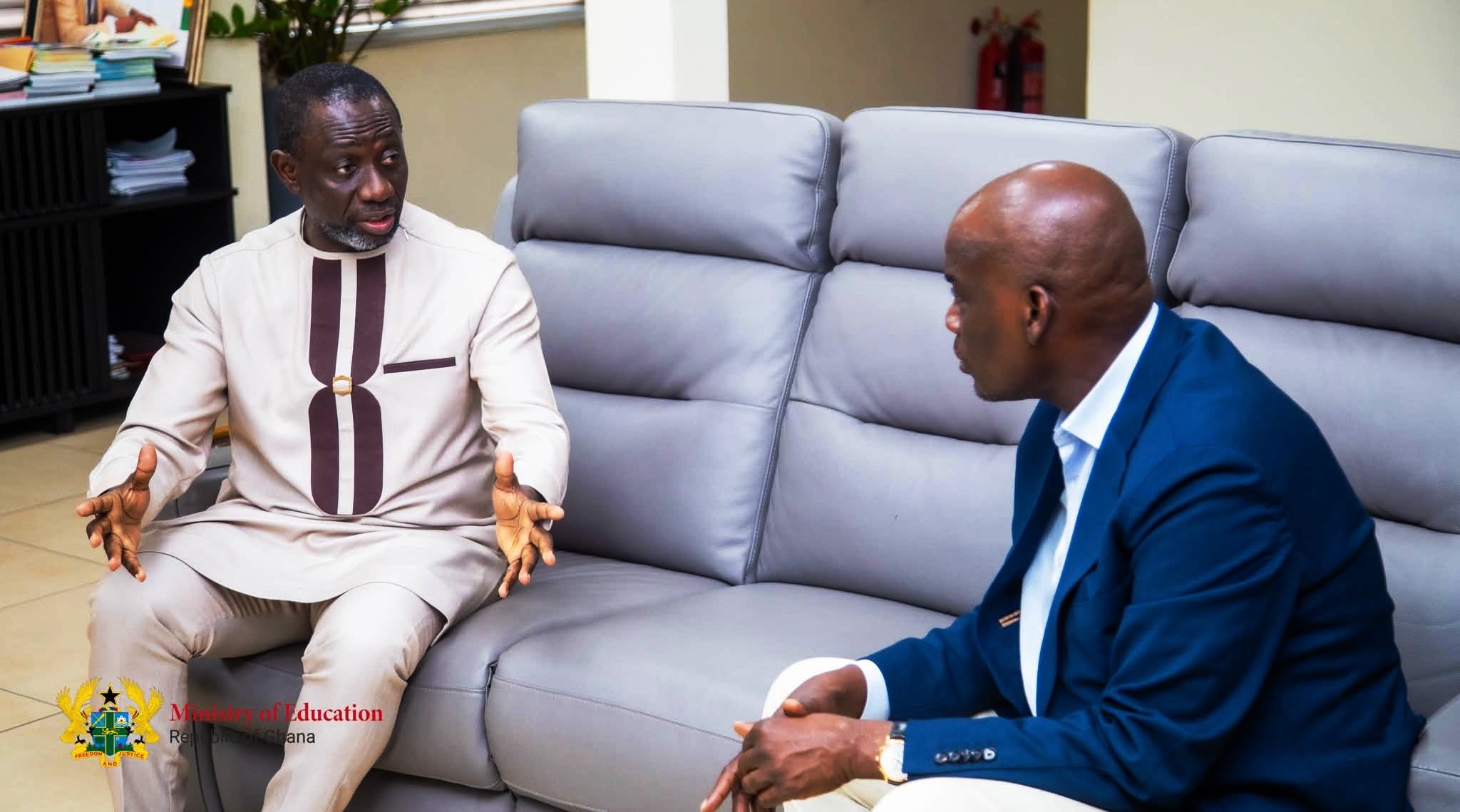
Education Minister Haruna Iddrisu has directed the Ghana Tertiary Education Commission (GTEC) to collaborate with the Rent Control Commission to explore measures to regulate hostel accommodation charges and protect tertiary students from escalating rental costs.


The directive follows growing concerns over rising hostel fees across university campuses, with students and parents increasingly struggling to cope with the cost of accommodation.
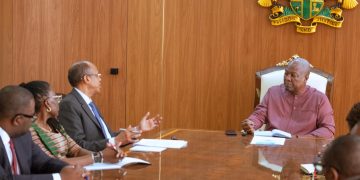
At a meeting on Wednesday, November 18, 2026, involving Acting Rent Commissioner Frederick Opoku and GTEC Director-General Professor Ahmed Jinapor, Mr Iddrisu called for a coordinated approach to addressing the problem.
According to a statement issued by the Ministry of Education, the meeting followed an appeal by the Acting Rent Commissioner for the Minister’s intervention in what he described as the excessive cost of student hostel accommodation.
The Minister acknowledged the challenges associated with growing demand for student accommodation but stressed the need to balance the interests of students, hostel operators and tertiary institutions.
He also disclosed that government was considering a Public-Private Partnership (PPP) arrangement to facilitate the construction of additional hostel facilities at affordable rates.
The proposed arrangement is expected to expand accommodation options and ease pressure on existing facilities, while making tertiary education more accessible and affordable.
The meeting comes amid months of escalating tensions between the Rent Control Department and operators of student accommodation facilities over the legality and affordability of hostel charges.
In May 2026, Acting Rent Commissioner Frederick Opoku announced plans to subject student hostel fees across university campuses to professional valuation, engaging the Ghana Institution of Surveyors to assess accommodation facilities and determine appropriate charges under the Rent Act, 1963 (Act 220).
On May 19, the Rent Control Department directed private student hostel operators nationwide to suspend proposed increases in accommodation fees for the 2026/2027 academic year pending further consultations. The directive followed complaints that persistent increases were placing students and their parents under financial pressure.
In August, Mr Opoku disclosed that his office had received approximately 100 applications from students concerning private hostel charges. He subsequently announced plans for rent officers across the country to assess the affected facilities.
The dispute intensified in November, particularly over accommodation facilities operated by the University of Ghana Enterprises Limited (UGEL).
On November 17, Mr Opoku led a Rent Control team to inspect selected University of Ghana halls following complaints about increasing accommodation charges and deteriorating living conditions.

During the exercise, he raised concerns about mould, poor ventilation and malfunctioning air conditioners in some facilities, questioning the justification for rising charges where students were reportedly living in poorly maintained rooms.
The inspection generated controversy, with reports of a heated confrontation between the Rent Commissioner and some university hostel officials over his authority to inspect the facilities.
The Rent Control Department had also petitioned the Attorney-General to investigate UGEL over alleged breaches of rent regulations and consider prosecution where wrongdoing was established.
UGEL, however, has defended its charges, citing substantial outstanding loans, utility bills and maintenance costs. Its Chief Executive Officer, Yawo Agbesi, disclosed that the company owed a consortium of banks approximately GH¢70 million.
Wednesday’s meeting signals government’s attempt to find a coordinated solution to the growing accommodation crisis. However, the specific regulatory measures to emerge from the collaboration between GTEC and the Rent Control Commission are yet to be announced.
Source: www.kumasimail.com