


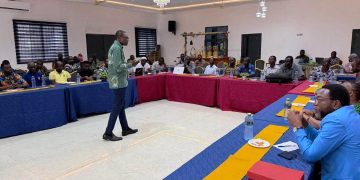























Plans to establish a university in Damongo are gathering momentum, with assessments of existing facilities completed and proposals being considered to either upgrade the Damongo College of Agriculture and Allied Sciences or establish a separate institution.


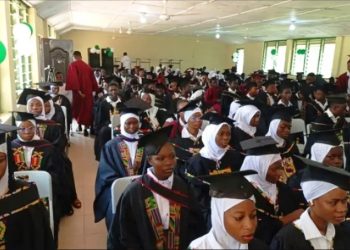
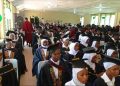
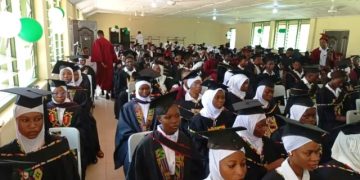
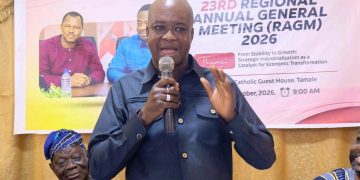
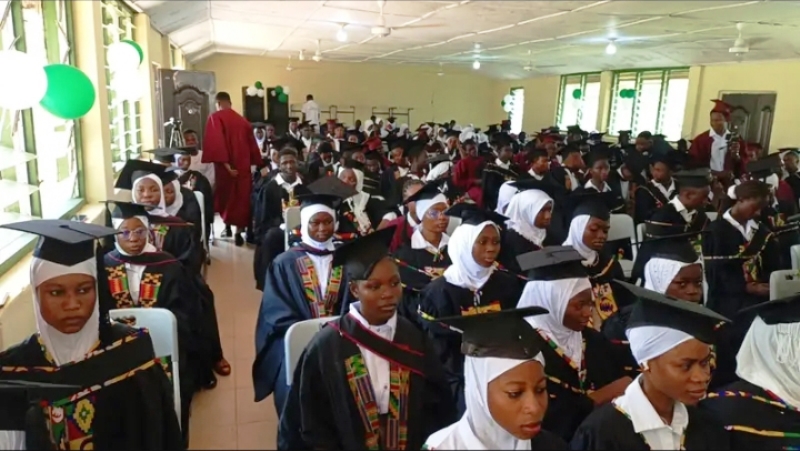
The development was disclosed at the College’s 2026/2027 matriculation ceremony on Thursday, October 29, where 164 students were formally admitted, amid renewed calls for investment in agricultural education to tackle unemployment and strengthen Ghana’s food security.
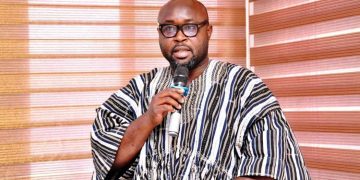
The West Gonja Municipal Chief Executive (MCE), through a representative, Mr Ibrahim Salifu, said concrete steps had been taken towards the proposed university project, with an official announcement expected in due course.
He said discussions were centred on upgrading the existing college into a university or establishing a new university alongside it.
The College’s Vice Principal, Mr Clement Abiire Akurugo, also confirmed that a ministerial committee working with the Savannah Regional Coordinating Council had assessed the institution’s facilities and received the requested information from management.
He said the College was awaiting further developments on the proposal.
Meanwhile, the institution matriculated 164 students for the new academic year, comprising 88 males and 76 females.
The female enrolment of 76 represents 47 per cent of the intake and is the second-highest recorded by the institution in a single admission year, according to management.
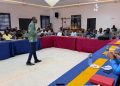
Addressing the students, Mr Salifu urged them to look beyond academic certificates and acquire practical skills capable of transforming agriculture into a viable source of employment and wealth creation.
“You did not come here just to get a certificate. You came here to get knowledge and practical experience that will help feed Ghana,” he said.
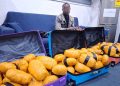
He identified the Savannah Region’s agricultural potential in yam, groundnuts, maize, soybeans, cashew, livestock and aquaculture as opportunities graduates could exploit to establish businesses and create jobs.
He said Ghana needed more agricultural extension officers, animal health professionals, agriculturists and agribusiness entrepreneurs to strengthen food production and reduce dependence on imported food.
Mr Salifu urged the students to treat practical training seriously, describing the farm as their laboratory and stressing that agricultural education must translate into productive ventures.
College battles infrastructure constraints
Despite its growing student population and expanding academic activities, the College is facing infrastructure challenges, particularly inadequate hostel accommodation.
Mr Akurugo said the admission of the new students had increased pressure on existing facilities, with the female hostel under considerable strain and one of the boys’ hostels requiring urgent structural reinforcement on its top floor.
He appealed to government, the West Gonja Municipal Assembly, traditional authorities and other stakeholders to support the institution with the infrastructure needed to improve teaching and learning.
He also disclosed that seven staff members were pursuing further academic qualifications, comprising five master’s degree programmes and two PhDs, as management works to strengthen academic standards and meet requirements of the Ghana Tertiary Education Commission.
The College currently runs three programmes: a three-year Higher National Diploma, a two-year diploma and a two-year certificate programme.
Push for agriculture as a career
The Assistant Headmaster in charge of Academics at Ndewura Jakpa Senior High Technical School, Mr Samuel Dramani, challenged teachers to stop portraying farming as punishment for students.
He said practices such as assigning school gardening and farm work as punishment for wrongdoing could discourage young people from considering agriculture as a serious profession.
Mr Dramani, who disclosed that he reared sheep and goats alongside his teaching career, urged students to exploit the region’s abundant agricultural land to establish their own businesses rather than depend solely on government employment.
He also highlighted the shortage of veterinary services as an opportunity for young people to pursue careers in animal health.
“We can be self-sufficient and self-employed so that we can help to boost the food basket of our country,” he stressed.

The Vice Principal said the College was working with development partners, including WUSC, ACTIVATE, the Mastercard Foundation, the World Food Programme and the Netherlands Embassy, on training initiatives covering aquaponics and agribusiness.
The institution is also providing training opportunities in aquaculture, vegetable production and integrated eco-farming, while positioning itself as an incubation hub for agripreneurship.
Management said it was expanding community engagement through farmer field days, aquaculture demonstrations and plans to offer free short courses in selected agricultural fields.
The College hopes to produce graduates with the technical expertise and entrepreneurial skills to harness the Savannah Region’s agricultural potential and contribute to national food security.
Source: www.kumasimail.com