








































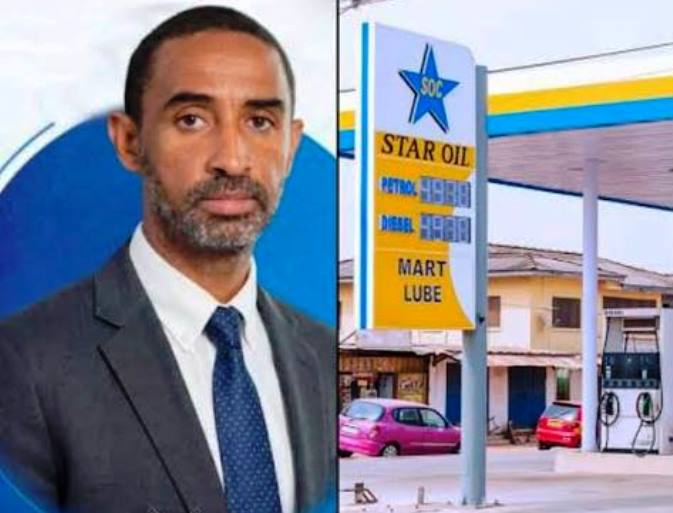
StarOil has secured regulatory approval to enter Ghana’s bulk petroleum importation and distribution market, a strategic move aimed at reducing its vulnerability to fuel shortages and strengthening supply security.


The company’s wholly owned subsidiary, SOL Energy Limited, has received authorisation from the National Petroleum Authority (NPA) to operate as a Bulk Import, Distribution and Export Company (BIDEC), following a lengthy regulatory approval process.
The move follows supply constraints in the first quarter of 2025, which exposed the risks facing oil marketing companies that depend entirely on third-party suppliers for petroleum products.
StarOil Group Chief Executive Officer, Philip Kwame Tieku, said the shortages revealed a structural disadvantage for companies without their own bulk distribution operations, particularly when competing against suppliers that also operate retail outlets.
“The events of the first quarter of 2025 marked a turning point,” Mr Tieku said, explaining that tight petroleum product inventories exposed vulnerabilities in the company’s existing supply model.
He said StarOil, now Ghana’s largest oil marketing company, could no longer ignore the implications of depending entirely on suppliers with competing interests in the retail market.
Under its new strategy, SOL Energy is expected to supply approximately 50 per cent of StarOil’s petroleum product requirements, while the remaining half will continue to be sourced from existing and prospective suppliers through competitive tenders.
The arrangement is intended to give StarOil greater control over its supply chain without completely abandoning its established procurement model.
Mr Tieku said the company had deliberately chosen to maintain a balance between securing its own supplies and continuing to work with established industry players.
“We could have pursued a strategy of complete backward integration, as some industry participants have done,” he said. “However, we believe that sustainable business relationships must be built on mutual respect, fairness and a recognition of the contributions of those who have supported our growth.”
Changing dynamics in the downstream market
StarOil’s decision comes against the backdrop of increasing vertical integration in Ghana’s downstream petroleum industry, where bulk distributors have expanded into retail operations, creating closer links between fuel suppliers and competing oil marketing companies.
According to Mr Tieku, the number of bulk distribution companies, now classified as BIDECs, has increased from two to approximately 35 over the past two decades, while the number of oil marketing companies has grown to about 195.
He said every BIDEC participating in StarOil’s competitive supply tenders has ownership interests in, or affiliations with, companies competing directly with StarOil in the retail market.
Although the company had long recognised the risks associated with this arrangement, it had continued to prioritise retail expansion, operational efficiency, technology and affordable petroleum products.
The 2025 supply constraints, however, forced a reassessment of that strategy.

Mr Tieku said SOL Energy would need the cooperation of industry partners to secure reliable laycan allocations, which determine the agreed loading or delivery windows for petroleum product cargoes.
He said the company was seeking reliable allocations to meet approximately half of its fuel requirements, subject to normal operational and logistical challenges.
“We are not asking for preferential treatment. We are asking for the same spirit of commercial cooperation and mutual support that has characterised our relationships over the years,” he said.
StarOil’s entry into the bulk distribution segment marks a significant change in its procurement strategy, with the company seeking to combine greater control over supply with continued access to the competitive advantages of third-party sourcing.
Source: www.kumasimail.com