





































Ghana is spending approximately US$1.4 billion annually to cover shortfalls in the energy sector, with outstanding arrears to independent power producers and fuel suppliers reaching about US$1.7 billion in 2025.


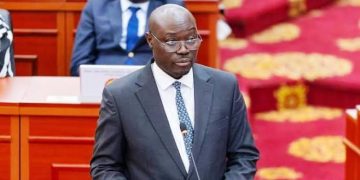
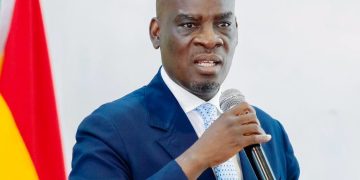
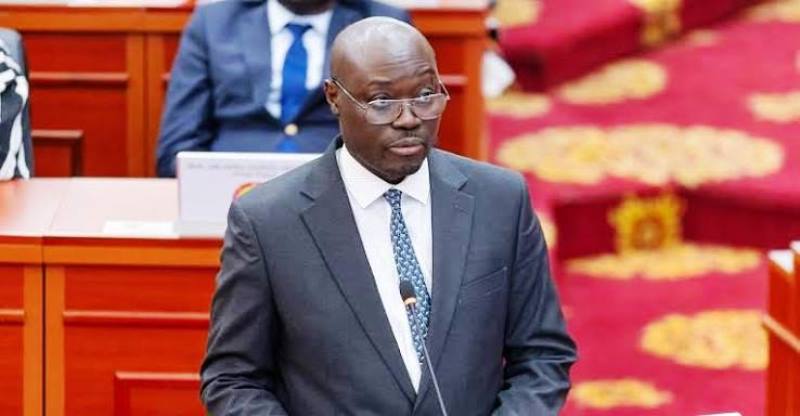
The figures, disclosed by Finance Minister Dr Cassiel Ato Forson during the presentation of the 2027 Budget on Thursday, November 12, have exposed the financial burden confronting the country’s energy industry despite years of investment in electricity generation.
The government is now committing US$2.2 billion to a major energy infrastructure programme aimed at reducing generation costs, improving electricity distribution and ending dependence on expensive emergency power plants by 2030.
Dr Forson identified high electricity tariffs, distribution losses, weak revenue collection, fuel risks and accumulated financial obligations as some of the major challenges undermining the sector.
As part of the proposed intervention, construction of a 1,450-megawatt thermal power plant at Kafodzidzi-Abrobeano in the Central Region is expected to begin in December 2026.
The facility will be fully funded and owned by the state, with the first 600 megawatts expected to be ready by December 2028 and the remaining 850 megawatts by December 2030.
The plant is expected to consume approximately 150 million standard cubic feet of additional gas daily from the Sankofa and Jubilee fields.
The government will also construct a fully state-owned 600-megawatt solar power plant supported by 2,000 megawatt-hours of battery storage.
The battery system is intended to store excess daytime solar generation for use during peak demand periods and improve the stability of the national electricity grid.
Together, the thermal and solar facilities are expected to support households and industries, particularly energy-intensive operations such as bauxite and manganese processing, steel, cement and agro-industrial production.
Beyond generation, the government plans to invest US$500 million between 2027 and 2030 to modernise the national transmission system and reduce electricity losses.
The Ghana Grid Company (GRIDCo) is expected to strengthen the north-south transmission network, connect new generation facilities to demand centres and provide dedicated high-reliability electricity connections to strategic industrial enclaves.
Another major intervention involves the deployment of two million prepaid meters to reduce distribution losses.
The government also intends to fully implement performance-based private-sector participation in electricity distribution by the end of 2027, while retaining protection of strategic public assets.
Dr Forson said the combined investments in generation, transmission and distribution would eliminate the US$1.4 billion annual energy sector shortfall currently being covered with taxpayers’ money.
The government is also targeting a reduction in the cost of power generation from approximately 16 US cents per kilowatt-hour to eight US cents or less.
Another significant component is a US$200 million nuclear-readiness programme covering January 2027 to December 2028.
The programme is expected to prepare Ghana to sign the engineering, procurement, construction and financing contract for a fully state-owned nuclear power plant by December 2028.

However, the Finance Minister clarified that nuclear readiness by 2028 does not mean the country will begin generating nuclear electricity that year. The preparatory work will include site studies, technology selection, environmental assessment, financing, licensing and emergency planning.
The government also plans to train more than 2,000 scientists to develop local expertise in nuclear power.
While the proposed investments could significantly reshape Ghana’s energy sector, the immediate challenge remains how to address the existing financial obligations while ensuring that the new infrastructure does not create additional unsustainable costs.
The government must also demonstrate that improvements in generation and distribution will translate into lower electricity bills and more reliable power for households and businesses.
For industries, particularly those expected to operate under the 24-Hour Economy initiative, the success of the programme will depend not simply on installed generation capacity but on the affordability and reliability of electricity delivered to their premises.
Source: www.kumasimail.com