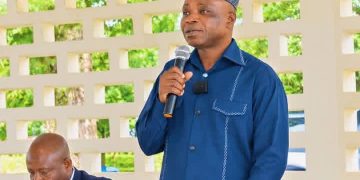

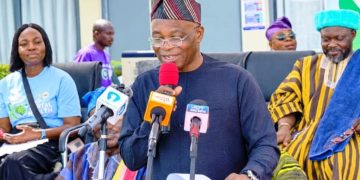

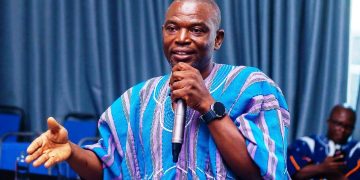


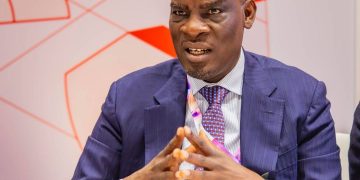
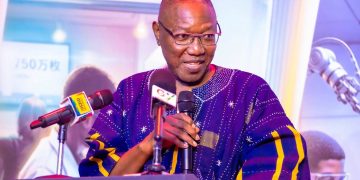

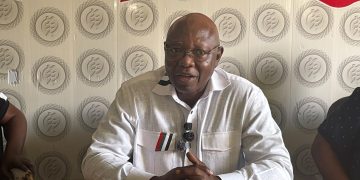

















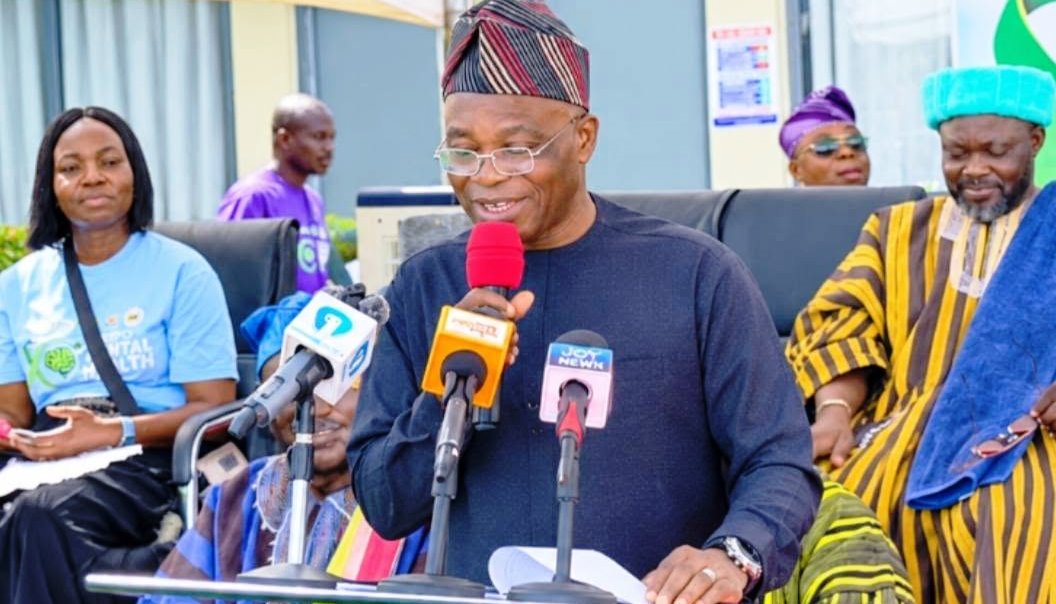
The Northern Regional Minister, Ali Adolf John, has cautioned Metropolitan, Municipal and District Chief Executives (MMDCEs) against spreading the District Assemblies Common Fund across numerous projects, urging them to prioritise critical development needs and ensure value for money.


He said Assemblies must channel their limited resources into clearly identified projects captured in their Medium-Term Development Plans and Annual Action Plans rather than commit funds to several developments that could remain unfinished.
The Minister gave the caution during the final Expanded Regional Coordinating Council (RCC) meeting for 2026, held on Thursday, November 26, at the Northern Regional Coordinating Council in Tamale.
He stressed that the 2026 Common Fund allocations must be managed transparently and in strict compliance with the approved allocation formula, procurement laws and public financial management regulations.
Ali Adolf John described the Common Fund as a critical resource for addressing development needs at the local level and urged MMDCEs to demonstrate accountability in its disbursement and expenditure.
He assured the Council that the NRCC would strengthen its monitoring and coordination responsibilities to ensure that public resources were used for their intended purposes.
Beyond financial accountability, the Minister challenged the MMDCEs to translate government policies and programmes into measurable development outcomes, identifying infrastructure, job creation, agriculture, social protection and improved public services as key priorities for the Northern Region.
On infrastructure, he disclosed that approximately 900 kilometres of feeder roads, urban roads and highways were currently under construction across the region.
He urged the Assemblies to work closely with the Department of Feeder Roads, Department of Urban Roads and Ghana Highway Authority to monitor ongoing projects, identify critical road networks and ensure regular maintenance of completed roads.
The Minister also announced that the 2027 Budget had provided GH¢3 billion for the expansion of the Rural Electricity Acceleration and Urban Intensification Initiative to selected regions, including the Northern Region.
He said the initiative presented an opportunity to extend electricity to underserved communities and improve access to reliable power for households, businesses, schools and healthcare facilities.
He therefore encouraged MMDCEs to collaborate with the Northern Electricity Distribution Company (NEDCo), the Ministry of Energy and Green Transition and other relevant agencies to identify communities requiring electricity extension and submit properly documented requests.
On water supply, he disclosed that GH¢820 million had been allocated in the 2027 Budget to the Northern Ghana Water System to strengthen water supply in Tamale, Yendi and Damongo.
He said Government was also prioritising preparatory activities towards the commencement of the Tamale, Yendi and Damongo Water Supply Projects.
However, he reminded the Assemblies that water provision was not solely the responsibility of Central Government, urging them to protect existing facilities, maintain boreholes and mechanised systems, and promote community ownership to ensure the sustainability of water infrastructure.
Touching on agriculture, the Minister described the sector as the backbone of the Northern Region’s economy and called on MMDCEs to intensify farmer education, promote modern farming practices and facilitate access to government agricultural interventions, including certified seeds, fertilisers and other inputs.
He also urged the Assemblies to support the 42nd National Farmers’ Day celebration scheduled for December 4, 2026, and ensure that deserving farmers, particularly women, young farmers and persons with disabilities engaged in agriculture, received recognition.
On peace and security, Ali Adolf John expressed concern over chieftaincy disputes, land-related disagreements and other sources of communal tension, particularly the protracted Nanung Chieftaincy dispute.
He called for sustained dialogue among traditional authorities, religious leaders, youth groups, women’s organisations and security agencies to prevent tensions from escalating.
The Minister further raised concern about the growing misuse of tramadol and other illicit substances among young people, describing drug abuse as a threat to human capital development and future security.
He called for stronger public education, prevention and collaborative interventions involving families, traditional authorities, religious bodies, security agencies and local government institutions.
He also urged MMDAs to intensify sanitation enforcement and public education to address indiscriminate waste disposal, open defecation, poor drainage, flooding and environmental degradation.
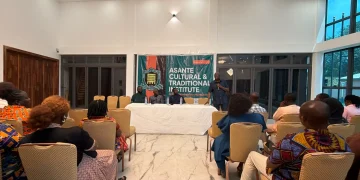
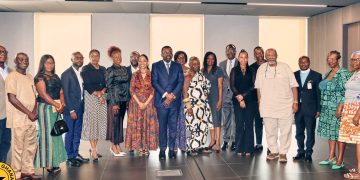
The meeting, which brought together traditional authorities, MMDCEs, Presiding Members, Coordinating Directors, Heads of Departments and Agencies, development partners and other stakeholders, also featured presentations on RCC monitoring results and gender-based violence.
The Regional Minister, in his concluding remarks, reminded the MMDCEs that their positions were a call to service rather than merely positions of authority, stressing that residents expected visible and measurable improvements in their communities.
He urged them to strengthen institutional collaboration, exercise effective leadership and ensure that government policies and development interventions translated into tangible benefits for the people of the Northern Region.
The meeting was the final Expanded RCC gathering for 2026 and provided a platform for stakeholders to assess regional development progress and identify priorities for 2027.
Source: www.kumasimail.com