




































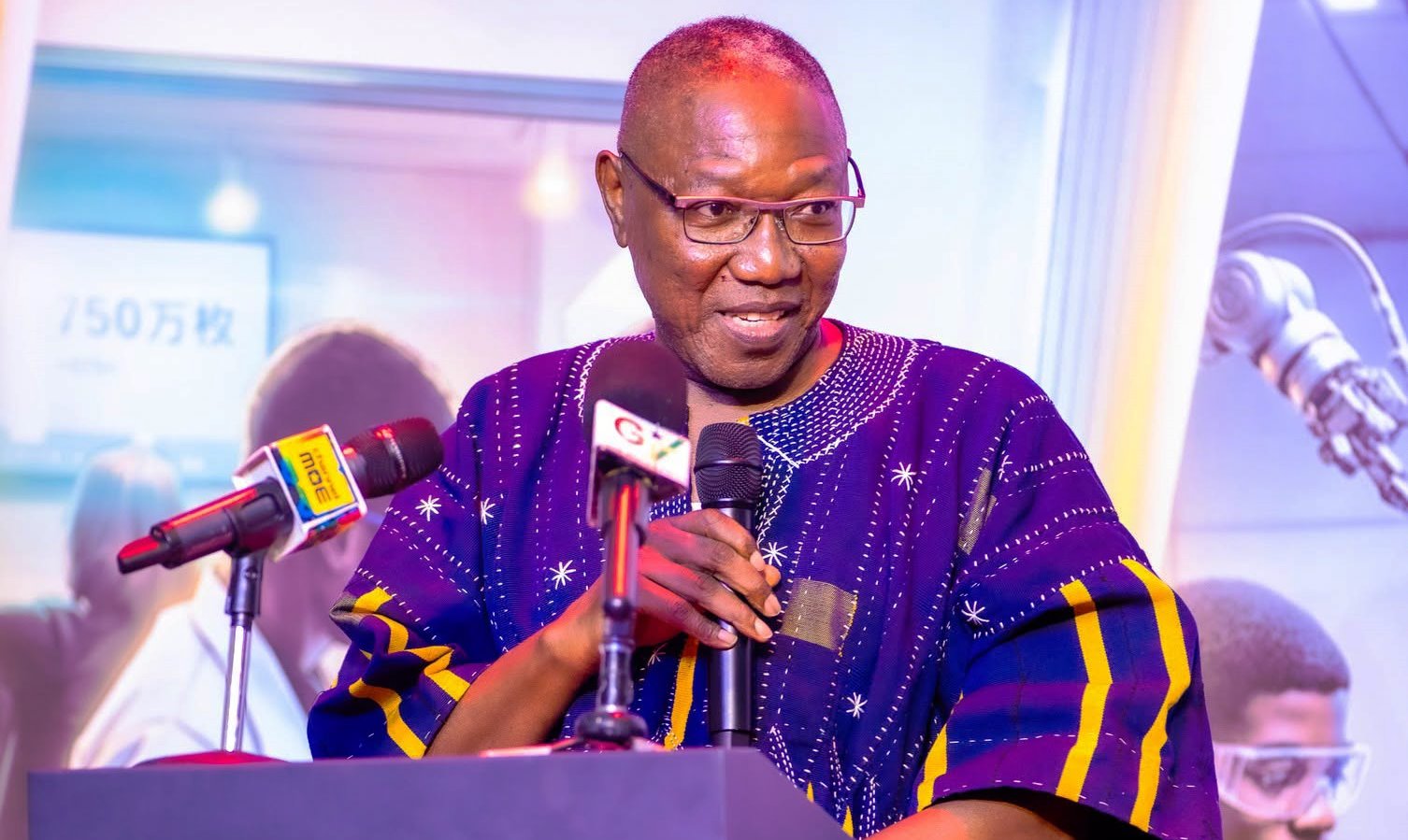
Deputy Minister of Education, Dr Clement Abas Apaak, has called on African countries to allocate at least two per cent of their Gross Domestic Product (GDP) to digital technology to accelerate the integration of Artificial Intelligence (AI) into education.


He said increased investment in digital infrastructure, data security and capacity development was critical to ensuring that African education systems could harness emerging technologies to improve teaching, learning, assessment and educational management.
Dr Apaak made the call at the closing ceremony of the 26th National Education Week and Evidence Summit in Accra, where discussions focused on the theme, “Harnessing Artificial Intelligence for Inclusive and Transformative Education in Ghana.”
His call comes as Ghana prepares to introduce Robotics, Coding, Artificial Intelligence and Electronics into the basic school curriculum, beginning from Kindergarten to Primary Six, as part of efforts to equip children with the competencies required in an increasingly technology-driven world.
Speaking at the opening ceremony, Minister for Education, Haruna Iddrisu, disclosed that the proposed curriculum revision would expose learners to emerging technologies from an early age.
He, however, clarified that the revised curriculum was yet to receive Cabinet approval.
The Minister emphasised that AI should complement teachers and improve learning outcomes rather than replace educators, cautioning against excessive dependence on technology at the expense of children’s critical thinking, creativity and problem-solving abilities.
Apaak identifies funding and infrastructure gaps
At the closing ceremony, Dr Apaak acknowledged the opportunities AI presents for transforming education but warned that poor digital infrastructure, limited internet connectivity, inadequate funding and ethical concerns could undermine efforts to integrate the technology effectively.
He stressed that Ghana and other African countries needed deliberate investments to build resilient digital systems and equip teachers and learners with the skills to navigate the changing educational landscape.
He also called for an inclusive approach to digital transformation, insisting that learners with disabilities and learning difficulties must not be excluded from the benefits of emerging technologies.
To translate the discussions and recommendations from the National Education Week into tangible outcomes, the Deputy Minister outlined three priority areas: improving learning outcomes, putting people at the centre of digital transformation, and strengthening implementation and accountability.
He urged education stakeholders to move beyond discussions and ensure that the recommendations generated during the week informed practical interventions and measurable improvements in the education sector.
Government signals 10,000 recruitment opportunities
Meanwhile, Mr Iddrisu disclosed that the 2027 Budget had made provision for 10,000 recruitment opportunities across the education sector.

The proposed recruitment will cover teaching and non-teaching personnel, as well as academic staff for universities, with financial provision made to support the exercise.
The announcement adds a human-resource dimension to the government’s broader education transformation agenda, particularly as the proposed integration of robotics, coding, AI and electronics into basic education will require teachers and other education professionals with the relevant competencies.
The 26th National Education Week and Evidence Summit brought together education stakeholders to examine how emerging technologies, particularly Artificial Intelligence, could be harnessed to improve educational delivery while ensuring equitable access and better learning outcomes.
The celebration provided a platform for policymakers, educators and other stakeholders to share evidence, exchange ideas and develop recommendations on the future direction of education in Ghana.
Its central message was the need to embrace technological innovation without losing sight of inclusion, effective teaching and the fundamental objective of improving learning outcomes.
Source: www.kumasimail.com