






































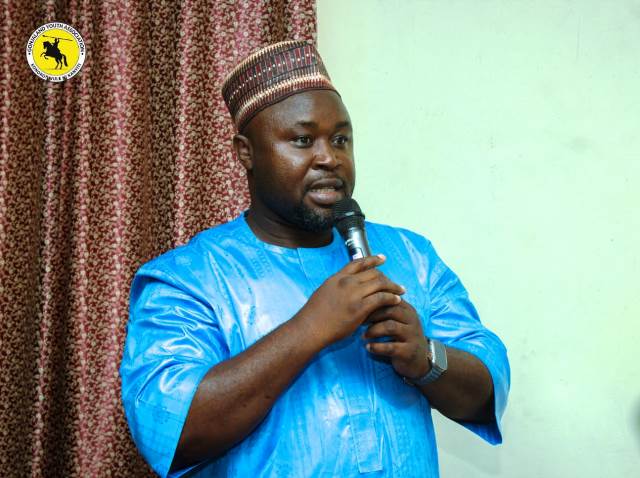
The Savannah Regional Minister, Salisu Be-Awuribe Issifu, has cautioned nursing and midwifery trainees against violating patients’ privacy by taking and sharing their photographs and videos on social media without consent.


He warned that such conduct could attract legal consequences and undermine public trust in healthcare professionals.
The Minister gave the caution while addressing newly matriculated first-year students of the Damongo Nursing and Midwifery Training College at their matriculation ceremony in Damongo.
He urged the trainees to uphold professional ethics, discipline and accountability, stressing that the professional oaths administered to them were solemn commitments that must guide their conduct throughout their careers.
According to him, the nursing profession demands confidentiality, compassion, vigilance and a high sense of responsibility, particularly when dealing with patients and their families.
“Those oaths are not just for fun. They are not just the window to admit you into this institution. But they are encouraging you to go by the requirements of the said oaths,” he said.
Mr Be-Awuribe Issifu further emphasised the importance of attentiveness during clinical practice, warning that lapses in duty, poor documentation and failure to properly hand over responsibilities could expose healthcare professionals to disciplinary and legal action.
He urged the students to remain vigilant and emotionally intelligent, explaining that healthcare professionals must often demonstrate greater patience and composure than patients and their relatives, who may be distressed by their circumstances.
Minister cautions against AI-generated medical misinformation
On the use of technology, the Minister encouraged the students to take advantage of the wealth of educational resources available online while exercising caution against misinformation, particularly AI-generated content that may present inaccurate medical procedures as established standards.

He also advised them to minimise distractions from mobile phones during clinical training, stressing that practical experience and close attention to patients were essential to developing competent healthcare professionals.
“You are not just studying to earn some money, but you are making a sacrificial job to save a life,” he said, adding that healthcare professionals serve as instruments through which lives could be saved.
He encouraged the students to appreciate the discipline and high standards demanded by their tutors, assuring them that the rigorous training they undergo would ultimately prepare them for the realities of professional practice.
Source: www.kumasimail.com