













The New Patriotic Party (NPP) in the Savannah Region has taken steps to rebuild its regional leadership ahead of the 2028 elections, but an emerging disagreement over the appointment of a Deputy Women’s Organiser has exposed an early test of cohesion within the newly constituted executive.


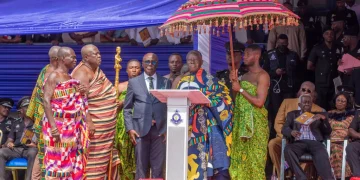
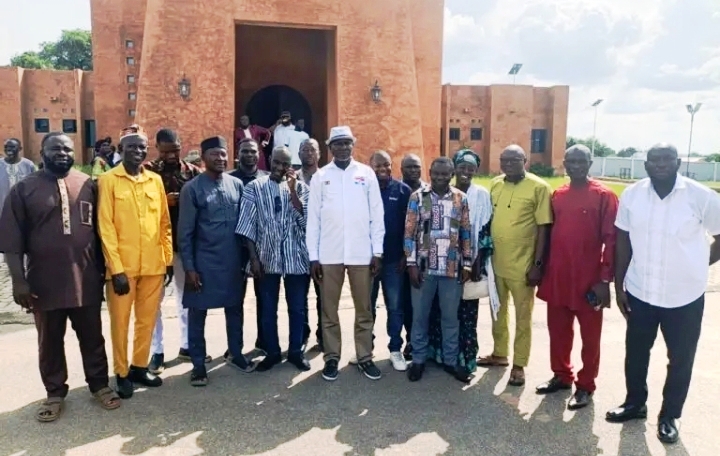
The dispute surfaced only 11 days after the election of new regional executives and came alongside the appointment and swearing-in of 10 additional officers to the Regional Executive Committee.
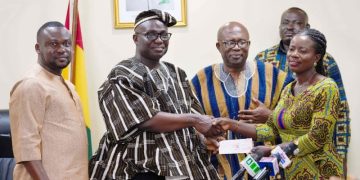
The appointments, announced on Thursday, August 27, 2026, were presented by Regional Chairman Alhaji Iddrisu Sulemana, popularly known as Professor Kalamonia, as part of efforts to broaden representation and strengthen the party’s structures across the region.
However, two separate lists of appointees circulated, with both agreeing on nine of the positions but naming different individuals for the Deputy Women’s Organiser position.
The list issued by the Regional Chairman named Hajia Ubeida Nurudeen as Deputy Women’s Organiser, while an earlier statement attributed to the elected Regional Executives named Sahada Alhassan for the same position.
The disagreement has introduced an element of uncertainty into what was otherwise being portrayed as a carefully negotiated effort to bring the various constituencies and groups within the region into the party’s new leadership structure.
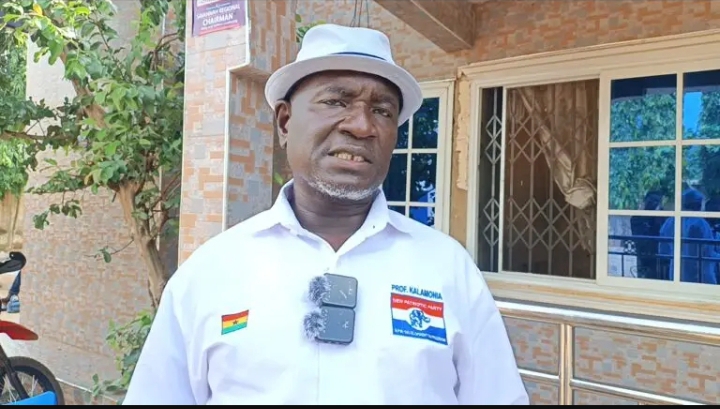
Professor Kalamonia said the appointments followed consultations among the newly elected executives and were intended to address gaps in representation created by the regional elections.
He said particular attention was paid to minority tribes, with four of the 10 appointed positions allocated to members of minority groups because only two members of the elected executive committee came from those communities.
More than 18 applications were reportedly received for the positions. The Regional Chairman said the executive committee scrutinised the applications, reached consensus on some positions and resorted to voting on others before approving the appointments.
The positions filled include PWD Coordinator, Deputy Nasara Organiser, Research Officer, Legal Officer, Financial Secretary, Deputy Women’s Organiser, Electoral Affairs Officer, Deputy Organiser, Deputy Youth Organiser and Special Duties Officer.
The appointments have consequently given the party a broader regional administrative structure, with positions distributed among constituencies including Bole-Bamboi, Yapei-Kusawgu, Damongo, Daboya-Mankarigu, Sawla-Tuna-Kalba, Salaga South and Salaga North.
Yet the dispute over the women’s portfolio suggests that representation alone may not be enough to guarantee cohesion within the new leadership.
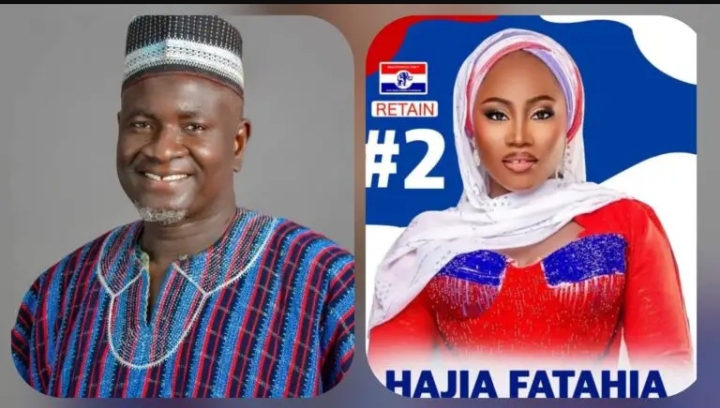
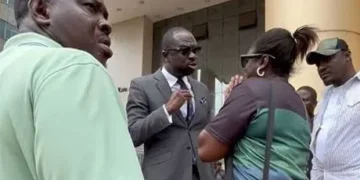
Sources indicate that Regional Women’s Organiser Hajia Fatahiya Mohammed objected to working with Hajia Ubeida Nurudeen and preferred Sahada Alhassan for the deputy position. Following the Chairman’s announcement, she is reported to have rejected his list and described it as “fake”.
The competing positions have not affected the other nine appointments, which remain identical in the two documents.
For the NPP, the immediate challenge will therefore be whether the disagreement can be contained before it develops into a wider confrontation within the regional executive.
The timing is significant. The new executives have been elected with the 2028 general election already emerging as their central political objective. Professor Kalamonia, during the swearing-in ceremony, explicitly urged the appointees to work for the party and its flagbearer, Dr Mahamudu Bawumia, rather than for individual interests.
“The target now is victory in 2028,” he stressed, urging the officers to demonstrate unity, commitment and hard work.
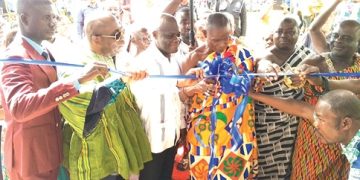
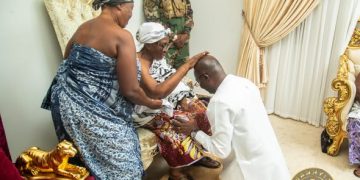
The new leadership has also begun projecting itself as a unified regional team. Following the swearing-in, the executives paid separate courtesy calls on the Damongowura, Seidu Kelly Braimah Boresa I, and the Yagbonwura, Bii-Kunuto Jewu Soale I, seeking their guidance and blessings.
Those engagements, together with the effort to spread appointments across constituencies and minority groups, point to an awareness within the NPP that rebuilding its regional political machinery will require broad participation and engagement beyond the elected executives.

But the conflicting appointment lists demonstrate that the new administration still has internal issues to resolve.
For a party seeking to regain political ground in 2028, the question is not simply whether it has filled its organisational positions, but whether those structures can operate with sufficient unity to coordinate grassroots mobilisation, candidate support and electoral strategy.
The Savannah Region will therefore provide an early test of the NPP’s organisational readiness. Its new leadership has moved quickly to establish a wider executive structure, but the dispute over one appointment shows that the harder task may be converting that structure into a cohesive political machine capable of delivering the unity and mobilisation required in 2028.
Source: www.kumasimail.com