




































Ghana has secured an additional GH¢4 billion in mining revenue following the introduction of a sliding-scale royalty regime, the Minister for Lands and Natural Resources, Emmanuel Armah-Kofi Buah, has disclosed.


The revised system, which adjusts royalty payments according to prevailing international gold prices, is aimed at ensuring that the country earns more from its mineral resources when market prices rise.
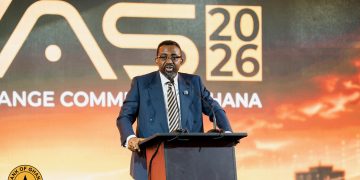
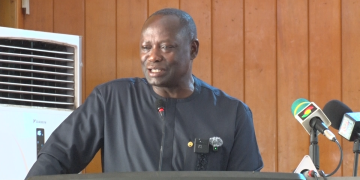
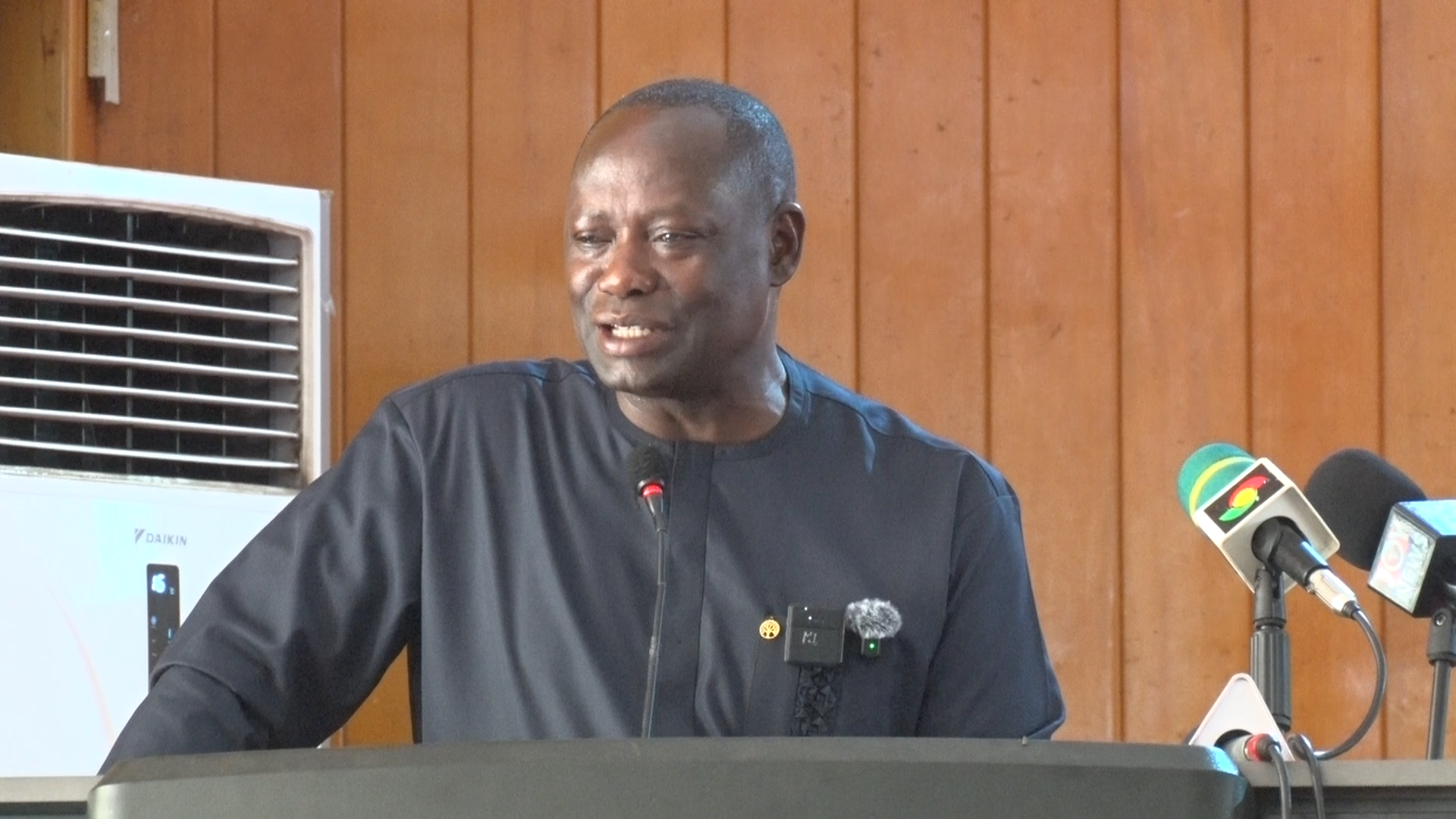
Speaking at the Kwame Nkrumah University of Science and Technology (KNUST) Extractive Summit, Mr Armah-Kofi Buah said the Minerals Income Investment Fund had reported GH¢7.82 billion in mining royalty receipts between January and September this year.
He attributed the additional revenue to the government’s decision to move away from the previous flat-rate royalty system, which he argued did not adequately reflect the gains mining companies made during periods of rising gold prices.
Under the former arrangement, mining companies paid royalties at fixed rates regardless of significant increases in international gold prices, limiting the state’s ability to benefit proportionately from higher mineral revenues.
The new regime, however, introduces royalty rates ranging from 5 to 12 per cent, depending on gold prices, allowing government revenue to increase when market conditions are favourable and the rate to adjust when prices decline.
“Some of you will become valuable, and I want to bring some numbers that are so important to me on royalties. The Minerals Income Investment Fund has just reported that GH¢7.82 billion in royalty receipts between January and September this year has been received. Guess what we have received? GH¢3 billion. That decision has saved Ghana GH¢4 billion,” he stated.
The Minister acknowledged that the policy faced resistance from some international stakeholders, who expressed concerns that higher royalty rates could discourage investment in Ghana’s mining industry.
However, he maintained that the government relied on industry data and international best practices in reviewing the regime, insisting that the revised system allows mining companies to remain profitable while ensuring the country receives a fairer share of its mineral wealth.
Mr Armah-Kofi Buah urged students, particularly those pursuing engineering and extractive industry-related programmes, to appreciate the role of sound policy decisions and technical expertise in maximising the benefits of Ghana’s natural resources.
Drawing lessons from the country’s oil and gas sector, he highlighted the importance of the Petroleum Revenue Management Act and the Local Content Act in promoting transparency and creating opportunities for Ghanaian businesses and professionals.
He also cited the establishment of the Atuabo Gas Processing Plant as an example of how strategic investments and difficult policy decisions could reduce dependence on imported fuel and increase the utilisation of locally produced gas.
Addressing the students, the Minister challenged them to develop the skills and expertise needed to contribute meaningfully to Ghana’s extractive industry.
He stressed that the success of natural resource management should not be measured solely by revenue generated but also by its impact on citizens through job creation, access to clean water, skills development and the growth of indigenous businesses.
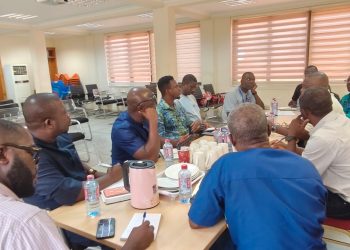
The summit, held under the theme, “From Rocks to Resources, to Results: Leading Ghana’s Extractive Future,” brought together students from the College of Engineering and other faculties of KNUST.
Editorial note: The GH¢7.82 billion, GH¢3 billion and GH¢4 billion figures have been retained as provided. Before publication, it would be advisable to clarify the precise meaning of the GH¢3 billion figure in the Minister’s quotation and independently confirm the royalty receipts with the Minerals Income Investment Fund.
Source: www.kumasimail.com