









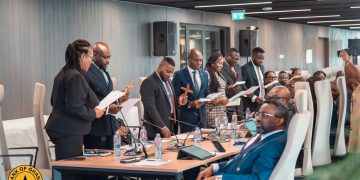






















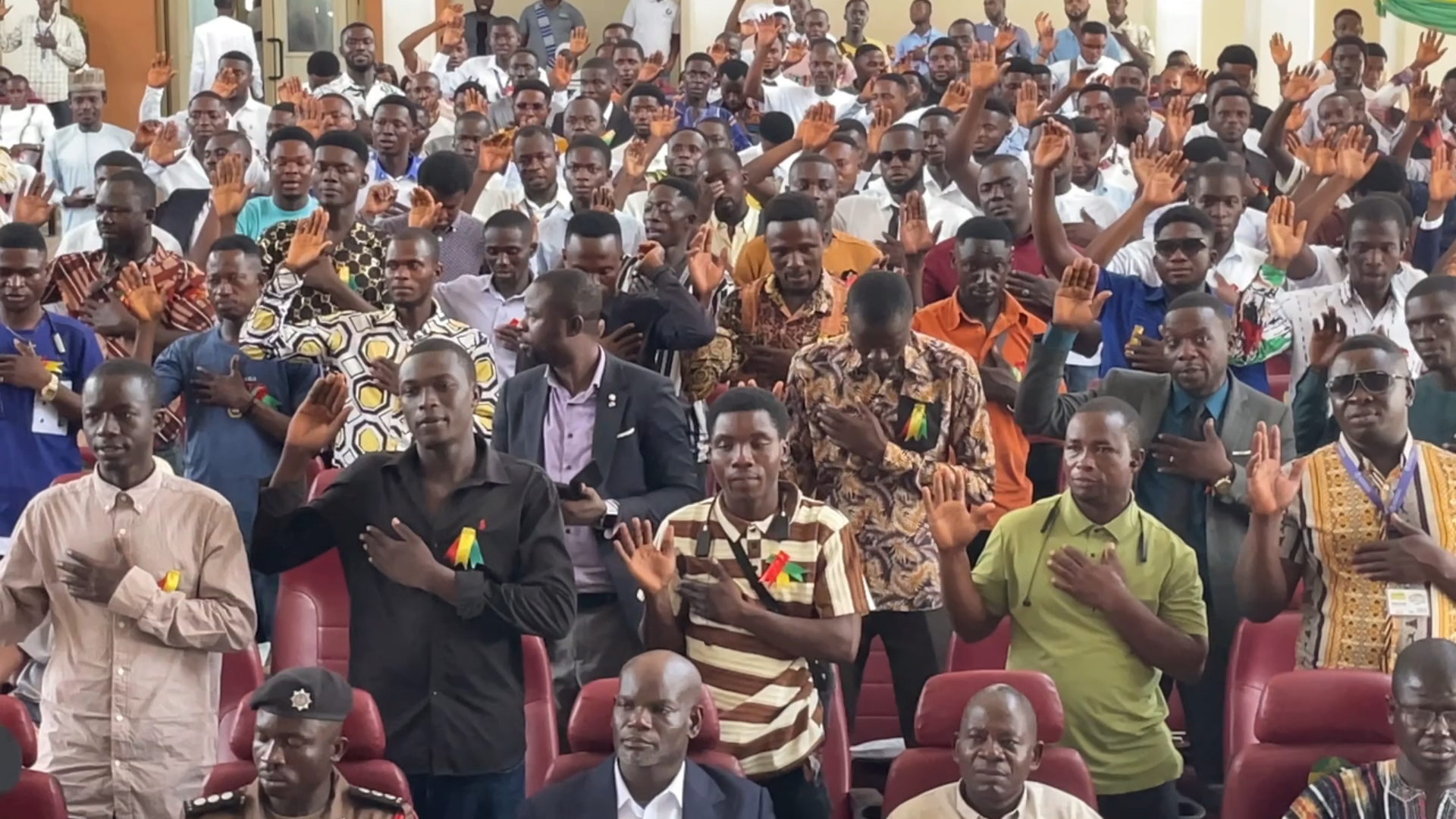
The Energy Commission of Ghana has graduated a new cohort of certified electricians at its 24th graduation ceremony held in Kumasi, as part of ongoing efforts to professionalize electrical installation and enhance safety standards nationwide.


The ceremony took place on Tuesday, April 28, 2026, at the Prempeh Assembly Hall and brought together trainees from the Ashanti, Bono, and Bono East regions.
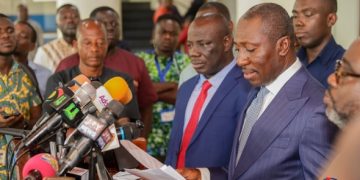
Speaking at the event, Senior Officer for Inspection and Enforcement at the Commission, Kojo Ebenezer Asaam, described the certification programme as a critical component of compliance and quality assurance within Ghana’s power distribution value chain.
He disclosed that since the programme’s inception in 2013, more than 18,000 electricians and inspectors have been trained and certified across the country.
Mr. Asaam explained that the initiative was introduced in response to a rise in electrical fire incidents, largely attributed to substandard workmanship and the activities of unlicensed practitioners. He noted that the Commission, backed by statutory mandates, is responsible for training, examining, certifying, and licensing electricians to ensure strict adherence to national wiring regulations and international safety standards.
“The certification process is not merely academic; it is a competency-based assessment designed to ensure that practitioners meet the requisite technical standards, operational safety benchmarks, and industry best practices,” he said.
According to him, the programme forms part of broader efforts to sanitise the electrical installation sector, reduce technical losses, and minimise fire outbreaks linked to faulty wiring and non-compliant installations.
Highlighting gender inclusion in the technical field, the Overall Best Graduating Student, Maame Afua Gyapomaa Oppong, called for increased female participation in technical and vocational education and training (TVET).
She noted that although the electrical trade has traditionally been male-dominated, it offers significant economic and professional opportunities for women.
Her remarks align with national initiatives aimed at bridging the gender gap in science, technology, engineering, and mathematics (STEM) and promoting inclusive workforce development in Ghana’s energy sector.
The Energy Commission reaffirmed its commitment to collaborating with training institutions and industry stakeholders to strengthen capacity building, enforce licensing regulations, and ensure a safer and more resilient electrical infrastructure across the country.
Source: www.kumasimail.com