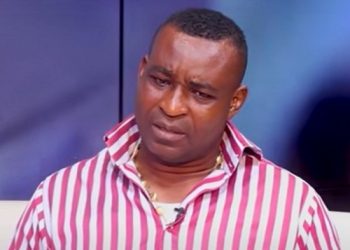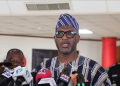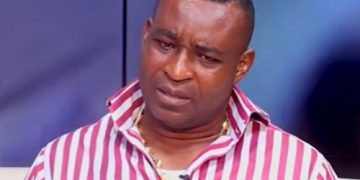












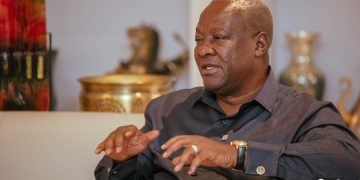


Chairman Bernard Antwi Boasiako, popularly known as Chairman Wontumi, has called for comprehensive reforms in Ghana’s prison system, including the establishment of a dedicated prison hospital, improved welfare for prison officers, regulated conjugal visits and better classification of inmates.


The appeal was contained in a press statement issued on Tuesday by Dr. Palgrave Boakye-Danquah, spokesperson to the embattled New Patriotic Party (NPP) Ashanti Regional Chairman, who said he had consistently visited Mr. Boasiako since his remand on July 20, 2026.
According to the statement, Mr. Boasiako’s experience in custody has prompted deep reflection on the state of Ghana’s correctional facilities, the welfare of inmates and prison officers, and the need to transform the system from one focused primarily on punishment to one that promotes rehabilitation, welfare and productivity.
He is quoted as saying that “not all prisoners are prisoners”, stressing the need for a more humane and effective correctional system.
Call for dedicated prison hospital
A major concern raised in the statement is the state of healthcare in the country’s prisons.
Mr. Boasiako reportedly observed that many facilities lack dedicated, well-equipped hospitals, ambulances and standby generators, making it difficult to provide adequate emergency and routine medical care to inmates.
The statement also raises concerns about inmates suffering from serious and infectious diseases, including tuberculosis, who are allegedly accommodated alongside healthy prisoners.
He has therefore called on the government to construct an ultra-modern prison hospital to serve correctional facilities across the country.
As an interim measure, he proposed formal emergency referral arrangements with the 37 Military Hospital and the Police Hospital to ensure that critically ill inmates receive timely medical attention.
Concerns over overcrowding and inmate classification
The former prisoner, according to the statement, also called for a comprehensive classification system to separate inmates based on the nature of their alleged offences, security risks and individual circumstances.
He expressed concern that minor offenders could be housed alongside armed robbery convicts, while persons standing trial for serious offences, including treason and terrorism, could be held with ordinary inmates.
The statement argues that such arrangements could create security risks and undermine rehabilitation efforts.
Mr. Boasiako also called for improved counselling and behavioural support for inmates, particularly young people, alongside appropriate accommodation arrangements.
On issues relating to LGBTQI+ persons in custody, he urged the authorities to establish a clear policy on classification and management, with appropriate safeguards for inmates.
Advocates private family visitation areas
Mr. Boasiako further proposed the establishment of designated private visitation areas where inmates could spend regulated time with their spouses and children.
He argued that imprisonment should not unnecessarily undermine family relationships, noting that the consequences of incarceration often extend to spouses and children who have not committed any offence.
According to the statement, structured family visitation could help preserve marriages, reduce tensions within prisons and support inmates’ eventual reintegration into society.
Calls for improved officers’ welfare and prison agriculture
The statement also highlights concerns about the remuneration, accommodation and general conditions of service of officers of the Ghana Prisons Service.
Mr. Boasiako has urged the government to review their welfare packages and provide the resources necessary for them to perform their duties effectively.
On agriculture, he reportedly observed that the Prisons Service has access to extensive land and skilled labour but lacks adequate equipment to maximise its farming potential.
He appealed to the Ministry of Food and Agriculture to support prison farms with tractors and other agricultural machinery to improve food production and make the facilities more productive.
Parliament urged to lead reform agenda
Mr. Boasiako has made a special appeal to Parliament to take the lead in advancing prison reform, describing legislative action and adequate funding as essential to achieving meaningful change.
He called on the Speaker of Parliament to initiate a national conversation on prison reform, framing the issue as both a human rights concern and a matter of national development.
He also urged the Majority and Minority caucuses to work together to pass a new Prison Reform Act and secure budgetary allocations for healthcare, ambulance services, standby generators and agricultural equipment.
The statement further called on the Parliamentary Select Committees on Defence and Interior, Health, and Food and Agriculture to undertake working visits to prisons across the country to assess conditions firsthand.
Mr. Boasiako believes that bipartisan cooperation among the Speaker, Majority and Minority caucuses is necessary to deliver the legal and financial changes required to improve the correctional system.
Calls for infrastructure investment
The statement alleges that Ghana’s prison infrastructure has experienced limited structural improvement since 1962, apart from selected developments, including water production.
It calls on the government and private sector to invest in modern correctional facilities and factories that can support vocational training, employment and productive activities for inmates.
Mr. Boasiako also proposed greater collaboration between the Prisons Service and other justice sector institutions, suggesting that regional prison commanders should participate in jury-related and broader justice deliberations.
He argued that the work of the correctional system becomes particularly important after a court delivers its judgment, when rehabilitation and reintegration efforts must begin.
Ghana urged to lead prison reform in Africa
Looking beyond Ghana, Mr. Boasiako called for a broader transformation of correctional institutions across Africa, including reconsideration of the terminology used to describe prisons.
He expressed the hope that Ghana could become a model for prison reform on the continent.
Reflecting on his experience since July 20, 2026, he said: “At this experience since July 20th till date, prison doesn’t reform as it should be. I pray that the entire Africa will learn from Ghana.”
The statement concluded with an appeal to the Speaker of Parliament, the Majority Leader, the Minority Leader, the Attorney-General, the Chief Justice and the government to prioritise the welfare of inmates and prison officers.
Dr. Boakye-Danquah said Mr. Boasiako remained in high spirits despite his incarceration.
The proposals, if adopted, would require coordinated action by the government, Parliament, the judiciary and relevant public institutions to address the concerns raised about healthcare, overcrowding, infrastructure, inmate welfare and rehabilitation.