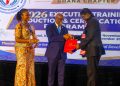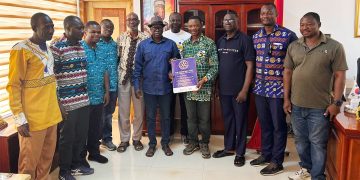

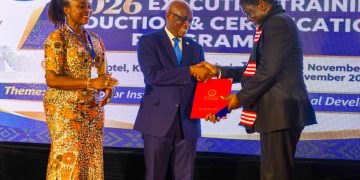

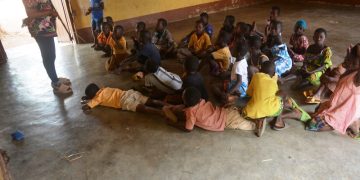


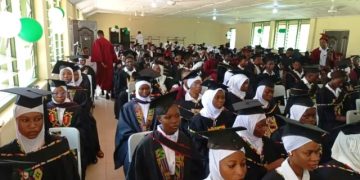


















Rotary International is seeking a stronger partnership with the Upper East Regional Coordinating Council (RCC) to scale up development interventions in the region, following the implementation of projects including more than 70 boreholes, 300 micro-flush toilets and the distribution of over 200 school desks.


The proposed partnership is expected to strengthen collaboration between the global volunteer organisation and government institutions in addressing critical development challenges, particularly water access, sanitation, education and healthcare.
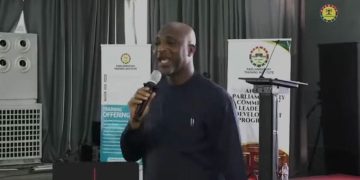
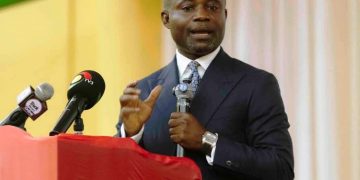
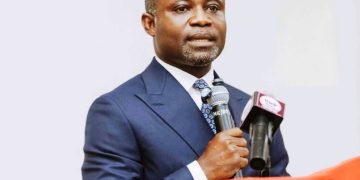
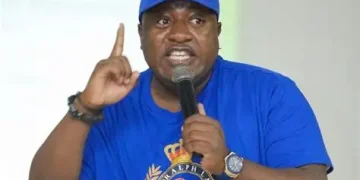
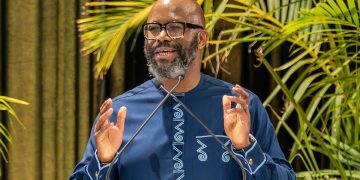
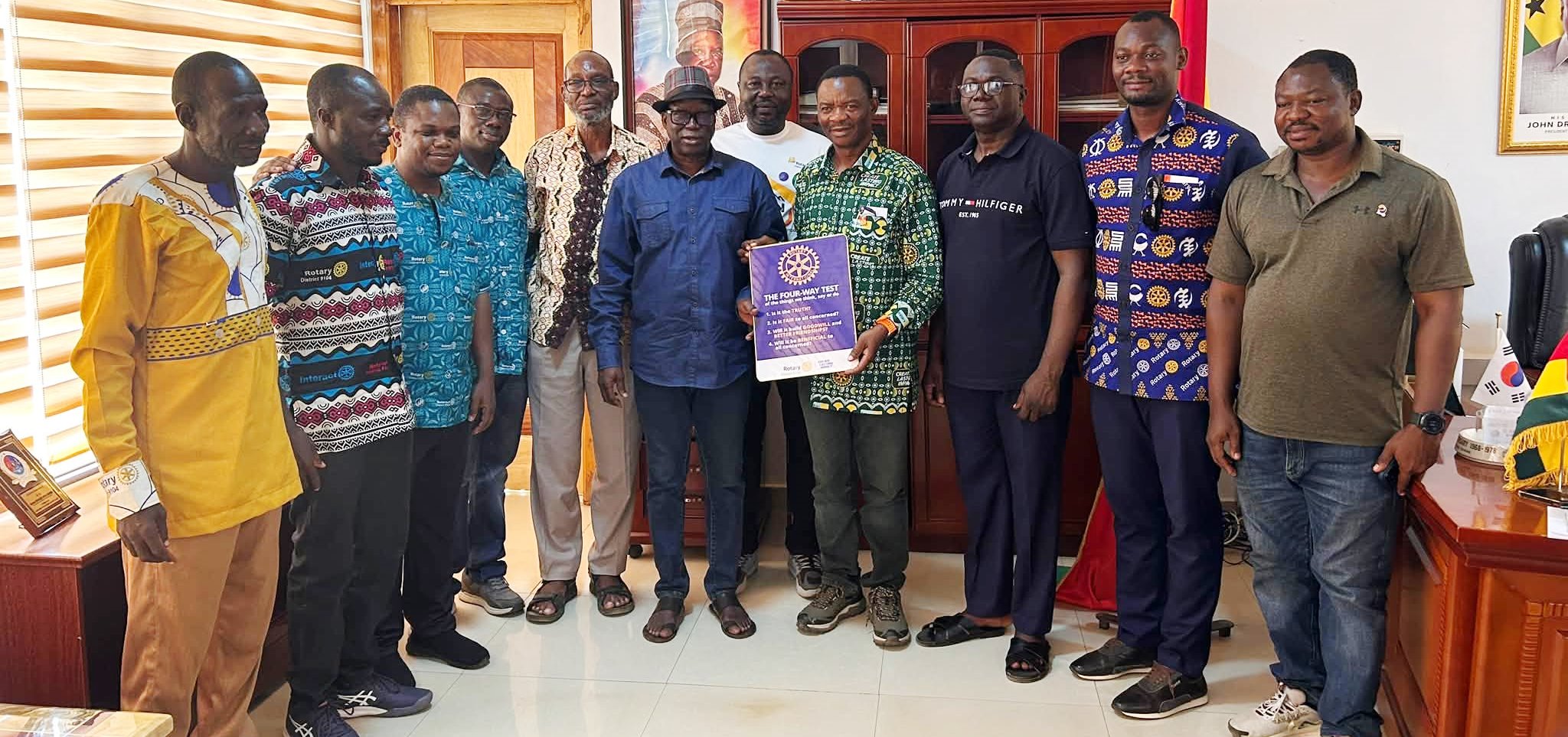
The District Governor of Rotary International, Dr Jack Andrews Dotsey, made the appeal during a courtesy call on the Upper East Regional Minister, Hon. Akamugri Donatus Atanga, in Bolgatanga.
He said Rotary was interested in deepening its engagement with the RCC to identify community needs and implement interventions that would complement government development programmes.
Dr Dotsey, who described Rotary as a global organisation with approximately 1.2 million members, said its activities were guided by the principle of Service Above Self, with a focus on improving human security and addressing pressing community challenges.
Its development priorities, he explained, included disease prevention, water and sanitation, community and economic development, peacebuilding, education, maternal and child health, and environmental protection.
He cited Rotary’s contribution to the global fight against polio, noting that the organisation had helped achieve more than 99 per cent progress towards eradicating the disease since committing to the campaign in 1978.
In Ghana, Rotary has approximately 2,100 members operating through 71 clubs, including the Bolgatanga Goodwill Rotary Club.
The club’s president, Dr Benjamin Apam, said it had been operating in the Upper East Region since 2011 and had undertaken several interventions in education, water and healthcare.
He disclosed that the club had distributed more than 200 desks to schools, constructed over 70 boreholes, including 10 mechanised facilities, and provided 300 micro-flush toilets in communities.
It had also supported healthcare delivery through donations of medical supplies to medical stores.
Dr Apam said the club relied on needs assessments to identify community challenges and ensure that its interventions addressed actual needs.
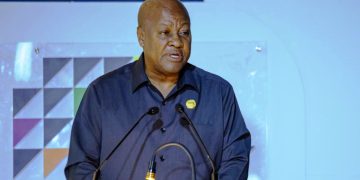
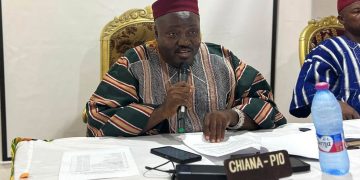
Responding, Regional Minister Akamugri Donatus Atanga welcomed Rotary’s proposed partnership, commending the organisation for its contributions to national development, particularly its role in the fight against polio and Guinea worm in northern Ghana.
He identified sanitation as a major development priority and said Rotary’s micro-flush toilet technology could offer an opportunity for Metropolitan, Municipal and District Assemblies (MMDAs) to address inadequate toilet facilities in schools and communities.

The Minister said the RCC was interested in exploring areas where Rotary’s interventions could complement the government’s PEARL programme.
He indicated that the RCC’s technical team would engage the organisation to identify practical areas of collaboration, urging Rotary to develop bankable projects capable of attracting funding and delivering sustainable improvements in people’s welfare.
Dr Dotsey also appealed to the Regional Minister to support the establishment of a Rotary Club within the RCC to enable staff to participate directly in community development initiatives.
He praised the Minister’s leadership, describing him as “one of a kind politician in the country,” and expressed appreciation for the opportunity to engage with the Regional Coordinating Council.
Source: www.kumasimail.com