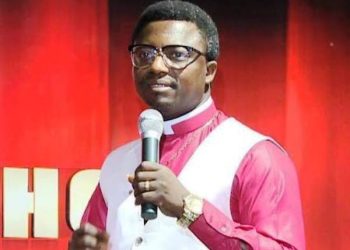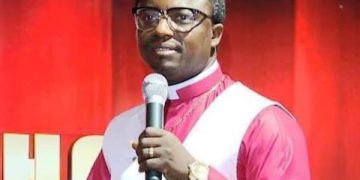































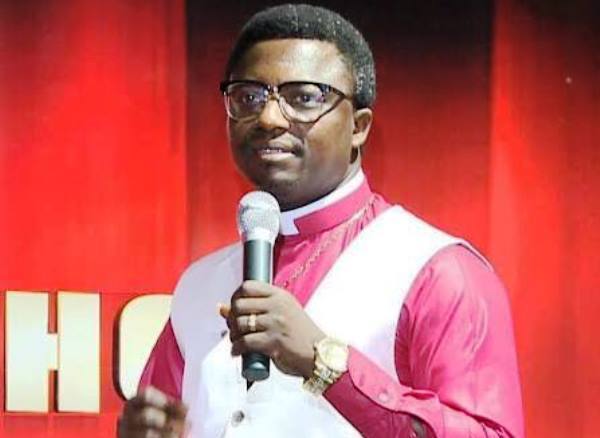
Kumasi-based preacher and leader of Ebenezer Miracle Worship Centre, Prophet Ebenezer Opambour Adarkwa Yiadom, popularly known as the Nation’s Prophet, has thrown his weight behind Rev. Mensa Otabil in the growing controversy over the credibility of Ghana’s prophetic ministry, declaring that the ICGC founder was right in his assessment of some people parading themselves as prophets.


Prophet Opambour’s intervention puts him at odds with fellow preacher Prophet Isaac Owusu Bempah, who has strongly criticised Rev. Otabil over his remarks that many self-acclaimed prophets in Ghana are not genuinely born again and engage in questionable spiritual practices.
Speaking in Twi on his television station, Prophet1TV, Prophet Opambour endorsed Rev. Otabil’s position, insisting that genuine prophets should have no reason to feel offended by comments exposing misconduct within the prophetic ministry.
His position challenges the backlash against Rev. Otabil and reinforces calls for greater scrutiny of individuals whose activities, according to the ICGC founder, are undermining the credibility of Christianity.
The controversy erupted after Rev. Otabil, during a church service, criticised people who identify themselves as prophets but allegedly engage in occultism, spiritism, necromancy and other practices inconsistent with Christian teachings.
Although Rev. Otabil did not specifically mention any preacher, his remarks drew a strong reaction from Prophet Owusu Bempah, founder and leader of Glorious Word Power Ministries International.
Prophet Owusu Bempah challenged Rev. Otabil’s assessment, accusing him of unfairly generalising about prophets and subsequently threatening to make revelations about the ICGC founder.

He went on to make several personal allegations against Otabil, including claims concerning alleged spiritual practices and the conduct of individuals reportedly associated with his ministry. Those allegations have not been independently substantiated.
However, Prophet Opambour has now added his voice to the debate, siding with Rev. Otabil and questioning why genuine ministers should feel threatened by criticism directed at those whose conduct brings the prophetic ministry into disrepute.
His intervention has further widened the conversation beyond the disagreement between the two prominent preachers, raising questions about accountability and the responsibility of religious leaders to confront questionable practices within their ranks.
Meanwhile, Rev. Otabil has urged Christian ministers not to allow criticism and personal attacks to distract them from their calling. In a subsequent sermon, he advised ministers against responding to critics from the pulpit, although he did not mention Prophet Owusu Bempah by name.
Source: www.kumasimail.com