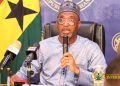




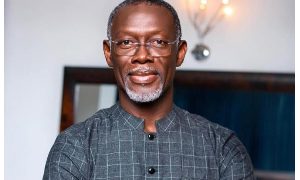








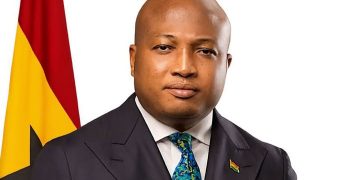



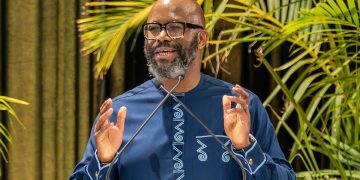



Founder and Leader of the All People’s Congress (APC), Dr. Hassan Abdulai Ayariga, has called on the government to prioritise job creation, local enterprise development, infrastructure and public financial accountability in the 2027 National Budget.


He said although the National Democratic Congress (NDC) government had made some progress in stabilising the economy in 2026, significant challenges remained in translating macroeconomic improvements into better living conditions for ordinary Ghanaians.
In a national economic and governance assessment released in Accra on November 10, ahead of the presentation of the 2027 Budget on Thursday, November 12, Dr. Ayariga acknowledged improvements in inflation, revenue mobilisation and fiscal management.
He noted that the government’s fiscal consolidation efforts had contributed to a reduction in the fiscal deficit during the first half of 2026 compared with the corresponding period in 2025. He also acknowledged the recording of a primary fiscal surplus during the period.
However, he cautioned that lower inflation and improved economic indicators did not necessarily mean that households were experiencing reduced living costs or improved purchasing power.
According to him, the success of the government’s economic policies must ultimately be measured by their impact on employment, household incomes, public services and business opportunities.
Concerns over budget implementation
Dr. Ayariga expressed concern about the gap between approved budget allocations and actual government expenditure, citing Bank of Ghana reporting that total government expenditure in the first half of 2026 was approximately 24.9 per cent below its programmed target.
He said the expenditure shortfall, alongside lower-than-programmed capital expenditure, raised questions about the timely release of funds to ministries, departments and agencies.
He called on the Minister of Finance, Dr. Cassiel Ato Forson, to publish a comprehensive report detailing the amounts allocated, released and spent by each ministry during the year.
He argued that delays or insufficient funding could affect the implementation of essential programmes in healthcare, education, agriculture, road construction, water supply and district-level development.
While acknowledging that expenditure shortfalls could result from revenue constraints, procurement challenges, delayed project implementation or savings in interest payments, he maintained that fiscal discipline should not become an excuse for neglecting essential public services.
Demands evidence of jobs created under 24-hour economy
The APC leader also questioned the implementation and measurable outcomes of the government’s flagship 24-hour economy programme.
Although he acknowledged the government’s investment agreements and reports that some businesses had introduced additional operating shifts, he said questions remained about the actual number of jobs created.
He pointed to acknowledgements by officials associated with the programme in October 2026 that a comprehensive verified figure for jobs created was not yet available.
Dr. Ayariga said the programme required more than extending business operating hours, stressing the importance of reliable electricity, affordable financing, industrial infrastructure, transportation, security and access to markets.
He urged the government to publish a comprehensive implementation report outlining actual investments, financing disbursements, operational projects, jobs created and increases in production.
He further called for clear explanations of how the proposed US$10 billion New Economy programme would differ from the existing 24-hour economy initiative and how the two programmes would contribute to Ghana’s industrial transformation.
Calls for greater Ghanaian ownership
On foreign investment, Dr. Ayariga said Ghana needed international partnerships, technology and capital but cautioned against excessive foreign ownership and control of strategic industries.
He called for a national review of major strategic concessions and public-private partnership agreements to establish their beneficiaries, duration, financial obligations, expected revenue and commitments to Ghanaian employment and participation.
He emphasised that foreign investment should strengthen the domestic economy through transparent procurement, technology transfer and meaningful opportunities for local businesses and workers.
He also urged the government to introduce measures that would enable Ghanaian entrepreneurs to access long-term financing, industrial land, affordable electricity, equipment and major procurement opportunities.
According to him, developing competitive Ghanaian enterprises should be central to the country’s long-term economic transformation.
Agriculture, water supply and cost of living
Dr. Ayariga identified agriculture as another critical area requiring increased government attention.
He said farmers continued to face challenges relating to irrigation, mechanisation, storage, transportation, financing and access to markets.
He therefore urged the government to prioritise irrigation systems, agricultural machinery, rural roads, storage facilities and domestic food-processing industries in the 2027 Budget.
He also raised concerns about Ghana’s water supply challenges, calling for a properly costed national water security programme.
He specifically urged the government to assess the reported US$60 million emergency financing requirement for Ghana Water Limited and address ageing pipelines, water losses and the maintenance of existing treatment facilities.
On household welfare, he said economic stabilisation must translate into improvements in incomes and affordability, particularly in transportation, housing, utilities, education and healthcare.
Proposes seven development priorities
As an alternative approach to the 2027 Budget, the APC leader proposed seven national development priorities.
These include productive employment, Ghanaian enterprise development, reliable infrastructure, agricultural transformation, public financial accountability, strategic resource governance and measurable government performance.
He called for quarterly reports on budget releases, government expenditure, completed projects and outstanding financial obligations.
He also proposed that major national programmes be required to publish their objectives, funding arrangements, implementation timelines and independently verifiable results.
Puts questions to Mahama and Finance Minister
Ahead of the budget presentation, Dr. Ayariga posed 10 questions to President John Dramani Mahama and the Finance Minister, Dr. Cassiel Ato Forson.
Among other things, he wants the government to disclose how much of the 2026 approved budget has been released to each ministry, the number of sustainable jobs created under the 24-hour economy and the amount of announced investment that has translated into operational projects.
He also wants clarification on the differences between the New Economy programme and the 24-hour economy, safeguards for Ghanaian participation in strategic concessions, completed infrastructure projects and measures to address the country’s water supply challenges.
He said the government must also explain how the 2027 Budget would translate economic stability into improved living standards for citizens.
Dr. Ayariga stressed that his assessment was not intended to dismiss the government’s achievements but to encourage transparency and accountability in the management of national resources.
He urged the NDC government to use the 2027 Budget as an opportunity to address implementation gaps and place employment, domestic enterprise development, infrastructure and agricultural productivity at the centre of its economic agenda.
“The success of government must ultimately be measured by the welfare of the people,” he said.
He concluded by calling for an economy in which Ghana produces more, creates more jobs and expands national ownership of economic opportunities for the benefit of present and future generations.
Source: www.kumasimail.com