




































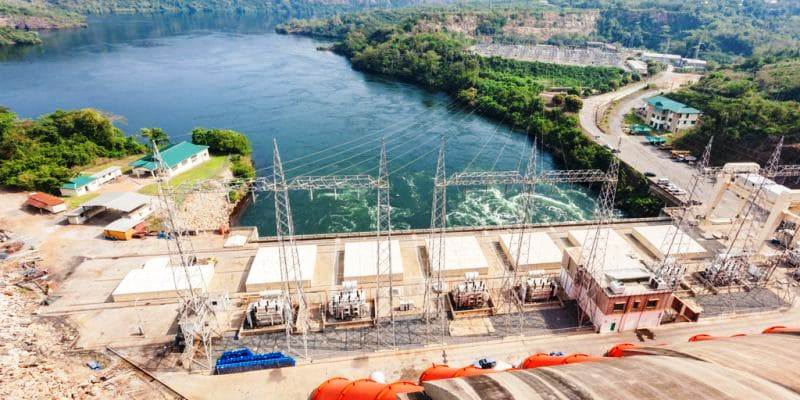
Government has committed US$1 billion to the Pwalugu Multipurpose Dam project, with plans to irrigate more than 25,000 hectares of farmland, generate 70 megawatts of electricity and expand aquaculture along the White Volta corridor.


The commitment, announced by Finance Minister Dr Cassiel Ato Forson in the 2027 Budget, places the long-awaited project at the centre of government’s drive to expand commercial agriculture, strengthen food security and promote agribusiness.
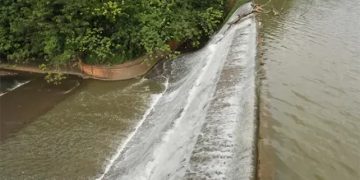
The dam, located in the Upper East Region, is expected to support year-round vegetable production by providing irrigation water to farmers who currently depend heavily on rainfall.
Under the plan, the reservoir will also accommodate 1,000 fish cages for aquaculture, creating opportunities for fish production and related businesses.
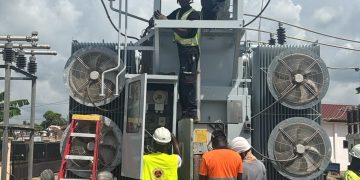
Government says the project will support flood protection, water security and agricultural development across the White Volta corridor, while its 70MW hydropower component will supply electricity to agro-industries within and around the Pwalugu enclave.
The electricity is expected to support processing factories, irrigation systems, packhouses and cold storage facilities, potentially helping farmers reduce post-harvest losses and add value to their produce closer to production centres.
The government has set early 2029 as the target for completion of the first phase, with the entire project expected to be completed by December 2030.
The proposed investment is significant for the Upper East Region, where agriculture remains a major source of livelihood and access to irrigation could reduce the vulnerability of farmers to erratic rainfall and prolonged dry seasons.
Beyond crop production, the project could stimulate employment in fish farming, food processing, transportation, storage and agricultural services.

However, the scale of the commitment raises important questions about financing, construction timelines, land acquisition, resettlement and the arrangements for ensuring that local farmers benefit from the irrigation infrastructure.
The budget does not provide a detailed annual financing schedule for the US$1 billion commitment or explain how the project will be phased to meet the stated deadlines.
The effectiveness of the project will also depend on whether farmers have access to affordable inputs, machinery, credit, extension services and reliable markets for the increased production.
The Pwalugu project is part of government’s wider US$3 billion commercial agriculture pillar, which includes interventions in rice, poultry, aquaculture, oil palm, vegetables and other agricultural value chains.
For communities along the White Volta corridor, the promise is considerable. But the real test will be whether the proposed dam moves beyond repeated plans and becomes functioning infrastructure capable of transforming agricultural production and livelihoods.
Source: www.kumasimail.com