





































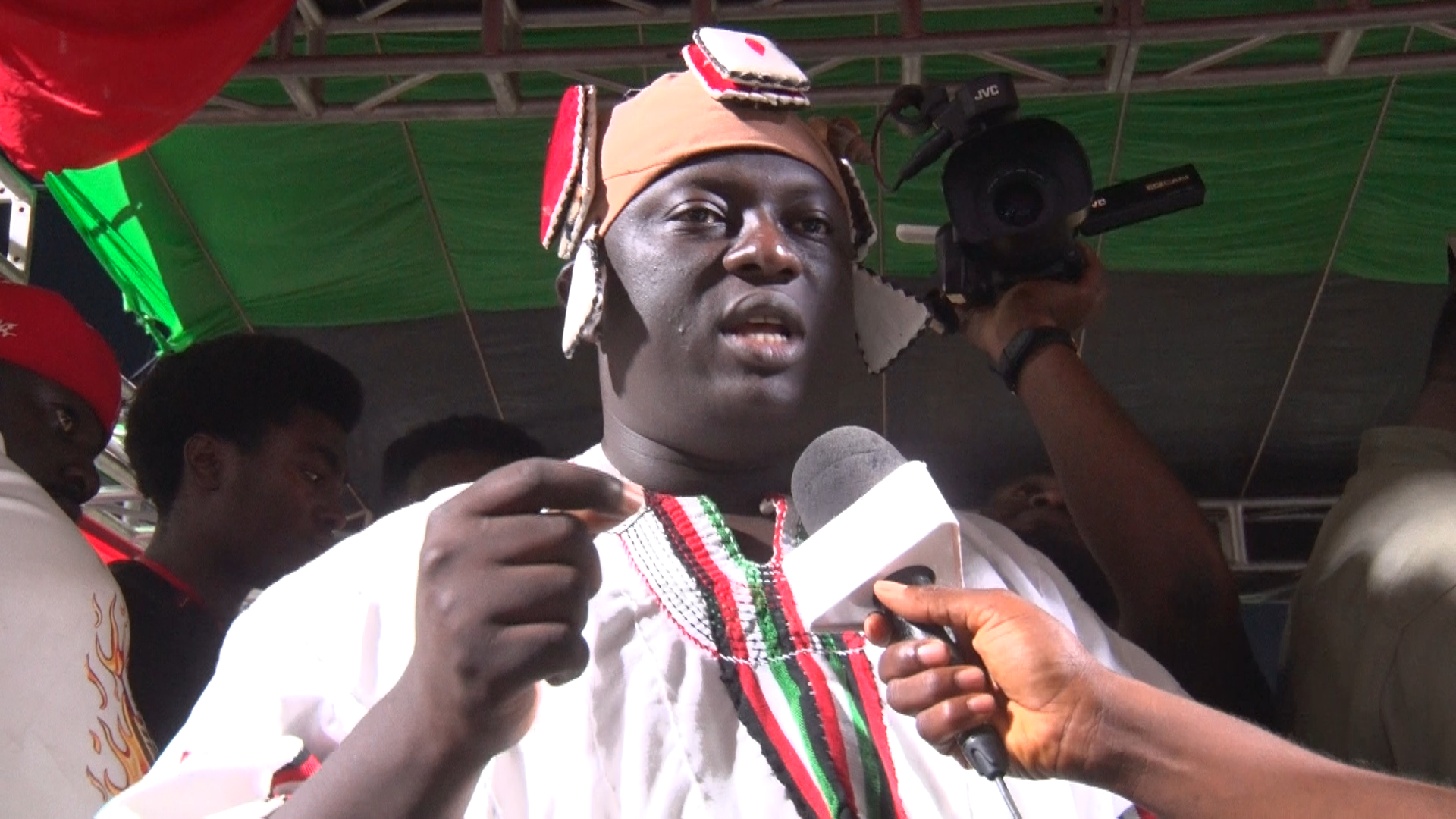
The newly elected Ashanti Regional Communications Officer of the National Democratic Congress (NDC), Mahmud Kabore, has announced plans to expand the party’s communication strategy by empowering grassroots members and departmental heads to effectively communicate its policies and achievements ahead of the 2028 general elections.


He said the party was shifting towards a bottom-up communication approach that would move beyond relying solely on regional, constituency and branch communication officers to involve a broader network of grassroots communicators.
Speaking in an exclusive interview with Kumasi Mail after his election as the Ashanti Regional Communications Officer, Mahmud Kabore explained that the initiative would focus on building the capacity of party members at the branch and constituency levels to effectively engage communities. https://kumasimail.com/mahmoud-kabore-elected-ndc-ashanti-regional-communications-officer/
According to him, the party intends to identify and equip individuals with the ability to communicate its message, regardless of their official positions within the party.
“We are now focusing on a bottom-up communication strategy. We are building the capacity of our grassroots communicators. More importantly, we are widening the scope,” he said.
He explained that women organisers, branch executive members, constituency caucus members and other departmental heads would be encouraged and empowered to serve as communicators for the party.
“There is the possibility of a woman organiser at the branch who can communicate. There is also the possibility of a branch executive member who can communicate and a constituency caucus member who can reach people in grassroots communities,” he stated. https://kumasimail.com/mahmud-kabore-picks-ndc-ashanti-regional-communication-officer-nomination-forms/
The NDC Communications Officer stressed that the NDC would no longer depend exclusively on communication officers but would create opportunities for other party members with the requisite communication skills to contribute to its messaging.
“We are not just going to rely on communication officers, but widen the scope to bring in all other departmental heads and members who have the capacity to communicate. We will empower them and equip them to be able to communicate for the party,” he added.
On the NPP’s declaration that 2028 would mark its return to government, with the Ashanti Region expected to play a decisive role in determining the outcome, Mr. Kabore strongly disagreed with the opposition party’s confidence.
He challenged the NPP to reflect on its record in government, particularly the economic conditions Ghanaians experienced during its administration.
He cited inflation, interest rates, food prices and the general cost of living as key indicators that, in his view, undermined the NPP’s claims of having a superior record in government.
“Do you agree with them? You and I and the good people of Ghana do not and will never agree with them. Check the records. A few years ago, less than three years, what was the inflation rate? What was the interest rate? What was food inflation? How costly was everyday life in Ghana?” he questioned.
Although he acknowledged that the previous NDC administration under former President John Dramani Mahama did not deliver everything Ghanaians expected, he maintained that the current administration’s record was comparatively better.
Mr. Kabore described the NPP’s claim of being a superior alternative as unconvincing, arguing that the party had failed to present a compelling case to regain the confidence of Ghanaians.
He further expressed confidence in President Mahama’s vision of resetting the country, insisting that the government must continue implementing policies aimed at improving the economy and strengthening governance across all sectors.
“We will continue to support President Mahama’s vision of resetting Mother Ghana, resetting all sectors of our economy and giving the Ghanaian people good governance,” he said.
He added that the Mahama administration’s governance would serve as an important demonstration of effective leadership and provide Ghanaians with reasons to maintain their confidence in the NDC.
Mr. Kabore’s proposed grassroots communication strategy is expected to place greater emphasis on community-level engagement as the NDC prepares for the 2028 general elections, particularly in the Ashanti Region, where both major political parties are expected to intensify their political activities.
Source: www.kumasimail.com