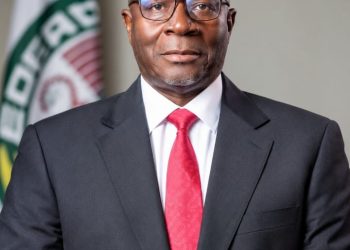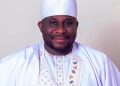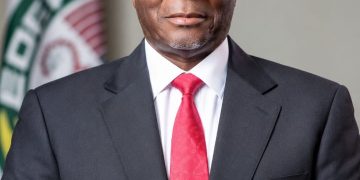


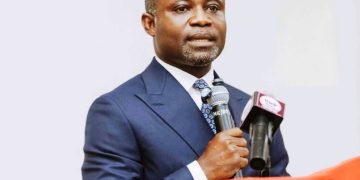



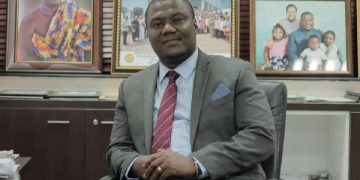








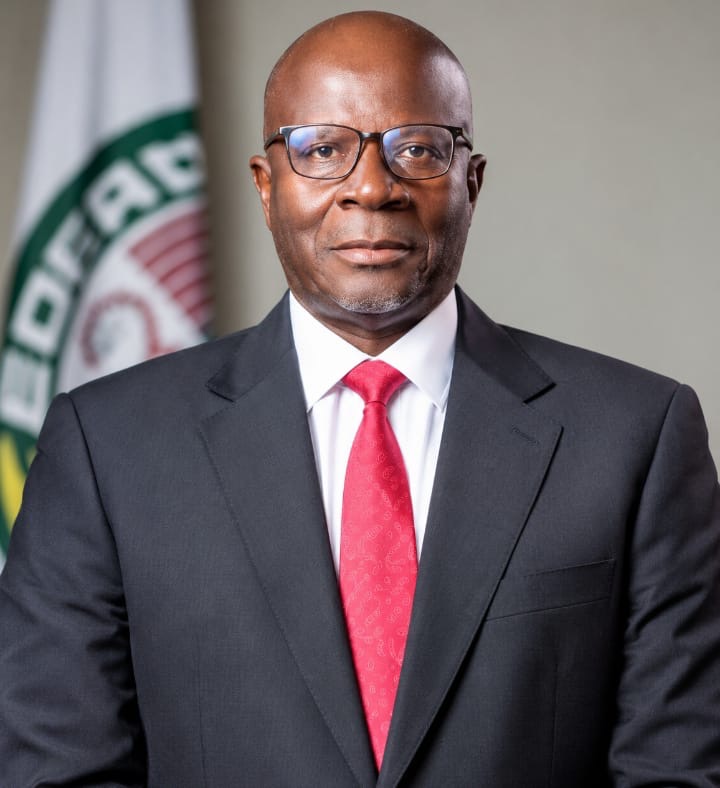
Ghana’s Minister for Foreign Affairs, Samuel Okudzeto Ablakwa, has congratulated former Roads and Highways Minister Amin Amidu Sulemani on his appointment as ECOWAS Commissioner for Infrastructure, Energy and Digitalisation, describing the appointment as an opportunity for Ghana to strengthen its representation in international organisations.


Mr Ablakwa, in a Facebook post on Monday, October 19, 2026, expressed the government’s support for Mr Sulemani and pledged that the Ministry of Foreign Affairs would continue to advocate for more Ghanaians to occupy senior positions in international institutions.
“Congratulations, Hon. Amin Amidu Sulemani on your appointment by ECOWAS as ECOWAS Commissioner for Infrastructure, Energy and Digitalization,” the minister wrote.
“The Ministry of Foreign Affairs pledges to keep campaigning and advocating for many more Ghanaians to occupy high positions in international organisations,” he added.
Mr Ablakwa also wished the former minister and parliamentarian success in his new role, concluding his message with the words: “For God and Country.”
Key role in West Africa’s development
Mr Sulemani’s appointment places him in charge of one of the strategic portfolios of the Economic Community of West African States (ECOWAS), with responsibilities spanning transport infrastructure, energy and digital development across the region.
The ECOWAS Commission’s official website lists him as Commissioner for Infrastructure, Energy and Digitalisation under the bloc’s new leadership for the 2026–2030 term.
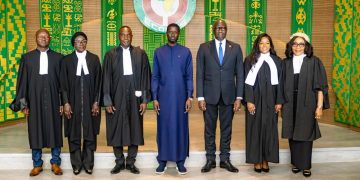
He was among the incoming statutory appointees introduced during a leadership transition ceremony in Abuja, Nigeria, on August 31, 2026, following the completion of the previous leadership’s four-year tenure.
Senegal’s General Birame Diop assumed office as President of the ECOWAS Commission, succeeding Dr Omar Alieu Touray of The Gambia.
Mr Sulemani’s portfolio covers three key directorates: Transport; Energy and Mines; and Digital Economy and Post.
The department also works with specialised regional agencies, including the West African Power Pool, the ECOWAS Regional Electricity Regulatory Authority and the ECOWAS Centre for Renewable Energy and Energy Efficiency.
According to ECOWAS, the department is central to advancing regional integration through coordinated infrastructure development and the implementation of the bloc’s 25-year Regional Infrastructure Development Plan covering 2020 to 2045.
The plan seeks to promote integrated infrastructure projects and improve connectivity among member states, with transport networks, energy systems and digital infrastructure forming important components of the regional development agenda.
Mr Sulemani’s responsibilities will therefore place him at the centre of efforts to strengthen cross-border connectivity, improve regional energy cooperation and advance digital development in West Africa.
Engineering, diplomacy and political experience
Mr Sulemani brings experience in engineering, public administration, diplomacy and politics to the position.
Born in Gyawia in the Upper West Region, he studied mechanical engineering at the Kwame Nkrumah University of Science and Technology (KNUST), graduating with a Bachelor of Science degree in 1982, according to his parliamentary profile.
He later served as a lecturer at the then Wa campus of the University for Development Studies before entering the diplomatic and political arena.
His diplomatic career included an appointment as Ghana’s Ambassador to Egypt, a position he held from 2009 to 2011, before becoming Upper West Regional Minister under the late President John Evans Atta Mills.
Mr Sulemani subsequently returned to Parliament, representing the Sissala West Constituency in the Upper West Region during the Sixth Parliament of the Fourth Republic, from 2013 to 2017.
He was also appointed Minister for Roads and Highways under President John Dramani Mahama in January 2013, bringing his engineering background to bear on the management of Ghana’s road infrastructure sector.
His combination of technical training and experience in government and diplomacy provides a relevant foundation for his new regional responsibilities, which require coordination among governments and institutions across multiple sectors.
Ghana’s representation in international institutions
Mr Ablakwa’s congratulatory message also highlights the government’s stated intention to pursue greater Ghanaian representation in international organisations.
Senior appointments within institutions such as ECOWAS provide opportunities for Ghanaian professionals and public officials to contribute to regional policymaking while advancing cooperation between member states.
For Ghana, Mr Sulemani’s appointment comes with the potential to strengthen the country’s participation in decisions concerning regional infrastructure, energy cooperation and digital connectivity.
His tenure will also coincide with efforts by the new ECOWAS leadership to improve the implementation of regional programmes and deliver practical benefits to citizens across West Africa.
Source: www.kumasimail.com