

























The Centre for Democratic Development (CDD-Ghana) is advocating the establishment of an independent authority to regulate political party and campaign financing in Ghana.


The Centre says an independent regulator would help close gaps in the existing legal framework and address the growing monetisation of politics, including vote-buying, unregulated campaign funding and abuse of state resources.
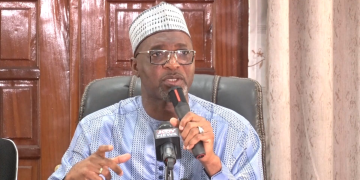
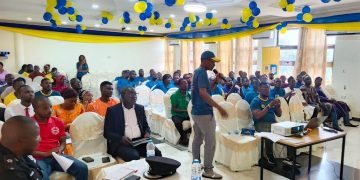
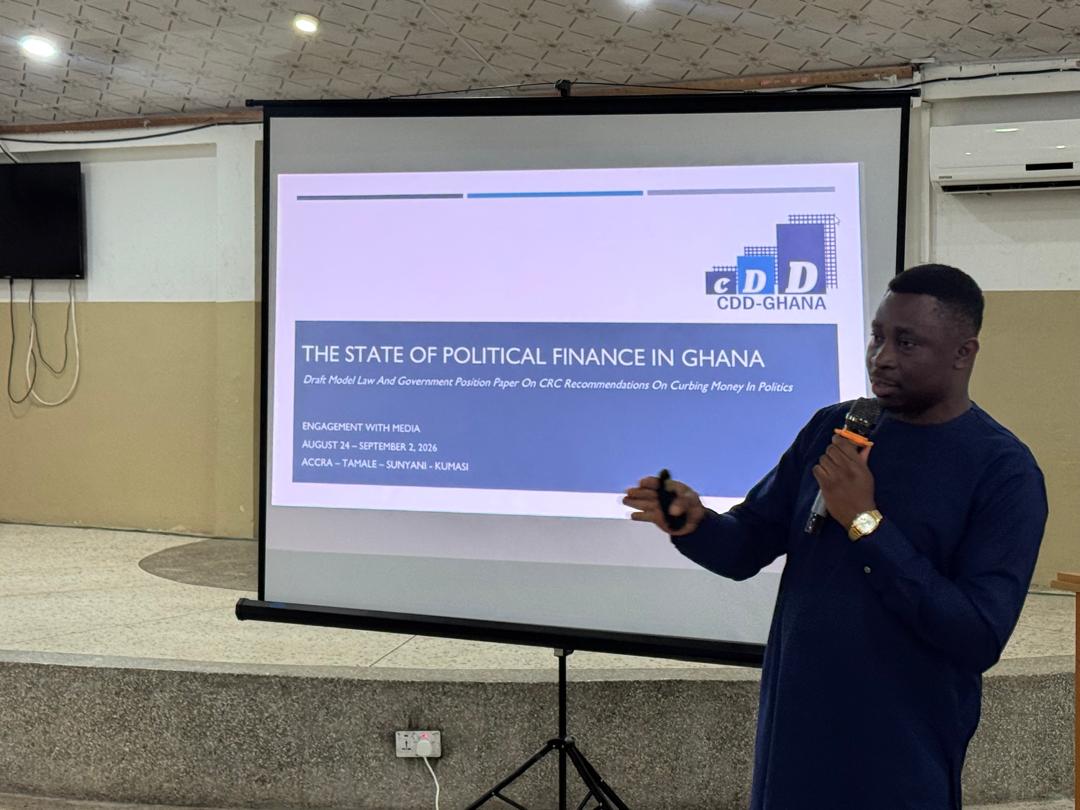
Joseph Oti Frimpong, Programmes Officer at CDD-Ghana, made the call at a media workshop on regulating political party financing in Ghana held in Kumasi.
The workshop was organised by CDD-Ghana and funded by the British High Commission.
Mr Oti Frimpong presented the Centre’s draft model law on political finance, alongside the government’s position paper on recommendations by the Constitution Review Commission (CRC) aimed at curbing the influence of money in politics.
He said Ghana’s existing legal framework primarily regulated political parties but did not adequately address the financing of individual candidates and electoral campaigns.
According to him, the regulatory gaps had contributed to high campaign costs, unregulated private funding, inadequate disclosure of political financing, vote-buying and the misuse of state resources.
Proposed independent authority
Under CDD-Ghana’s draft model law, an Independent Electoral Financing and Enforcement Authority (IEFEA) would be established to oversee political finance regulation, monitoring, enforcement, audits and disclosure.
The proposed authority would have powers to issue regulations, conduct investigations and audits, subpoena witnesses, impose fines and other sanctions, and refer cases for prosecution.
The draft law also proposes that all campaign-related transactions be conducted through designated campaign bank accounts, which would be subject to periodic and forensic audits.
The authority would further be empowered to set expenditure limits for party primaries, by-elections and general elections, taking into consideration factors such as geography, population, infrastructure and the type of election.
Mr Oti Frimpong said candidates would also be required to submit detailed financial reports on campaign receipts and expenditure.
The reports, he said, would be published online to enable citizens and other stakeholders to scrutinise political financing.
The proposed legislation also includes contribution limits, restrictions on anonymous donations above a specified threshold and measures to improve transparency in third-party campaign spending.
CRC, government proposals
The proposals by CDD-Ghana come amid ongoing discussions over reforms to Ghana’s political financing regime.
The Constitution Review Commission has recommended the establishment of an Independent Registrar and Regulator of Political Parties and Campaigns (IRRPC), with powers to register and regulate political parties, impose sanctions and address issues including vote-buying.
The CRC has also proposed restrictions on campaign periods, regulation of campaign receipts and expenditure, external audits of party and candidate funding, and sanctions for the abuse of incumbency.
The government has, however, accepted in principle the need for an independent regulatory body but favours the establishment of a Political Parties Regulatory Commission (PPRC) through ordinary legislation rather than the constitutionally established IRRPC proposed by the CRC.
The government has also acknowledged the need for comprehensive campaign finance legislation covering expenditure limits, disclosure thresholds and enforcement mechanisms.
Mr Oti Frimpong said the ongoing reform process provided an opportunity for stakeholders to close existing regulatory gaps and establish a political financing system that promotes transparency, accountability and fairness.
He said effective regulation would be critical to reducing the influence of money in Ghana’s democratic process and strengthening public confidence in elections.
Source: www.kumasimail.com