






































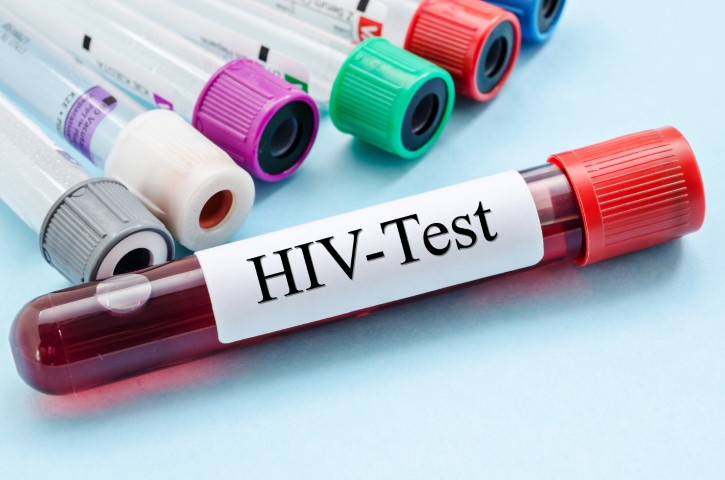
Ghanaians can now privately and confidentially request HIV self-testing (HIVST) kits online following the launch of a new national platform aimed at expanding access to HIV testing and supporting the country’s response to the epidemic.


The platform, https://selftestghana.online/, became operational on October 1, 2026, according to the Ghana HIV/AIDS Network (GHANET).
The system was developed with technical support from the Ghana AIDS Commission (GAC), the National AIDS/STI Control Programme (NACP), UNAIDS, the World Health Organization (WHO) and Abbott Rapid Diagnostics. It was implemented under the auspices of the Ghana Health Service (GHS), Ministry of Health and the Global Fund.
GHANET said HIV self-test kits available through the platform would be provided free of charge, although users may be required to pay a nominal delivery fee depending on their location. Corporate organisations can also use the platform to request kits for their employees.
In addition to facilitating access to HIV self-testing, the platform provides information on HIV prevention, treatment, testing and counselling, as well as disclosure, partner testing, discordant couples, sexually transmitted infections, stigma and discrimination, and common myths and misconceptions about HIV.
It also provides a directional map to more than 700 antiretroviral therapy (ART) centres across the country.
GHANET said the initiative was intended to contribute to Ghana’s national HIV response and international efforts to end AIDS as a public health threat by 2030.
Ghana falls short of 95-95-95 targets
According to data from the Ghana AIDS Commission cited by GHANET, Ghana did not achieve the UNAIDS 95-95-95 targets in 2025.
The targets call for at least 95 per cent of people living with HIV to know their status, 95 per cent of those diagnosed to be on treatment, and 95 per cent of those on treatment to achieve viral suppression.
GHANET said Ghana recorded 70-81-92 against the three targets in 2025.
The organisation further cited GAC data showing an estimated national HIV prevalence of 1.4 per cent in 2025, with an estimated 337,435 people living with HIV.
Of that number, about 101,292 people were estimated not to be aware of their HIV status, while women accounted for 65 per cent and men 35 per cent of the estimated population living with HIV.
The data also recorded 13,951 new HIV infections and 12,051 AIDS-related deaths during the period.
GHANET said a five-year cumulative assessment showed 65,114 AIDS-related deaths and 80,766 new HIV infections, figures it said demonstrated the need for additional strategies and investment in Ghana’s HIV response.
GHANET calls for increased HIV financing
GHANET called on the government to provide full financing for the national HIV response to ensure a consistent supply of HIV medicines and related commodities, including antiretroviral medicines, condoms, lubricants and HIV test kits.
The organisation also called for investment in newer HIV prevention technologies, citing long-acting lenacapavir, cabotegravir and the dapivirine vaginal ring among the options.
GHANET President Ernest Amoabeng Ortsin said the organisation remained committed to working with stakeholders, particularly the media, to increase public education on HIV and AIDS.
The organisation urged Ghanaians to test regularly and know their HIV status, stressing the importance of early diagnosis and treatment.
It also called on pregnant women and mothers living with HIV to adhere to treatment to reduce the risk of transmitting HIV to their babies.
GHANET further highlighted the importance of achieving U=U (Undetectable = Untransmittable), noting that people living with HIV who adhere to treatment and achieve an undetectable viral load have a significantly reduced risk of transmitting HIV sexually.
The organisation appealed to families, educational institutions, faith-based organisations and traditional authorities to strengthen their participation in the national HIV response.
It also urged the media to intensify public education on HIV and tackle stigma and discrimination against people living with HIV.
“Together we must win this fight,” Mr Ortsin said.
Source: www.kumasimail.com