







































Asantehene Otumfuo Osei Tutu II has challenged young Africans and members of the diaspora to transform the ease of digital communication into meaningful cultural understanding and stronger human connections.


The Asante monarch said modern technology had made it easier than ever for Africans across continents to communicate, but warned that online interaction alone could not create the knowledge, trust and responsibility required to build genuine unity.
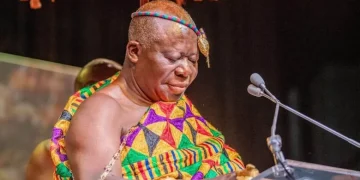
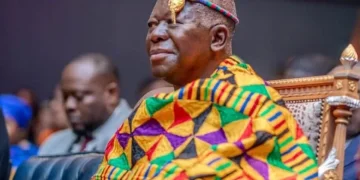
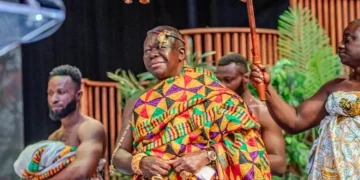
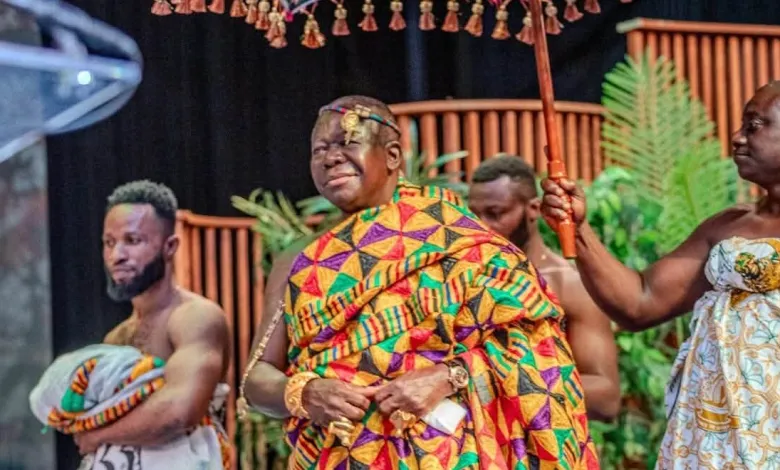
Speaking at Howard University in Washington, D.C., on Tuesday, August 25, 2026, Otumfuo said the younger generation had access to technological opportunities that previous generations could hardly have imagined.
“You are heirs to a history that contains extraordinary suffering and extraordinary achievement,” he said.
He noted that technology could now connect communities across Africa and the diaspora within seconds, but stressed that technological connectivity should not be mistaken for social and cultural cohesion.
“But technological connection is not the same as human unity. Unity requires knowledge, trust, discipline and responsibility,” he said.
Calls for deeper engagement with African heritage
Otumfuo urged young people to take greater ownership of the African narrative by studying the continent’s history and institutions instead of relying solely on external portrayals of Africa.
He encouraged them to learn African languages, examine the continent’s complexities and understand both its achievements and shortcomings.
“Do not allow others to define Africa entirely for you,” he said.
The Asantehene acknowledged the important role of music, fashion and social media in expressing African identity but cautioned that these forms of expression should complement, rather than replace, deeper engagement with heritage.
“However valuable these expressions may be, heritage requires deeper engagement,” he said.
Tradition should encourage critical thinking
The Asantehene also urged the younger generation to approach tradition with both respect and critical thinking.
He said preserving African culture should not mean accepting every inherited practice without scrutiny.
“Respect for tradition does not require intellectual silence,” he said, encouraging young people to question, investigate claims, challenge injustice, preserve valuable traditions and correct practices that require change.
He said the future of African culture depended increasingly on young people identifying the intellectual and moral resources within their heritage that could help them address contemporary challenges.
“The future of African culture will not be secured by elders alone,” he said.
Culture and professional success can coexist
Otumfuo further reassured the audience that embracing African identity did not require young people to limit their ambitions or reject modern professional standards.
He said Africans could attain the highest levels of achievement in fields such as science, medicine, engineering and law while remaining firmly connected to their cultural heritage.
His message was that modernity and African identity should not be treated as opposing choices, but as complementary aspects of the identity of a new generation capable of competing globally while remaining rooted in its heritage.