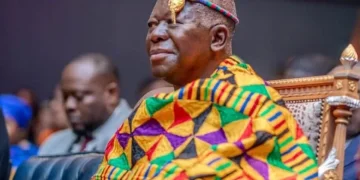

































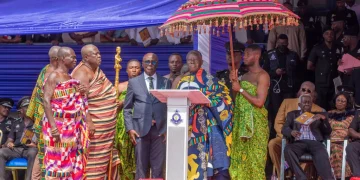
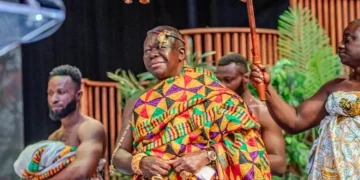






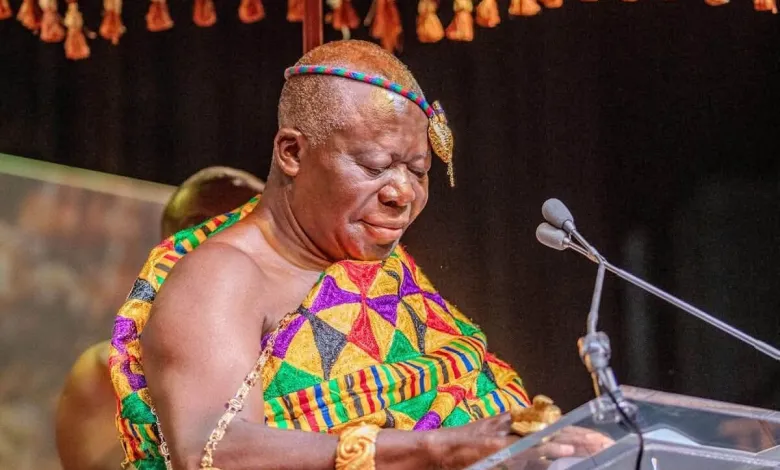
Asantehene Otumfuo Osei Tutu II has urged young Africans and members of the diaspora to pursue excellence on the global stage without disconnecting themselves from their cultural roots.


The Asante monarch said there should be no conflict between embracing modern professional and technological advancement and maintaining a strong connection to African heritage.
Speaking to students, scholars and youth leaders at Cramton Auditorium during a lecture at Howard University in Washington, D.C., on Tuesday, August 25, 2026, Otumfuo said cultural identity and professional achievement could complement each other.
“You are not required to choose between being modern and being African,” he said.
He added: “You can be a scientist, physician, engineer, lawyer or whatever of the highest international standing and remain deeply grounded in the cultural inheritance in which you emerged.”
Beyond symbolic expressions of culture
The Asantehene encouraged young Africans to move beyond surface-level expressions of identity and develop a deeper intellectual relationship with their heritage.
He said cultural preservation should involve questioning inherited practices, examining their relevance and making thoughtful contributions to their evolution.
“Respect for tradition does not require intellectual silence,” Otumfuo said, urging young people to ask questions, investigate claims, challenge injustice, preserve valuable traditions and correct practices that need to change.
He also called on the younger generation to bring their own creativity and experiences into the preservation of African culture.
According to him, maintaining cultural identity does not mean rejecting change but ensuring that development does not come at the expense of valuable aspects of African heritage.
Youth hold key to cultural continuity
Otumfuo further challenged the notion that traditional leaders and elders alone are responsible for safeguarding African culture.
He said young people must play a central role in determining how cultural values and knowledge are preserved and applied to contemporary challenges.
“The future of African culture will not be secured by elders alone,” he said.
“It will be secured when young people discover within their inheritance intellectual and moral resources that help them confront the problems of their present generation.”
The Asantehene’s message was therefore aimed at encouraging a generation of Africans capable of competing internationally while retaining a strong sense of identity and responsibility to their cultural heritage.
He said Africa’s cultural future would depend on young people who could draw from the wisdom of the past while using knowledge, innovation and critical thinking to respond to the demands of the modern world.