









































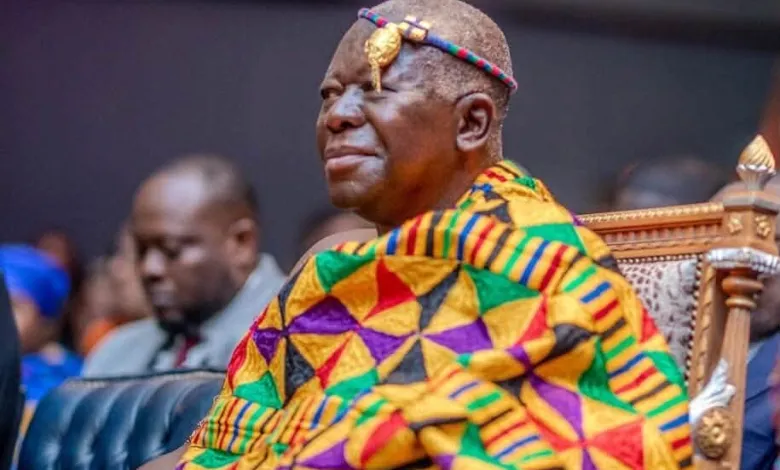
Asantehene Otumfuo Osei Tutu II has urged young Africans and members of the diaspora to take an active and critical role in preserving and reshaping African culture.


The Asante monarch said respect for tradition should not prevent the younger generation from questioning inherited practices, investigating historical claims and challenging aspects of culture that may no longer serve society.
Otumfuo made the remarks during a public lecture at Cramton Auditorium in Washington, D.C., on Tuesday, August 25, 2026.
He said while contemporary expressions of African identity, including music, fashion and social media, remained important, cultural preservation required deeper intellectual engagement.
“Respect for tradition does not require intellectual silence,” the Asantehene said.
He encouraged young people to examine their cultural inheritance critically, preserve practices that remain valuable, correct those that require change and contribute new ideas based on their own experiences and creativity.
According to Otumfuo, cultural continuity should not be understood as simply passing traditions unchanged from one generation to another.
Rather, he said, each generation had a responsibility to examine its inheritance and determine how it could be adapted to address emerging social, economic and political challenges.
Youth central to Africa’s cultural future
The Asantehene challenged the perception that the responsibility for protecting African heritage rests primarily with traditional leaders and elders.
He said young people, including academics, professionals, entrepreneurs and other emerging leaders, must become active participants in determining how African traditions evolve.
“The future of African culture will not be secured by elders alone,” he said.
“It will be secured when young people discover within their inheritance intellectual and moral resources that help them confront the problems of their present generation.”
Otumfuo’s remarks positioned cultural heritage not merely as a collection of customs to be preserved, but as a source of knowledge and values that can inform responses to contemporary challenges.
He urged the younger generation to combine respect for their roots with intellectual curiosity, creativity and a willingness to confront injustice.
The Asantehene said such an approach would enable African heritage to remain relevant while allowing successive generations to contribute to its continued development.