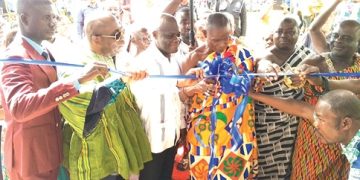



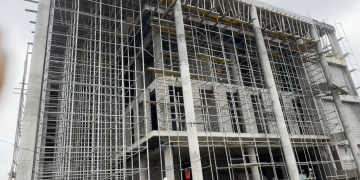
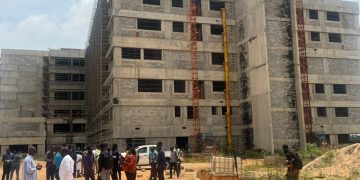
































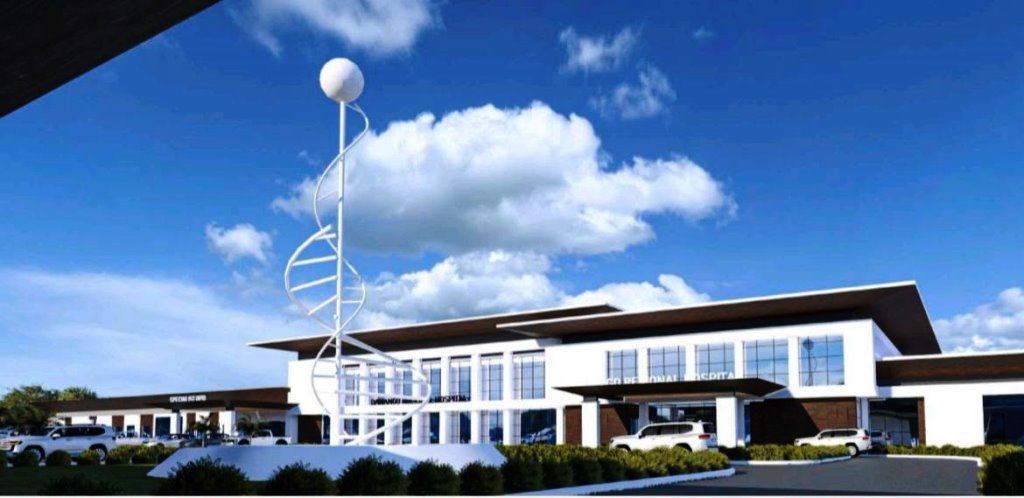
The construction of the long-awaited 160-bed Savannah Regional Referral Hospital in Damongo has moved a major step closer to reality following the formal handover of the project site to the contractor.


The handover, which took place last Friday, marks the beginning of physical construction of the facility, which is expected to provide higher-level and specialised healthcare services to residents of the Savannah Region and reduce the need for patients to travel outside the region for advanced medical care.
Minister for Government Communications, Felix Ofosu Kwakye, who announced the development, said the project forms part of government’s broader effort to expand healthcare infrastructure and improve access to specialised medical services across the country.
The Damongo facility is one of three new 160-bed regional referral hospitals government is pursuing in the Savannah, Oti and Western North regions.
President John Dramani Mahama is expected to formally cut the sod for the projects as government moves to accelerate the expansion of regional healthcare infrastructure.
Years of waiting
For residents of Savannah, the development represents a significant milestone in the region’s long-standing demand for a major referral hospital.
The region has several hospitals and other health facilities, but the absence of a fully-fledged regional referral hospital has meant that patients requiring specialist treatment beyond the capacity of existing facilities often have to be referred to Tamale and other parts of the country.
The Savannah Region is also geographically vast, covering about 35,853 square kilometres, with communities spread across a large area.
The establishment of a regional referral hospital in Damongo is therefore expected to bring specialist healthcare closer to residents while easing the pressure on referral facilities outside the region.
The Ghana Health Service’s data indicates that the region has hundreds of health facilities, including district hospitals, other hospitals, polyclinics, health centres and CHPS compounds.
However, the new regional hospital is expected to occupy a different position within the healthcare system by serving as a higher-level referral point for complicated cases requiring specialised intervention.
110 acres secured for project
The project received a major boost in November 2025 when the Overlord of the Gonja Kingdom, Yagbonwura Bikunuto Jewu Soale I, released 110 acres of land to government for the construction of the hospital.
The land acquisition removed one of the major obstacles to the development and paved the way for government to proceed with preparations for the project.
The 2026 Budget subsequently made provision for funding towards the construction of new regional hospitals, including the Savannah Regional Hospital.
The project was also among major infrastructure developments highlighted during President Mahama’s engagements with residents of the Savannah Region.
During his working visit to the region in May 2026, the President inspected the proposed hospital site at Swalipi and reiterated government’s intention to establish a major referral facility for the region.
The site inspection followed growing calls from residents and traditional authorities for government to move beyond promises and begin work on the hospital.
Friday’s handover of the site to the contractor now provides the clearest indication yet that the project is moving into its construction phase.
From 300 beds to 160
The latest government announcement puts the capacity of the Savannah Regional Referral Hospital at 160 beds.
This is lower than the 300-bed facility President Mahama previously spoke about during his engagement in Damongo, when he indicated that the proposed hospital would be equipped with advanced diagnostic facilities, including MRI, CT scan and X-ray services.
Government’s latest communications, however, consistently describe the Savannah, Oti and Western North projects as 160-bed regional referral hospitals.
The focus is now expected to shift from the size of the proposed facility to the quality and range of services it will ultimately provide.
For residents of Savannah, access to specialist diagnostics, surgery and other advanced medical services within the region could significantly reduce the financial and logistical burden associated with travelling elsewhere for treatment.
More than a building
The significance of the project extends beyond the construction of another hospital building.
A functioning regional referral hospital would require specialist doctors, nurses and other healthcare professionals, advanced diagnostic equipment, reliable utilities, supporting infrastructure and adequate funding for sustained operations.
It would also create a higher-level referral pathway for hospitals and health facilities across the region.

This is particularly important for Savannah, where long travelling distances can become a serious challenge for patients requiring urgent or specialised medical attention.
The expectation among residents will therefore be that construction is followed by timely equipping, staffing and commissioning of the facility.
A major test for government
With the site now formally handed over to the contractor, attention will turn to the construction timetable and government’s ability to ensure that the project does not suffer the delays that have characterised several major public infrastructure projects.
For Savannah residents who have waited for years for a regional referral hospital, the handover is an important milestone.
But the ultimate measure of the project’s success will be when the facility is completed, properly equipped, adequately staffed and providing specialist healthcare to patients.
Until then, Friday’s site handover represents the transition of the Savannah Regional Hospital from a long-standing promise to a project that is finally expected to take shape on the ground.
Source: www.kumasimail.com