

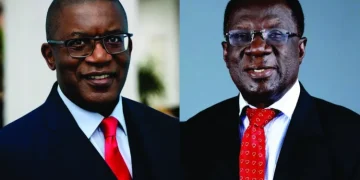
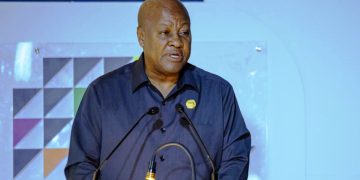
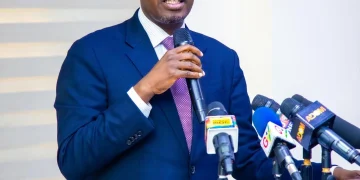
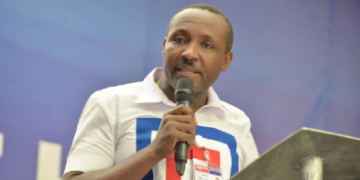





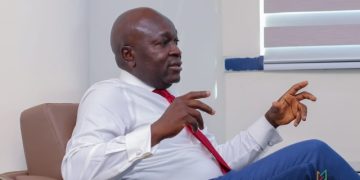





Environmental protection is emerging as Ghana’s next major human rights challenge, with increasing incidents of flooding, poor sanitation and climate change highlighting the urgent need to recognise access to a clean, safe and healthy environment as a fundamental human right, Dr. Michael Augustus Akagbor, Senior Programmes Manager for Human Rights and Social Inclusion at the Centre for Democratic Development (CDD-Ghana), has said.


According to him, while national conversations on human rights have largely centered on freedom of expression, discrimination, gender equality and the rights of vulnerable groups, environmental rights are fast becoming one of the most pressing issues confronting the country and deserve far greater attention from policymakers, local authorities and citizens.
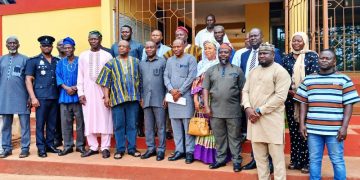
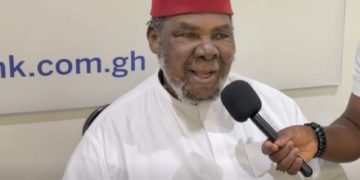
Dr. Akagbor made the observation in an interview after the conclusion of a two-day stakeholder capacity-building workshop on Human Rights, Non-discrimination and Protection of Vulnerable People in Ghana, organised by CDD-Ghana in Tamale.
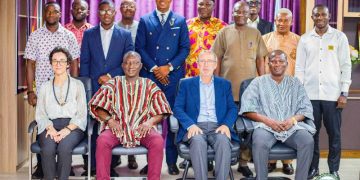
The workshop assembled representatives from the Ghana Police Service, Ghana Prisons Service, National Commission for Civic Education (NCCE), Environmental Protection Agency (EPA), Ghana Education Service (GES), faith-based organisations, civil society organisations, and the media to strengthen their understanding of human rights and build institutional capacity to protect vulnerable and marginalised people.
The training formed part of CDD-Ghana’s broader efforts to deepen public appreciation of human rights, promote non-discrimination and encourage state and non-state institutions to uphold constitutional rights in their daily work. Participants examined emerging human rights issues in Ghana, international and domestic human rights frameworks, Ghana’s constitutional obligations and the implications of the proposed Ghanaian Family Values Bill 2026.
Looking ahead, Dr. Akagbor believes environmental rights will increasingly dominate Ghana’s human rights agenda as climate-related disasters and environmental degradation continue to affect livelihoods and public health.
“The recent flooding we have witnessed reminds us that environmental rights have not received the attention they deserve. People have the right to live in clean, safe and healthy environments, yet this is a conversation we rarely have.”
He noted that although Ghana has made progress in advancing democratic governance and constitutional rights, environmental protection has not featured prominently in national human rights discussions.
According to him, local assemblies often concentrate on infrastructure and service delivery while giving insufficient attention to environmental sustainability and the creation of healthier communities.
“Our local authorities are dealing with many competing priorities, but environmental protection must become central to development planning because it directly affects the quality of life of citizens.”

Dr. Akagbor stressed that protecting environmental rights is not solely the responsibility of government institutions.
He argued that citizens also have constitutional and civic responsibilities to safeguard their surroundings through responsible waste disposal and environmentally friendly practices.
“Many people believe that once they dispose of their waste, it becomes someone else’s responsibility. That mindset is contributing significantly to environmental degradation.”
He explained that indiscriminate dumping of refuse into drains and waterways continues to worsen flooding in many communities, exposing lives and property to avoidable disasters.
He therefore called for a change in public attitudes towards environmental stewardship, insisting that environmental protection must be viewed as both a right and a shared responsibility.
“Protecting the environment is both a right and a responsibility. Government has obligations, but citizens also have responsibilities. We cannot demand clean communities while engaging in practices that pollute them.”
Dr. Akagbor said climate change is likely to intensify these challenges in the coming years, making environmental rights an increasingly important aspect of Ghana’s democratic and human rights discourse.
“Climate change, environmental protection and environmental rights will become some of the biggest human rights issues Ghana will face in the years ahead.”
He predicted that as debates over other human rights issues continue to evolve, public attention will gradually shift towards demands for cleaner communities, sustainable development and greater environmental accountability.
“As conversations on cultural and other social issues continue, citizens will increasingly demand clean, safe and sustainable environments. That is where I believe the next phase of Ghana’s human rights conversation is heading.”
Dr. Akagbor maintained that the changing nature of human rights challenges underscores the importance of continuous public education and stronger collaboration among institutions responsible for protecting citizens.
He said that was one of the reasons CDD-Ghana convened the stakeholder workshop.
“Our objective was to bring together institutions that ordinarily work independently so they could appreciate how human rights issues cut across sectors and understand the role each institution plays in protecting the rights of all people.”
He explained that bringing together prison officers, police personnel, officials from environmental and educational institutions, civil society organisations and the media created an opportunity for participants to learn from one another’s experiences and strengthen collaboration.
“Traditionally, these discussions have taken place within individual sectors. This workshop created a platform for participants to understand how their work connects with that of others and how collaboration can improve the protection of human rights.”
He said when institutions appreciate the broader impact of their decisions on vulnerable populations, they are more likely to adopt policies and practices that uphold human dignity and constitutional rights.
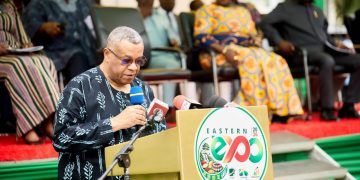
During the workshop, William Nyarko, Executive Director of the Africa Centre for International Law and Accountability (ACILA), delivered presentations on international, regional and domestic human rights frameworks, Ghana’s constitutional obligations to fulfil the rights of all persons, and the implications of the Ghanaian Family Values Bill 2026.
His presentations highlighted the legal obligations imposed on Ghana by both its Constitution and international human rights instruments, reinforcing the principle that all state institutions have a duty to respect, protect and fulfil the rights of every individual without discrimination.
For Dr. Akagbor, however, protecting those rights requires looking beyond traditional civil and political freedoms to include the environment in which people live.
He argued that every Ghanaian deserves access to surroundings that support health, safety and dignity, adding that environmental neglect ultimately undermines other constitutional rights, including the rights to life, health and development.
Source: www.kumasimail.com