





























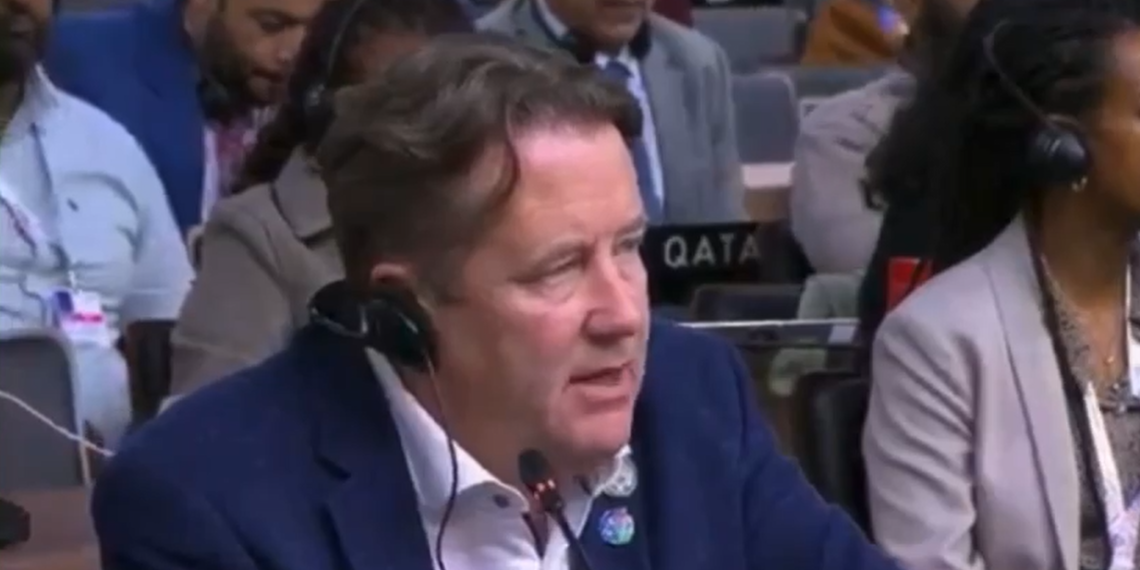
The European Union (EU) and its Member States have rejected the draft COP31 cover decision, describing the proposed outcome as inadequate in addressing the urgency of the global climate crisis.


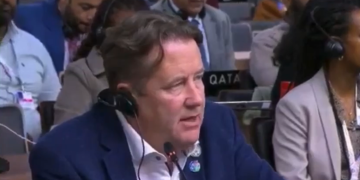
Ireland’s Minister for Climate, Energy and the Environment, Darragh O’Brien, speaking on behalf of the EU and its Member States at the COP31 plenary in Antalya, Türkiye, said the proposed outcome falls short of the action required to limit global warming and keep the 1.5°C target within reach.
He said the bloc would not endorse a decision which fails to reflect scientific evidence, disregards the implementation gap and makes no mention of fossil fuels, which he identified as the driver of climate change.
“We will not endorse a cover decision that does not even mention fossil fuels, the driver of climate change. And we will not accept negotiating backwards in time. And we will not accept a COP that greenwashes fossil fuels,” he said.
The EU also raised concerns over the draft’s treatment of adaptation and loss and damage, arguing it does not adequately respond to the needs of developing countries and communities on the frontlines of climate change.
The bloc further questioned the document’s treatment of scientific evidence, particularly the role of the Intergovernmental Panel on Climate Change (IPCC).
O’Brien said the EU had engaged constructively throughout the negotiations, holding intensive consultations with the COP Presidencies and other parties while demonstrating flexibility in seeking common ground.
He, however, cautioned against using the consensus-based nature of the UN climate process to justify an outcome lacking ambition and substance.
“The need for consensus cannot become a driver for the lowest common denominator. We cannot allow the COP process to be hijacked by the self-interest of the few at the expense of the many,” he said.
The EU maintained the disagreement was not driven by climate finance, stressing its commitment to improving access to funding, translating financial pledges into projects and programmes for vulnerable communities, and delivering on the commitment to triple adaptation finance.
The bloc insisted the draft must be strengthened through clear political commitments, meaningful action and a balanced outcome across all areas of climate action before it would receive its support.
O’Brien also warned against an outcome which, in the EU’s assessment, risks providing an investment prospectus for the fossil fuel industry while failing to reflect the realities of communities affected by climate change.
Despite its opposition to the draft, the EU reaffirmed its commitment to the United Nations Framework Convention on Climate Change (UNFCCC) process and said preparations for COP32 in Addis Ababa, Ethiopia, would begin immediately.
The bloc also called for a serious reflection on the functioning of the COP process, questioning the value of repeatedly returning to climate conferences to renegotiate commitments made at previous meetings.
“COP31 will not be judged by whether a decision was or was not adopted, but by whether the international community rose to the challenge we faced,” O’Brien said.
He reaffirmed the EU’s commitment to renewable energy and the transition away from fossil fuels, describing the shift towards cleaner energy as necessary for public health, economic security and global survival.
The EU’s rejection presents a challenge to efforts by the COP31 Presidencies to secure consensus on the final cover decision, with disagreements persisting over the treatment of fossil fuels and the level of ambition required to address the climate crisis.
Source: www.kumasimail.com