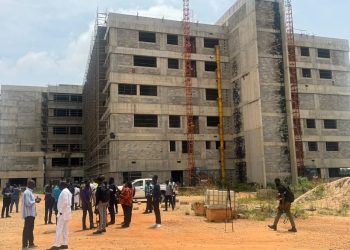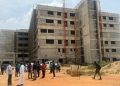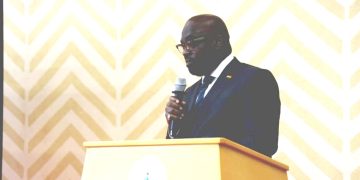
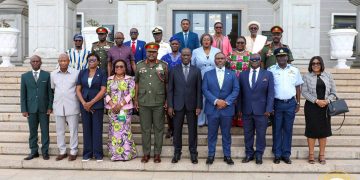

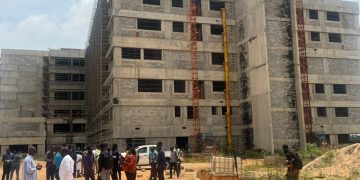
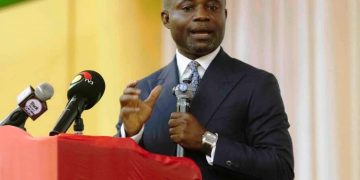
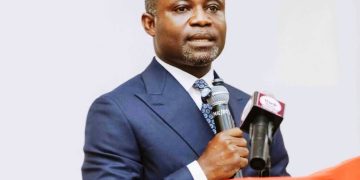
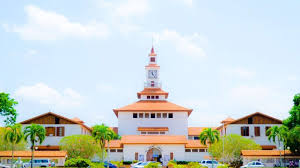
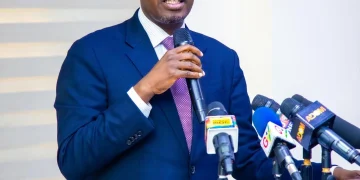




















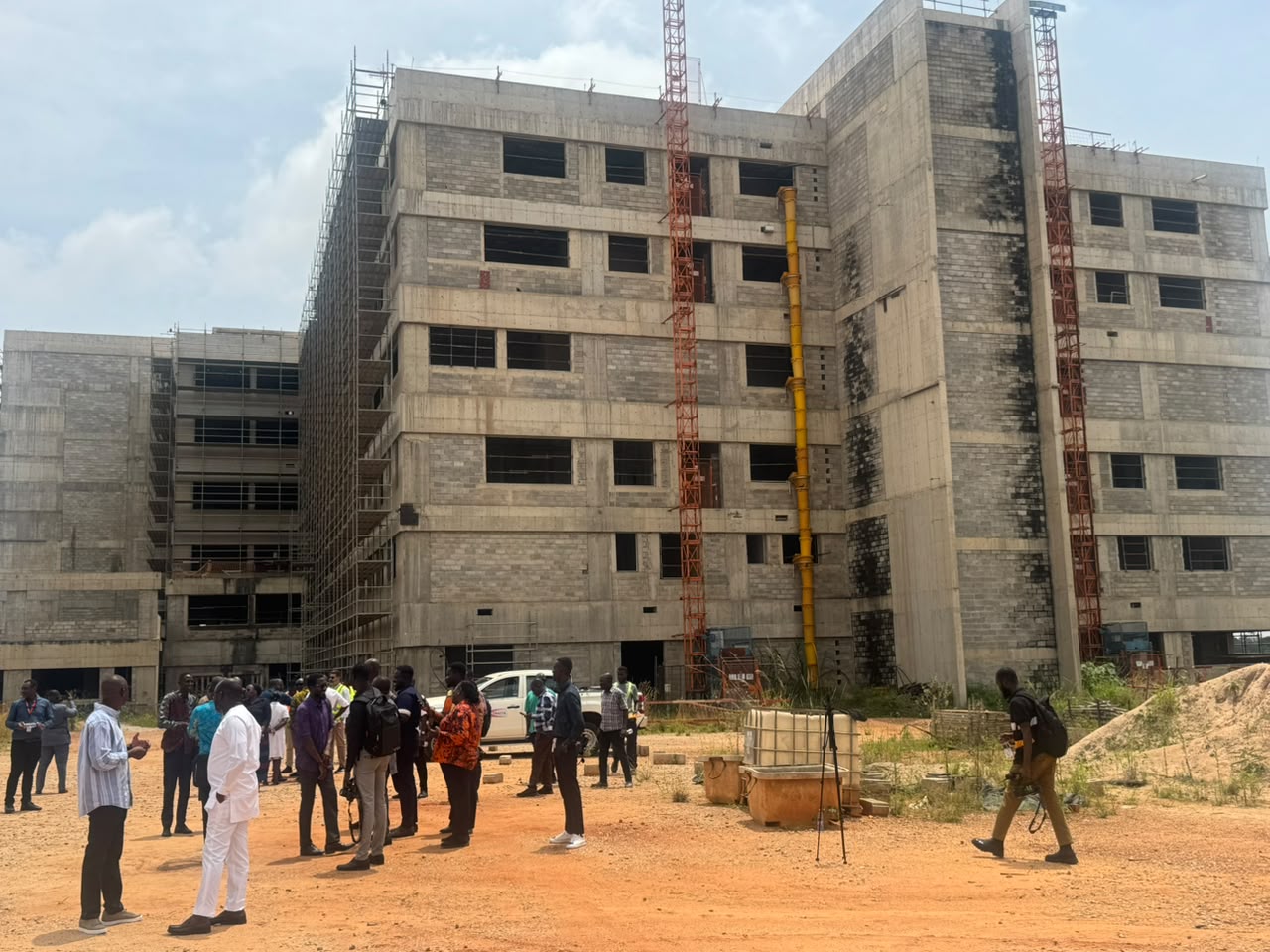
Aboabedene Mother and Baby Unit at Komfo Anokye Teaching Hospital (KATH) in Kumasi is approximately 70 per cent complete but remains suspended because of non-payment to the contractor, consultant project manager Emmanuel Fobi Asabre has told Parliament’s Select Committee on Health on Tuesday 13th October 2026.


Briefing the committee on the state of the project, Asabre said the construction works had been suspended for about 14 months, following two major suspensions that had significantly affected progress and increased project costs.
He said the project, initiated by the government in November 2019, had undergone substantial changes after technical assessments revealed structural problems with the original building, making it inadvisable to continue with the existing design.
According to him, the project initially had a budget of GH¢88.5 million, but the prolonged suspensions had resulted in additional costs.
“The suspension is as a result of non-payment to the contractor,” he said, adding that the contractor was awaiting payment to return to the site and resume work.
Asabre, who appeared before the committee with representatives of the contractor, said the project had been redesigned as a 509-bed hospital, with the original intention of completing it within three years.
Structural defects forced redesign
Asabre explained that after the contractor took over the site, technical assessments identified problems with the existing civil structures.
He said further assessments were undertaken with the involvement of other technical parties and the Ghana Institute, although the specific institution was not clearly identified in the presentation.
The assessments concluded that proceeding with the existing structure was not advisable, leading to a decision to demolish the building and redesign the project.
He said the redesign constituted the first variation order and resulted in the project being re-scoped into a 509-bed hospital.
Following the variation order, the contractor began demolishing the existing structure while undertaking construction of the replacement facility.
Asabre explained that the project was being implemented under a design-and-build contract, which places responsibility on the contractor for the design, construction, equipping and eventual handover of the facility to the hospital, including the training of personnel.
Project suspensions slow construction
Providing an update on the project’s status, Asabre said the demolition had been completed, the designs had been finalised, and construction had reached different stages across the various components.
He reported that structural construction was approximately 60 per cent complete, while another component he described as “filming” was 75 per cent complete. The specific component requires clarification from the original recording.
He said the project had experienced two major suspensions. The first lasted approximately 18 months, after which work resumed at a reduced pace before another suspension followed.
According to him, the interruptions were linked to the contractor’s inability to receive payments for the works.
Asabre said that during the first suspension, the contractor continued maintaining the site and took steps to ensure that activities at the facility remained orderly.
He added that the project team had continued engaging relevant stakeholders to find a way to restart construction.
Materials at risk of deterioration
The consultant project manager warned that the prolonged suspension was also affecting materials and equipment procured for the project.
He said air-conditioning units and other electrical materials had been procured, while components intended to enclose the building’s exterior had also been delivered to the site.
However, some materials had deteriorated or were approaching the end of their shelf lives, with the possibility that some had already expired.
He explained that although manufacturers could potentially refurbish certain materials, uncertainty over when construction would resume had complicated arrangements to address the problem.
Materials that had been damaged had been removed from the site, he said.
Asabre also expressed concern about the effect of the delays on warranties intended to protect the project and its eventual users.
He said the contractor was expected to provide a five-year warranty, but the prolonged suspensions meant that some of the procured materials had already aged considerably before installation.
The situation, he warned, was reducing the period of protection available for materials and equipment and creating additional challenges for the project.
He disclosed that a warehouse near the project site was being used to store air-conditioning equipment, electrical materials and other items procured for the facility.
“The contractor is awaiting some form of payment to be able to get them to come back to site,” he said, adding that the parties needed to address the issues arising from the suspension to enable work to resume.
Obuasi East MP describes stalled project as a national failure
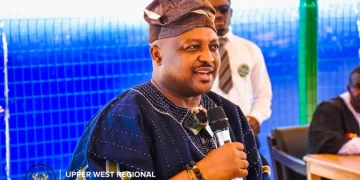
The Member of Parliament for Obuasi East and Deputy Ranking Member of Parliament’s Select Committee on Health, Dr. Patrick Boakye Yiadom, expressed disappointment at the prolonged delay in completing the maternity and children’s facility.
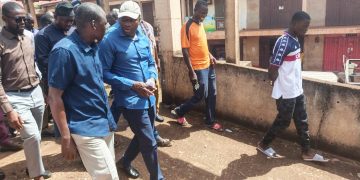
Speaking during a visit to the project site, he described the situation as a national concern, arguing that successive governments had failed to ensure continuity in the execution of important public projects.
He said the proposed facility represented an ambition to improve maternal and child healthcare that had remained unrealised for decades.
“We are at the site of the proposed new maternity and children’s block, which was former President’s Acheampong’s ambition for the people of Ghana about 50 years ago. And for 50 years, future generations or current generations have not seen the fruition of the project,” he said.
Dr. Yiadom described the state of the project as a “sad spectacle”, stressing that a facility intended to provide healthcare for mothers and children should not remain unfinished for such an extended period.
He said the problem should not be viewed solely through the lens of partisan politics, but as a national development challenge.
“It’s not NPP; it’s not NDC. I’m saying this as a national. It’s very bad,” he said, calling for greater commitment to completing ongoing projects and making effective use of taxpayers’ money.
The MP appealed to the administration of President John Dramani Mahama to make every effort to ensure the project’s completion.
He also cited the importance of the facility to patients beyond the Ashanti Region, noting that Komfo Anokye Teaching Hospital serves people from the northern parts of Ghana and neighbouring countries.
According to him, completing the facility would strengthen maternal and child healthcare services and ease pressure on the existing hospital infrastructure.
Dr. Yiadom said the reported deterioration and expiry of some procured materials made it necessary to reassess the project and determine the additional resources required to complete it.
He urged the government to take urgent steps to prevent further waste and ensure the facility becomes operational.
Health Committee chairman calls for responsible project financing
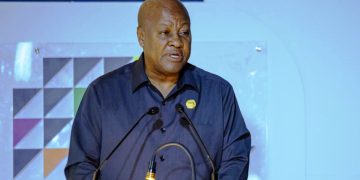
The Chairman of Parliament’s Select Committee on Health, Dr. Mark Kurt Nawaane, said the challenges confronting the project reflected a wider problem affecting public infrastructure development in Ghana.
Thanking the SAC consultants for their presentation, he said many projects across the country had followed a similar pattern: they were initiated, encountered difficulties and were eventually abandoned before completion.
He said the practice had serious implications for national development and the efficient use of public resources.
Dr. Nawaane said the government, under President Mahama, was pursuing a new approach to project implementation that would place greater emphasis on adequate funding, proper planning and accountability.
“The principle is clear: we must not continue to initiate projects without ensuring that adequate resources are available to complete them,” he said.
He stressed that projects should be properly assessed and the necessary approvals and financing arrangements established before contracts were awarded.
According to him, the objective was to ensure that public resources were used efficiently and that projects undertaken by the government could be completed successfully.
Contractors urged not to give up
Dr. Nawaane also appealed to contractors affected by delayed payments and suspended projects not to lose confidence in the process.
He acknowledged the difficulties faced by contractors who had committed financial resources to public projects but were unable to proceed because of outstanding payments.
“To the contractors who have invested their resources and committed themselves to these projects, I want to offer a word of encouragement: please do not give up,” he said.
He assured them that the government was committed to addressing the challenges and finding a sustainable way forward.
The committee chairman called for a careful examination of the circumstances surrounding stalled projects to establish the facts and identify appropriate measures for resolving outstanding issues.
He said audits and monitoring mechanisms should be used where necessary to strengthen accountability and prevent similar problems in the future.
Dr. Nawaane further stressed the need to protect contractors’ investments and build confidence that legitimate payments would be honoured in accordance with contractual arrangements.
“We must work together to restore confidence, strengthen accountability and ensure that public projects deliver the benefits for which they were intended,” he said.
He added that the government’s objective was to establish a more disciplined and transparent approach to project implementation that protected public funds, treated contractors fairly and ensured that development projects were completed for the benefit of Ghanaians.
The completion date for the Aboabedene Mother and Baby Unit was not provided during the presentation. The contractor’s outstanding payment obligations, the revised total project cost and the timeline for resuming construction were also not specified.
Source: www.kumasimail.com