
























The European Union (EU) is set to strengthen its security cooperation with Ghana as part of efforts to expand defence partnerships with countries around the world.


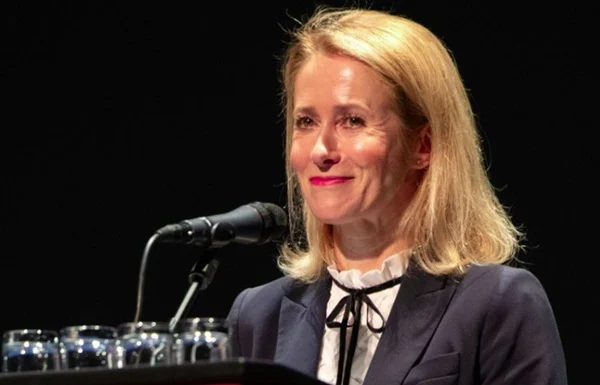
The EU’s High Representative for Foreign Affairs and Security Policy, Kaja Kallas, said the bloc will sign new security and defence partnership agreements with Ghana, Australia and Iceland in the coming days.
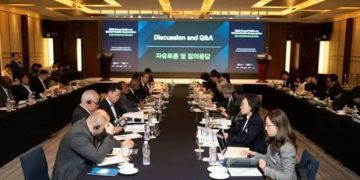
Speaking at the 2026 EU Ambassadors Conference in Brussels on Monday, Ms Kallas said the planned agreements are part of a broader strategy to expand the EU’s global network of security partnerships at a time of growing geopolitical uncertainty.
“Later this week I will sign the tenth with Australia and subsequent ones with Iceland and Ghana in the coming days,” she said.
Ms Kallas noted that more countries are seeking closer cooperation with the EU as governments look to diversify alliances and strengthen security ties.
“There are many other interested countries knocking at our door,” she said, adding that “a growing number of countries around the globe are seeking to diversify their partnerships to manage the heightened risk.”
The proposed agreements come as the EU warns that the international system is under increasing pressure from geopolitical conflicts and challenges to international law.
In her address, Ms Kallas cited ongoing tensions in the Middle East and the continuing war between Russia and Ukraine as signs of growing instability in the global order.
She said such developments underline the need for stronger international cooperation and collective security arrangements.
The partnerships will form part of the EU’s wider security framework, which includes cooperation with organisations such as the North Atlantic Treaty Organization as well as bilateral agreements with partner countries across Europe, Asia and North America.
According to Ms Kallas, expanding the EU’s network of partnerships is crucial to maintaining stability and supporting a rules-based international system at a time when many countries are reassessing their strategic relationships.
She added that the EU’s approach combines economic cooperation, diplomatic engagement and security collaboration to strengthen alliances and promote collective responses to global challenges.
Details of the proposed agreement with Ghana have not yet been made public. However, the partnership is expected to deepen cooperation in areas such as security dialogue, defence collaboration and strategic coordination.
Source: www.kumasimail.com