




































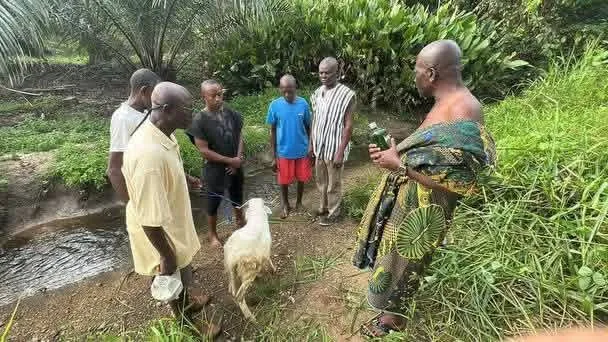
Nana Otuo Siriboe II has cleared a major hurdle to the construction of the Kumasi Outer Ring Road by leading traditional rites aimed at resolving longstanding cultural concerns tied to the project.


The ceremony, grounded in Asante customs, was conducted to address spiritual sensitivities surrounding sections of the proposed road corridor, where some lands are regarded as sacred. The move is expected to allow work to proceed under the government’s “Big Push” infrastructure programme without further cultural impediments.
For years, progress on the project faced delays due to the need to reconcile development plans with local traditions and beliefs. Traditional authorities and community stakeholders had called for careful engagement to ensure that the project respected cultural heritage.
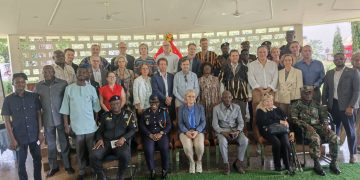
Following consultations with elders, spiritual leaders and residents, consensus was reached to perform rites intended to pacify the land and seek ancestral approval. The ceremony brought together traditional leaders, government officials, engineers and community members.
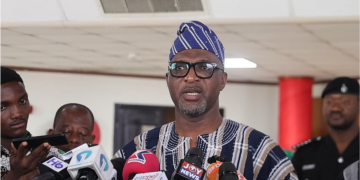
Speaking after the event, Nana Otuo Siriboe II stressed the importance of aligning development with cultural values.
“This project is crucial for the future of our region, but it must proceed with the blessings of our ancestors and the consent of our people,” he said.
The Kumasi Outer Ring Road is designed to ease congestion in the metropolis by providing an alternative route for heavy-duty vehicles and long-distance traffic. Authorities say the project will improve connectivity, reduce travel times and stimulate economic activity in the Ashanti Region.
Government representatives at the ceremony described the intervention by the Juabenhene as an example of effective collaboration between traditional leadership and the state. They noted that such partnerships are key to advancing major infrastructure projects while maintaining social cohesion.
The “Big Push” programme prioritizes critical infrastructure, including strategic road networks such as the Kumasi Outer Ring Road. With the cultural issues resolved, contractors are expected to proceed with construction as scheduled.
Residents have welcomed the development, expressing optimism about potential benefits such as increased trade, job creation and improved access to services.
The ceremony signals a broader message on development in Ghana: that cooperation between tradition and modern governance can help deliver sustainable progress.