





















Journalists in Kumasi have called for strengthened protections for press freedom in Ghana, warning that growing economic pressures, restricted access to information, and subtle forms of intimidation continue to threaten media independence.


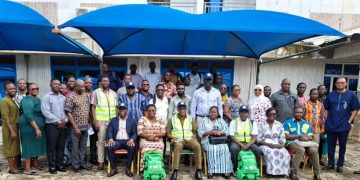
In a statement to mark World Press Freedom Day on May 3, the Network of Journalists in Kumasi, operating under the Science and Technology Communicators of Ghana (SaTCOG), stressed that a free press is a fundamental right of citizens, not a privilege granted by those in power.
The group said journalists serve as a critical link between citizens and decision-makers, particularly for vulnerable groups who rely on the media for information on public health, education, governance, and environmental issues.
While acknowledging Ghana’s reputation for relative press freedom, the statement noted that journalists still face significant challenges, including financial instability, intimidation of sources, limited protection for whistleblowers, and delays in accessing public information.
“Access to information — a right guaranteed by law — is often hindered by bureaucratic delays and official indifference,” the statement said, warning that such barriers weaken accountability and transparency.
The group also highlighted the increasing use of legal actions to burden media organizations, describing them as attempts to silence critical reporting rather than seek justice.
As science and technology communicators, the journalists emphasized the importance of independent reporting on environmental and public health issues, noting that restrictions on such coverage could expose communities to greater risks.
They called on the government to fully implement the Right to Information Act, strengthen protections for whistleblowers, and promote a culture of transparency across public institutions.
The statement further urged journalists to uphold professional standards, resist external pressures, and invest in skills that enhance credibility and resilience in an evolving media landscape.
“Press freedom is not secure simply because it exists today. It must be actively defended,” the group stated.
The statement was issued by Kingsley E. Hope on behalf of the Network of Journalists (SaTCOG), Kumasi.
Source: www.kumasimail.com