




























In conversations about national development in Ghana, access to healthcare is often framed as a question of infrastructure: hospitals built, equipment procured, professionals trained. While these are critical, they do not tell the full story.


True healthcare access is not static, it must be continuous, adaptive, and far-reaching, extending beyond major urban centres into smaller cities, towns, and rural outposts. From Kumasi to Sunyani, from Bolgatanga to the many communities in between, the need for sustained medical outreach and education remains urgent.
Healthcare disparities across regions are not new. Urban centres tend to attract resources, while peripheral areas are left navigating gaps in both access and awareness. For many Ghanaians, preventive care is still a luxury, and early diagnosis is often replaced by late-stage intervention. This is where community-driven initiatives become not just helpful, but essential.
Organizations such as Vita Aid were established precisely to bridge this gap. Drawing on international exposure and a deep commitment to local impact, Vita Aid focuses on education, healthcare, and skills development as interconnected pillars of community transformation. Its approach recognises that access is not merely about proximity to a clinic, but also about knowledge, understanding when to seek care, how to prevent illness, and how to sustain healthy lifestyles.
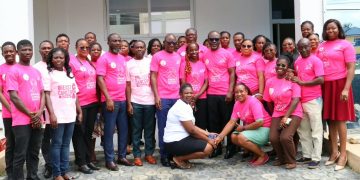
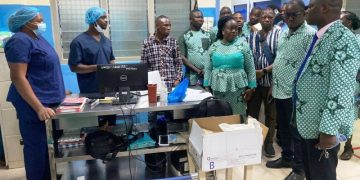
On May 2nd, Vita Aid hosted a Health Screening Event that exemplified this mission. The event provided free health checks, including basic diagnostics that many individuals might otherwise delay or forgo. More importantly, it created a space for dialogue. Healthcare professionals engaged directly with community members, offering guidance, answering questions, and demystifying aspects of health that are often misunderstood or overlooked.
The turnout was telling. People travelled from different regions, not only to receive care but to connect, to be seen, heard, and informed. Distinguished guests and professionals lent their expertise, but the true success of the event lay in its accessibility and inclusiveness. It was not a one-off intervention, but a reminder of what sustained engagement can achieve.
However, healthcare education cannot exist in isolation. It is deeply intertwined with governance, policy, and civic participation. The availability of medical services, the allocation of resources, and the prioritisation of public health initiatives are all shaped by political processes. This is why health education must go hand in hand with political education.
For Ghana to thrive, its citizens, particularly its youth, must understand not only how to care for their bodies, but also how to engage with the systems that shape their lives. Law-making, policy formulation, and governance should not be abstract concepts reserved for a select few. They must be accessible, understandable, and participatory.
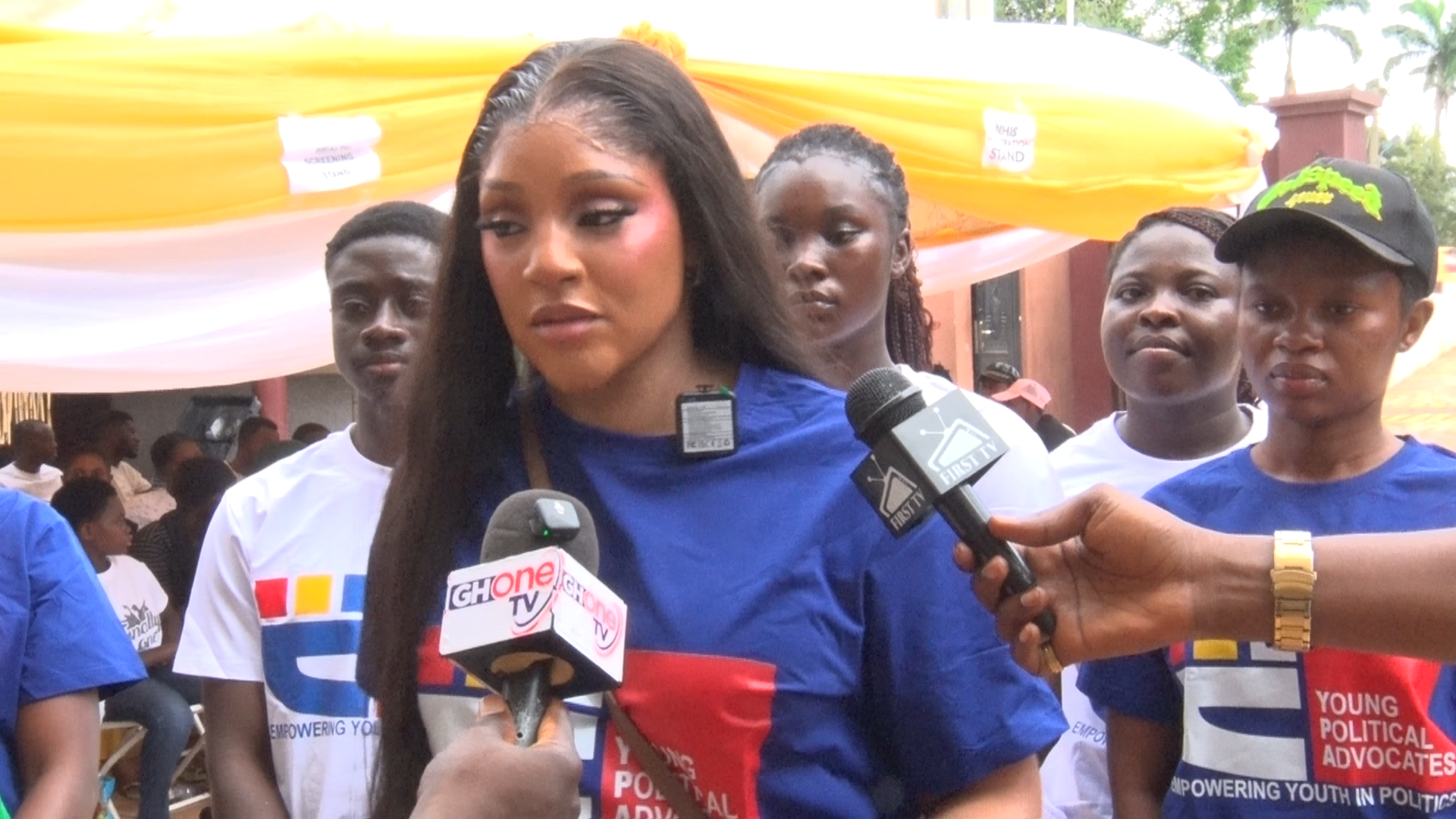
This belief led to the establishment of Young Political Advocates (YPA), a platform dedicated to empowering young people through political education, leadership development, and active civic engagement. The goal is simple but profound: to cultivate a generation that is informed, responsible, and proactive.
Too often, political participation is reduced to affiliation, supporting a party, attending rallies, or voting during elections. While these are important, they represent only a fraction of what meaningful engagement entails. True participation involves understanding how policies are crafted, how decisions are made, and how leaders can be held accountable across sectors, from healthcare to environmental protection.
Informed citizens are not passive recipients of policy; they are active contributors to national discourse. They ask questions, demand transparency, and advocate for change. For young people, this means moving beyond surface-level engagement to a deeper comprehension of governance structures and processes.
The connection between health and politics becomes evident when we consider issues such as funding for regional hospitals, the distribution of medical personnel, or the implementation of public health campaigns. Without an informed citizenry, these decisions risk being made without sufficient scrutiny or community input.
By placing young people at the centre of governance and development, initiatives like YPA aim to shift this dynamic. Education becomes a tool not only for personal advancement but for collective progress. When youth understand their role within the political landscape, they are better equipped to influence it.
The vision is a Ghana where communities are not only healthier but more engaged; where individuals understand both their rights and their responsibilities; where development is driven not just from the top down, but from the ground up.
This dual focus—on healthcare access and civic education, is not coincidental. It reflects a holistic approach to development, one that recognises the interconnectedness of well-being and governance. A healthy population is more capable of participating in civic life, and an engaged citizenry is more likely to advocate for equitable healthcare systems.
As we reflect on initiatives like the May 2nd Health Screening Event, the question is not whether such efforts matter, it is how we can sustain and expand them. How do we ensure that outreach is continuous, not a one-off? How do we replicate success across regions, adapting to local needs while maintaining a shared vision?
The answer lies in collaboration. Government agencies, non-profits, healthcare professionals, and community leaders must work together to create systems that are both responsive and resilient. At the same time, individuals must recognise their role within this ecosystem.
Ghana’s future will not be defined solely by policies or programmes, but by the people who engage with them. By investing in both health education and political awareness, we lay the foundation for a society that is not only well-informed but empowered.
The path forward requires commitment, innovation, and a willingness to rethink traditional approaches. It calls for initiatives that meet people where they are, geographically, socially, and intellectually. It demands that we see access not as a destination, but as an ongoing process.
From Kumasi to Sunyani, from Bolgatanga to every corner of the country, the message is clear: continuous medical access and informed civic participation are not optional, they are essential. Together, they hold the key to a stronger, healthier, and truly prosperous Ghana.
About the Author
Maddalena Nkansah is the founder of Vita Aid, a non-profit focused on healthcare, education, and skills development, and the Young Political Advocates (YPA), a platform dedicated to political education and civic engagement for Ghana’s youth.
Source: Maddalena Nkansah