

















The European Union Ambassador to Ghana, Rune Skinnebach, has described the current period as a promising time for investment in Ghana, citing the country’s political stability, growing partnerships with the European Union, and ongoing economic reforms.


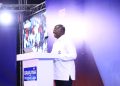
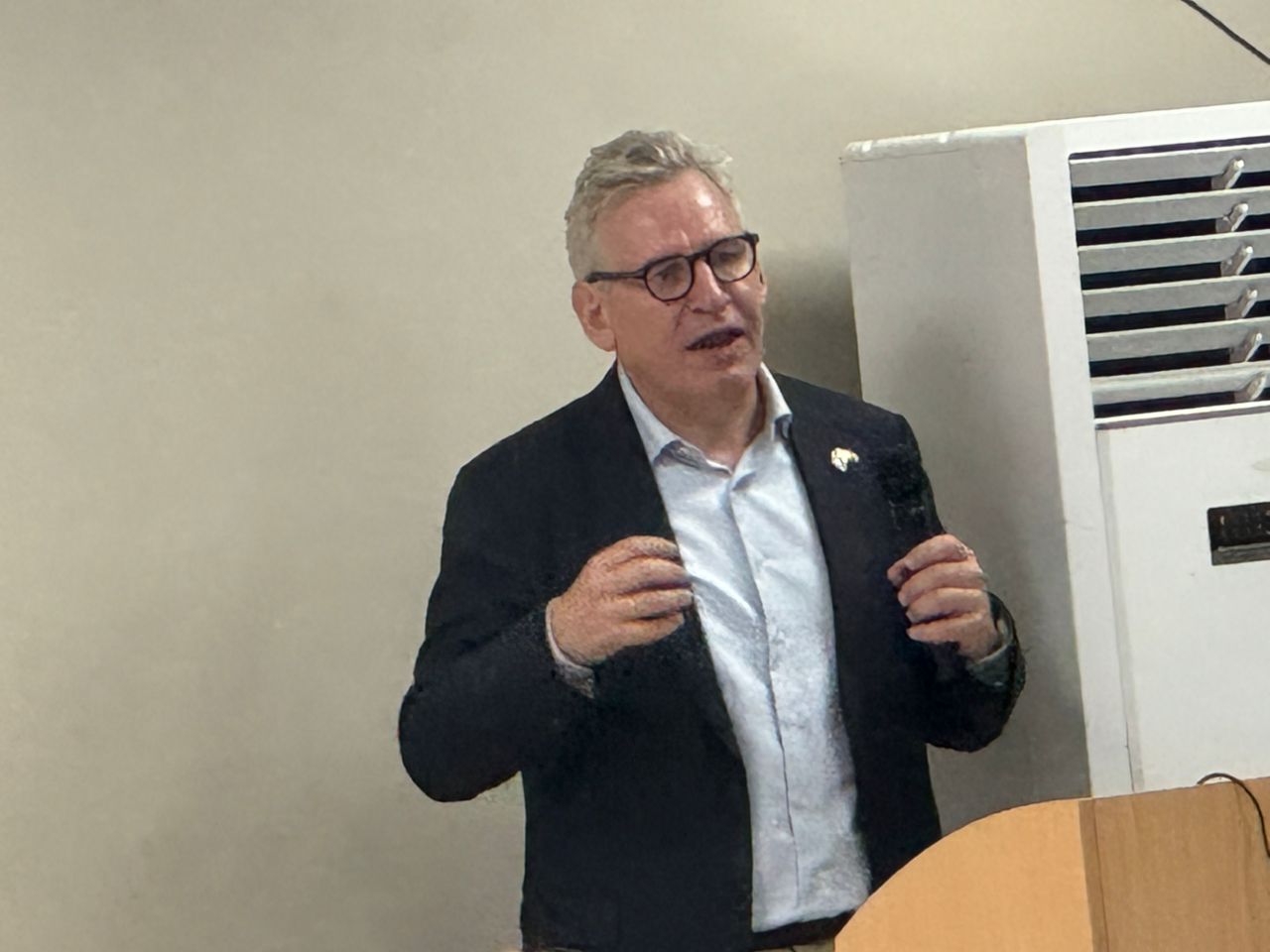
Speaking to GHOne News at the Kwame Nkrumah University of Science and Technology (KNUST) after delivering a keynote address on scholarship opportunities in European Union universities, Ambassador Skinnebach said Ghana remains one of the most attractive destinations for European investors in the West African sub-region.
“Now it’s a very good time to be in Ghana,” he stated. “We have over a billion euros of Global Gateway investments already in Ghana. We have peace and stability, and everything is going in the right direction.”
The Ambassador explained that the EU continues to deepen its relationship with Ghana through investment, development cooperation, and strategic partnerships. According to him, the European Union is currently Ghana’s largest export market, biggest development partner, and one of the country’s leading investors.
Mr. Skinnebach noted that since 2022, the EU has rolled out its Global Gateway Investment Package for Africa, a 150-billion-euro initiative aimed at boosting infrastructure, development financing, and private sector investments across the continent.
He said Ghana stands to benefit significantly from the initiative if it maintains a favorable business environment and macroeconomic stability.
“It’s an offer, and Ghana has to make itself attractive to benefit from it,” he explained. “The country must ensure political and macroeconomic stability, a business-friendly climate, functioning infrastructure, and strong legal frameworks that attract European investors.”
The Ambassador cautioned that although Ghana remains competitive, neighboring countries could attract investors if they provide more favorable conditions.
“If these conditions are better elsewhere, then European investors will naturally move to neighboring countries,” he added.
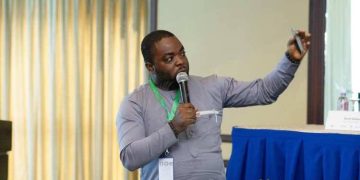
During the engagement with students at KNUST, Ambassador Skinnebach emphasized the importance of interacting with young people, describing them as both the present and future of Ghana.
“Whenever we go somewhere, we always try to meet young people,” he said. “Young people are the reality of Ghana today, and also the future of Ghana.”
According to him, the EU sees value not only in educating students about European opportunities and partnerships but also in listening to their concerns and aspirations.
“It can be inspiring and insightful listening to young people because their comments help shape our future actions,” he stated.
The Ambassador also praised Ghana’s democratic credentials, noting that the country has maintained a strong democratic tradition since the return to constitutional rule in 1992.
“On the election front, Ghana’s democracy is extremely successful,” he said, highlighting the country’s consistent record of peaceful democratic transitions.
However, he stressed that sustaining economic stability remains a major challenge, particularly as the country approaches election periods.
Mr. Skinnebach observed that Ghana’s current economic gains are partly driven by high global gold prices and ongoing reforms, but questioned whether there would be enough political commitment to maintain fiscal discipline and sustainable spending policies in the future.
“The question is whether there will be enough willingness to maintain the reforms and a sustainable expenditure policy as elections approach,” he noted.
On regional security, the EU Ambassador described Ghana as “a peaceful and stable island in very unruly waters,” referencing growing instability in parts of the Sahel region and neighboring countries.
He assured that the European Union remains committed to supporting Ghana in preserving peace, security, and democratic governance.
The interview comes at a time when Ghana and the European Union are strengthening bilateral relations through new agreements in areas including forestry, peace and security, and defense cooperation.
According to Ambassador Skinnebach, recent high-level engagements between Ghanaian authorities and EU officials indicate that relations between both parties are progressing positively.
Source : www.kumasimail.com