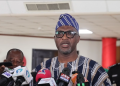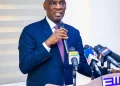



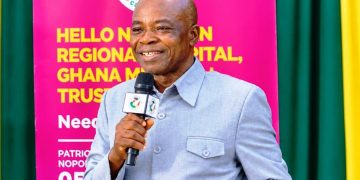




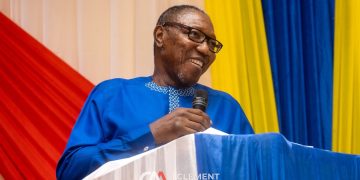























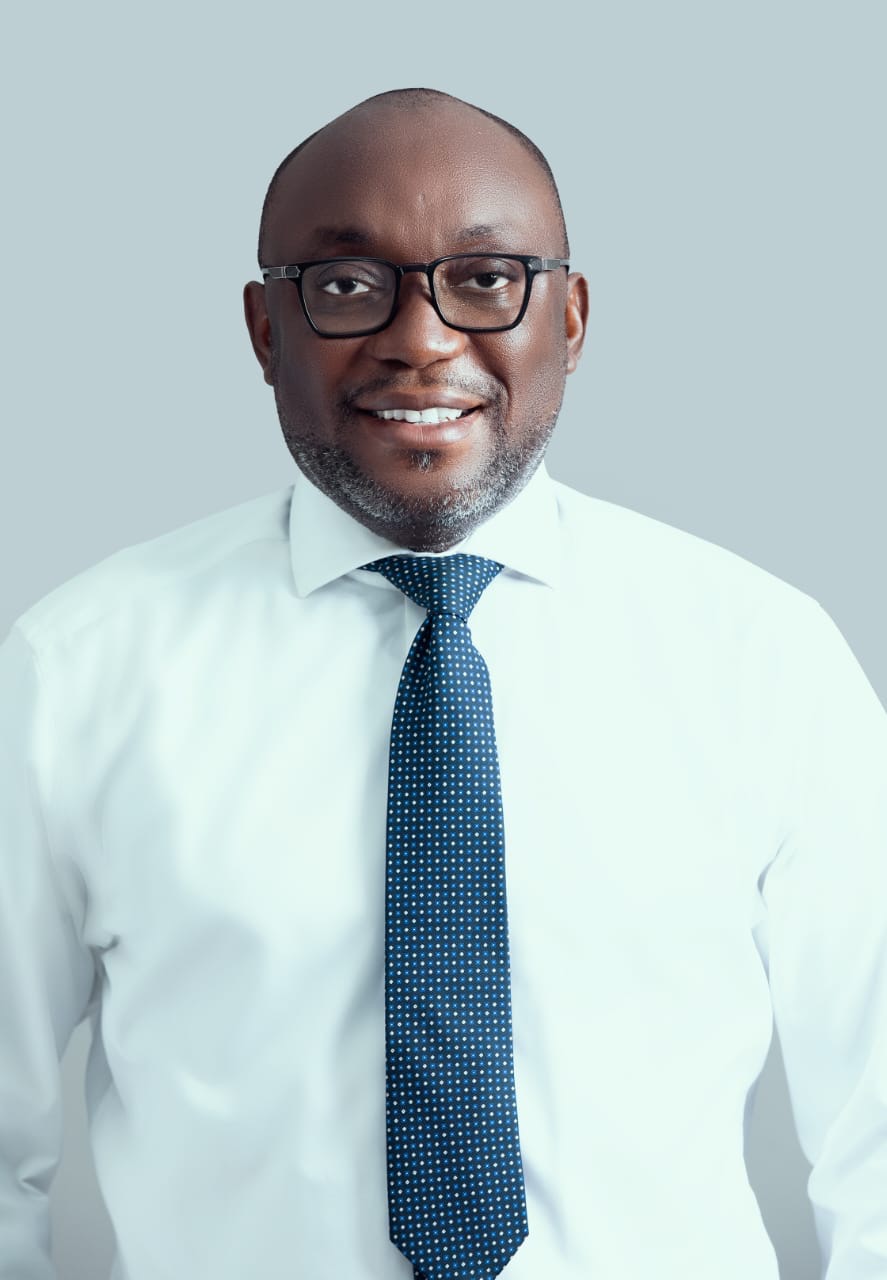
Member of Parliament for Abuakwa South and a member of Parliament’s Health Committee, Dr. Kingsley Agyemang, has raised concerns over Ghana’s preparedness to deal with a possible Ebola outbreak, warning that gaps in the country’s emergency health response system pose what he describes as a national risk.


According to him, although Ghana has made efforts over the years to improve disease surveillance and public health response systems, the country is still not adequately prepared to effectively contain a major Ebola outbreak, particularly outside Accra.
Speaking on the matter, Dr. Agyemang pointed to the uneven distribution of healthcare infrastructure and emergency response systems across the country, stressing that many regions remain vulnerable in the event of a sudden outbreak.
“We are not fully prepared as a country. A lot of the preparedness systems are concentrated in Accra, and if there should be an outbreak in another part of the country, we could face serious challenges responding effectively,” he stated.
His comments come at a time when concerns continue to grow across West Africa over the threat of infectious disease outbreaks and the pressure they place on already stretched healthcare systems.
The Health Committee member stressed that Ghana must treat epidemic preparedness as a matter of national security and urgently strengthen investments in healthcare infrastructure, logistics, disease surveillance and rapid response systems.
He further called for greater decentralisation of emergency healthcare capacity to ensure that regions outside the capital are equally equipped to respond to outbreaks.
According to Dr. Agyemang, lessons from previous public health emergencies, including the COVID-19 pandemic, should guide Ghana’s approach toward future disease threats.
He also emphasized the importance of public education and awareness, noting that citizens must be adequately informed about preventive measures and emergency response protocols during outbreaks.
Dr. Agyemang believes proactive investment in preparedness today would help save lives, reduce pressure on the healthcare system and strengthen the country’s ability to respond effectively to future public health emergencies.