


































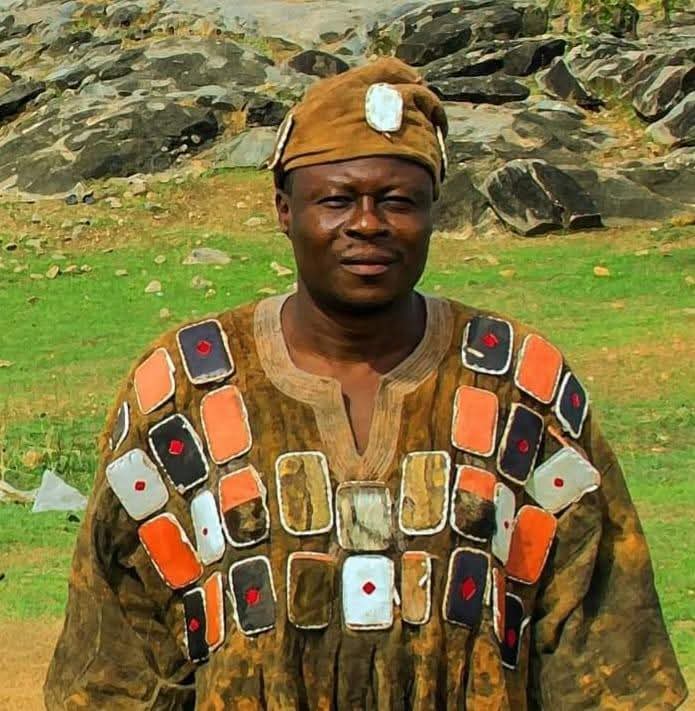
Ghanaian author, journalist, researcher, and cultural advocate Ishmael Junourgh has embarked on a book and cultural engagement tour of The Netherlands, where he is promoting African literature, culture, and indigenous knowledge systems to international audiences.


The tour is expected to bring together authors, publishers, academics, readers, and cultural institutions from across Europe. It also offers Junourgh an opportunity to showcase Ghanaian and African storytelling on a wider global stage.
Speaking to Kumasimail in an interview before his departure on Sunday, Junourgh said the trip would enable him to engage stakeholders in the European book industry while creating new opportunities for African literature.
According to him, African stories deserve greater visibility in global literary spaces, particularly at a time when conversations around identity, decolonization, history, and cultural preservation continue to gain momentum.
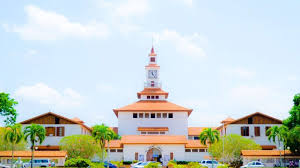
Junourgh is currently a graduate student at the Institute of African Studies (IAS), University of Ghana, Legon. He holds a Bachelor of Arts degree in Communications (Journalism Option) from the African University College of Communications in Accra.
Before pursuing his literary career full-time, he worked as a journalist and editor, experiences he says helped sharpen his research and storytelling skills.
Over the years, he has emerged as one of Ghana’s notable contemporary writers. His work focuses on African history, culture, memory, anthropology, and indigenous knowledge systems. Much of his writing draws inspiration from oral traditions and the lived experiences of communities in Northern Ghana.
Junourgh has three published novels to his credit. They are Not Forsaken: Diaries of an African Child (2019), Ancestors Prologue: Diaries of an African Child (2022), and Ladimeh: Abandoned African Slave (2024).
His first novel, Not Forsaken: Diaries of an African Child, was released in 2019 and quickly attracted readers both within and outside Ghana. The book established him as a writer committed to telling African stories through African voices and perspectives.
In 2022, he followed up with Ancestors Prologue: Diaries of an African Child, a novel that further strengthened his reputation among readers interested in African culture, history, identity, and heritage.
His latest work, Ladimeh: Abandoned African Slave, was published in 2024 and has attracted considerable attention for its exploration of slavery through an African lens.
The novel follows the life of a young boy whose world is shattered when slave raiders attack his village. Separated from his family at an early age, Ladimeh is forced into a life of servitude far away from his ancestral home.
Through the character’s experiences, Junourgh examines themes of displacement, identity, discrimination, belonging, and resilience. The novel explores both the physical and emotional consequences of slavery while challenging readers to view the institution through the lived experiences of those who endured it.
Rather than portraying Africans solely as victims, Ladimeh presents African communities as vibrant societies with their own cultures, traditions, governance systems, and histories before the disruption caused by slavery.
The book also contributes to broader discussions about decolonizing historical narratives and reclaiming African perspectives on important historical events.
For Junourgh, writing is more than a creative exercise.
“I believe African stories must be told by Africans and from African perspectives. Our histories, values, memories, and indigenous knowledge systems deserve preservation. Creative writing gives us an opportunity to challenge inherited narratives and present ourselves to the world in our own voice,” he told KumasiMail.
A strong believer in indigenous storytelling traditions, Junourgh often traces his inspiration to his ancestral roots.
He describes himself as a reincarnation of his griot and griottess ancestors, Kisabla Gyedu Juru Buburwu and Buburwu Diatah, whose storytelling traditions continue to influence his work.
One of his most quoted reflections captures his approach to literature:
“Before my great-grandfather passed on, he gave me two things: a needle, kibasibi, and a thread, jesei. These are symbolic of indigenous storytelling techniques. I use these indigenous storytelling techniques as my needle and thread to knit my stories.”
That philosophy has shaped a literary career dedicated to transforming oral traditions into written works that can reach audiences across continents.
Beyond literature, Junourgh is passionate about indigenous knowledge systems and climate mitigation practices rooted in African traditions. He believes African communities possess valuable knowledge that can contribute to addressing contemporary global challenges.
His growing profile has made him a sought-after participant at literary, academic, and cultural events where he speaks on African identity, oral traditions, decolonization, and cultural preservation.
The Netherlands tour is expected to introduce his books to new audiences while opening doors for collaborations with publishers, scholars, authors, and cultural organizations across Europe.
Ahead of the trip, Junourgh expressed profound gratitude to the Speaker of Parliament, Rt. Hon. Alban Sumana Kingsford Bagbin, for sponsoring the tour.
According to him, the Speaker’s support demonstrates confidence in the power of literature and cultural diplomacy.
“I am deeply grateful to Rt. Hon. Alban Sumana Kingsford Bagbin for his generosity and belief in the power of African storytelling. His support has made it possible for me to engage international audiences, promote Ghanaian literature, and share African stories beyond our borders. This gesture is not only an investment in my work but also an investment in Ghana’s cultural heritage and literary future,” he said.
He added that support for writers, researchers, and cultural ambassadors is critical to preserving Africa’s heritage and promoting Ghana’s image internationally.
With three successful publications, a growing international readership, and an expanding presence on the global literary scene, Ishmael A. Junourgh continues to position himself as an important voice in contemporary African literature.
As he takes his books and message to Europe, the Ghanaian novelist remains committed to a mission that has defined his work from the beginning: telling African stories authentically, preserving indigenous knowledge, and ensuring that African voices continue to be heard around the world.
Source: Kumasimail.com