

































President John Dramani Mahama has warned public officials implicated in financial irregularities identified in Auditor-General’s reports that they will either be required to refund misappropriated state funds or face imprisonment.


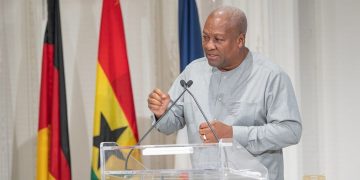
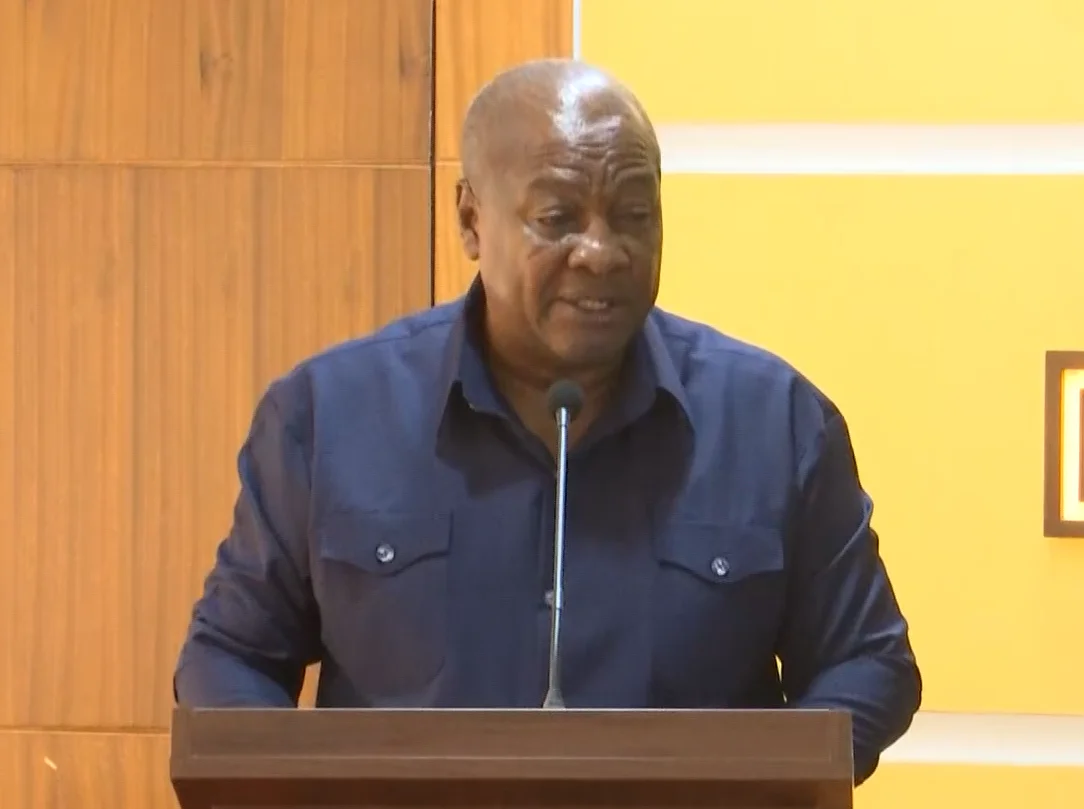
Addressing a town hall meeting with members of the Ghanaian diaspora in the United Kingdom on Sunday, May 31, the President expressed concern over the persistent financial losses recorded in annual audit reports, describing them as a major drain on the country’s resources.
According to him, recurring audit findings point to systemic weaknesses in public financial management and accountability that must be addressed to protect public funds and improve governance.
“Every year, you hear the Auditor-General’s report. Ghana loses GH¢12 billion through misappropriation and other irregularities,” President Mahama said.
He revealed that the judiciary has established specialised audit courts to deal with cases arising from audit findings and ensure that individuals held responsible are sanctioned appropriately.
“The Chief Justice has graciously set up audit courts,” he noted, adding that the move represents a significant step towards enforcing accountability beyond parliamentary scrutiny.
President Mahama said the government intends to strengthen cooperation between the Attorney-General and the Auditor-General to pursue individuals implicated in financial misconduct and recover lost state funds.
“The Attorney-General and the Auditor-General are going to take all the people who have misappropriated funds and put them before those special courts to either refund our money or proceed to Nsawam and go and catch some rest there,” he stated.
The President maintained that holding public officials accountable through the courts would serve as a deterrent against the misuse of state resources and contribute to greater transparency and discipline in public financial management.
His remarks form part of the government’s broader efforts to strengthen accountability institutions and combat financial mismanagement in the public sector.
Source: www.kumasimail.com